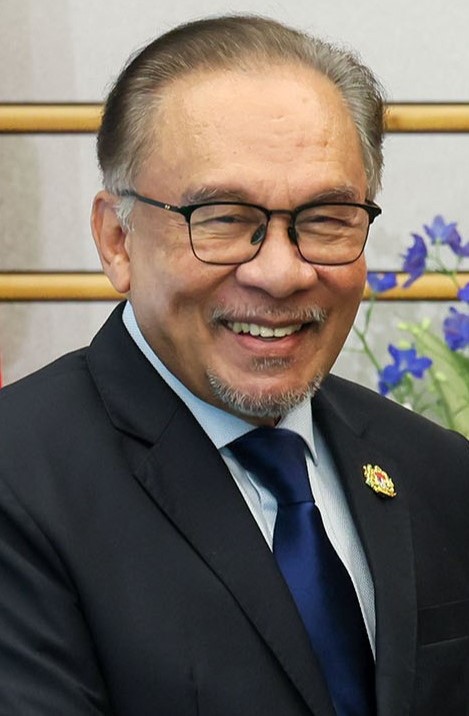
The Greater Manchester mayor received a prominent reception in Westminster on Monday as Prime Minister Keir Starmer formally disclosed his intention to step down from his position, creating a significant vacuum at the apex of British politics and triggering what observers anticipate will be a competitive race to determine Labour's next party leader and prime minister.
Burnham's sudden ascendancy reflects a remarkable political trajectory that has seen him evolve from a contested figure within Labour ranks into what many regard as a natural successor to Starmer. His position as leader of one of England's most economically and socially influential metropolitan areas has afforded him both the operational experience and public profile necessary to mount a credible challenge for the top job. The reception he encountered in parliament underscored the depth of support he has cultivated among Labour MPs and party grassroots.
The timing of Starmer's departure carries particular significance for Southeast Asian and Malaysian observers monitoring UK political developments. Britain's strategic role in regional trade, security architecture, and technology partnerships means that transitions in London's political leadership reverberate across Asia-Pacific capitals. A change in prime minister typically signals potential shifts in foreign policy priorities, trade negotiations, and defence cooperation frameworks that affect regional powers including Malaysia.
Burnham has built his political reputation by championing devolved power and regional investment, positioning himself as an advocate for parts of Britain that feel economically marginalised. This "King of the North" characterisation reflects his consistent messaging about redistributing resources from London to provincial centres. Such an orientation could influence how a Burnham-led government approaches international development, trade relationships, and infrastructure partnerships—areas where Malaysia and other emerging economies have strategic interests.
The Manchester mayor's emphasis on addressing regional inequality and improving public services resonates with contemporary political currents across multiple democracies. His track record managing one of Britain's largest cities during economically constrained periods demonstrates administrative competence that appeals to voters fatigued by political instability. However, questions remain about whether his regional power base and provincial focus provide sufficient grounding for managing the complexity of global relations that a prime ministerial role demands.
Starmer's resignation creates a moment of profound uncertainty for Labour's governing agenda. The party controls parliament with a substantial majority but has encountered significant difficulties translating electoral victory into sustained public confidence. Internal party divisions, policy disagreements on economic management and social issues, and external pressures from both conservative and progressive wings have strained the administration. A leadership transition at this juncture suggests these internal tensions have become acute enough to necessitate change.
Burnham's potential elevation would mark a generational shift in Labour's identity. He represents a politician who built prominence through local governance rather than Westminster parliamentary advancement, offering a counter-narrative to the traditional path of senior party figures. This outsider positioning, paradoxically, may strengthen rather than weaken his appeal to party members and the broader electorate exhausted by insider political maneuvering. His municipal focus provides evidence of sustained engagement with practical governance challenges rather than abstract ideological positioning.
The mechanics of the Labour leadership election will substantially determine the trajectory of the race. The party's selection procedures, voting weightings between MPs, party members, and registered supporters, and the timeline for the contest all influence which candidates emerge as genuine contenders. Early institutional advantages matter considerably in leadership races, and Burnham's Westminster profile combined with his strong regional base positions him advantageously compared to potential rivals.
International implications deserve attention from Malaysian policymakers and regional observers. Britain's foreign secretary, defence secretary, and key overseas development positions will likely rotate as a new prime minister reshapes the cabinet. Trade negotiations with Southeast Asian nations, ongoing security dialogues regarding technology standards and military cooperation, and Britain's participation in regional multilateral forums could all shift emphasis under different leadership. Malaysia's engagement with London across trade, education, and defence partnerships would presumably require recalibration.
Burnham has previously articulated positions on infrastructure investment and economic renewal that emphasise partnership models and collaborative approaches rather than purely free-market mechanisms. Such philosophy could influence Britain's stance on regional development schemes, particularly through institutional frameworks like the Asian Infrastructure Investment Bank where Britain holds membership. His background suggests receptiveness to multilateral institutional engagement rather than unilateral action.
The immediate political challenge for any Labour successor concerns stabilising public confidence and demonstrating that the party can execute its governing mandate effectively. The electorate's patience for leadership disruption appears exhausted, making the transition period critical for rebuilding trust. Burnham's challenge involves moving beyond securing the party leadership to convincing the broader British public that he possesses the strategic vision and managerial competence necessary for sustained government.
For Southeast Asian observers, the unfolding British political transition serves as a reminder that even stable democracies experience periodic governance crises requiring institutional adaptation. The manner in which Labour resolves its succession question will signal the party's resilience and capacity for orderly transition, factors that influence international perceptions of British political stability and reliability as a strategic partner.