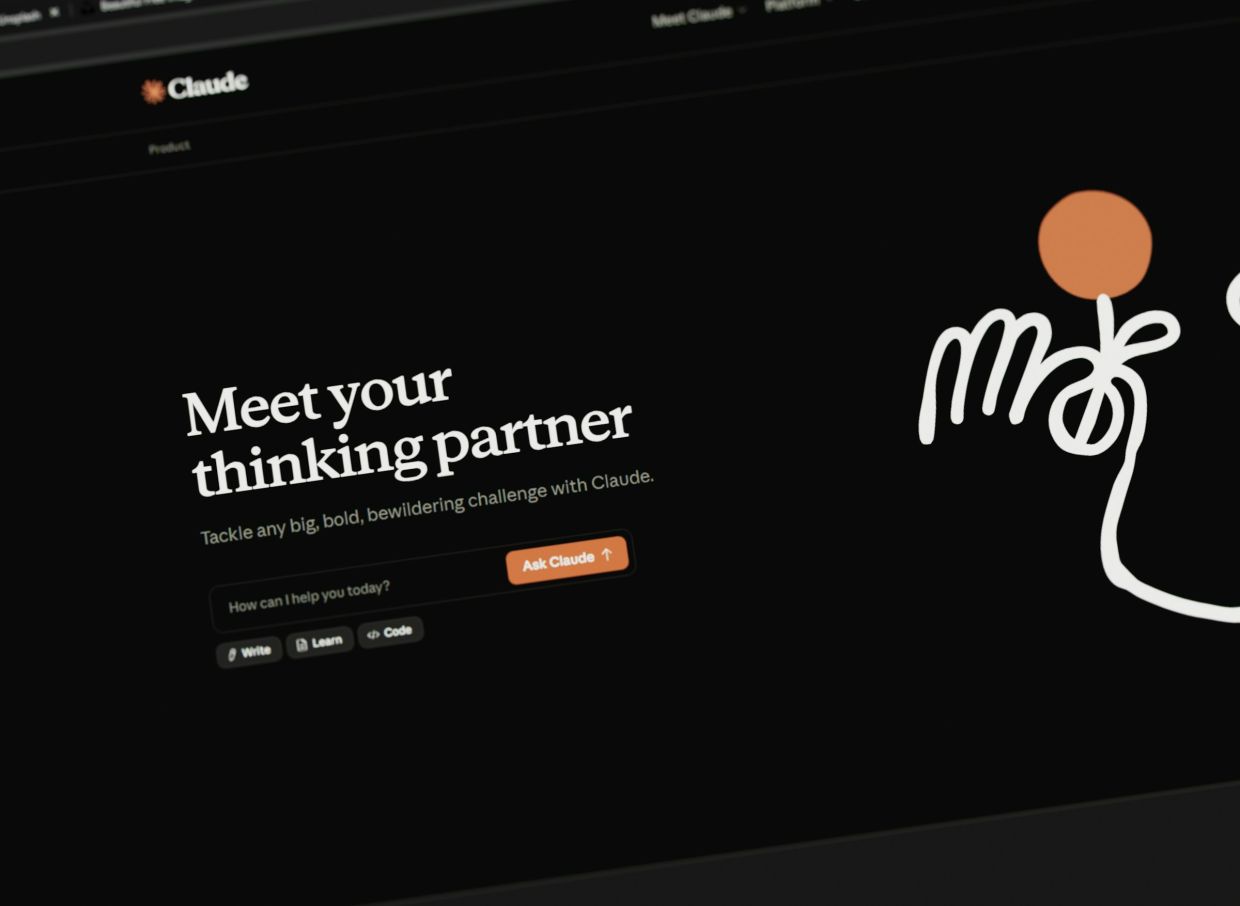
Anthropic PBC is making a decisive move to embed its AI assistant Claude deeper into the workplace by introducing Claude Tag, a sophisticated Slack integration unveiled on June 23. The new feature fundamentally changes how teams can delegate routine communication and task management to an artificial intelligence agent operating within their most-used collaboration platform. Rather than simply responding to direct queries, Claude Tag can now act as an autonomous participant in Slack channels, monitoring discussions and taking initiative on behalf of individual users according to predefined parameters and instructions.
The capabilities of Claude Tag extend across several dimensions of workplace productivity. The system can continuously scan Slack channels for activity relevant to a user's priorities, generating alerts when discussions touch on matters that could affect their day. Beyond passive monitoring, Claude Tag can participate in ongoing conversations by dropping comments at appropriate moments, demonstrating awareness of context and conversation flow. Additionally, the tool can be configured to address technical issues, including the ability to diagnose and fix problems in code repositories when developers request assistance. This combination of surveillance, communication, and technical problem-solving represents a substantial leap from previous generations of workplace AI tools.
The development of Claude Tag reflects a broader strategic orientation at Anthropic and its competitor OpenAI. Over the past year, both companies have invested heavily in extending their AI capabilities beyond chatbot interfaces into specialized tools designed to handle concrete professional responsibilities. These efforts span multiple industries, from financial services where AI can assist with analysis and compliance, to healthcare where it can support diagnostic and administrative functions. The underlying motivation is transparent: by demonstrating that AI can deliver measurable productivity gains across diverse business sectors, these companies hope to justify their extraordinary valuations and secure the corporate customers necessary to sustain those valuations. Anthropic's current valuation of US$965 billion, equivalent to approximately RM4 trillion, positions the company as one of the world's most valuable privately held enterprises, and the organization has signaled its intention to pursue an initial public offering, a transition that will require demonstrating sustained revenue growth and market adoption.
Implementing Claude Tag's more advanced capabilities requires users to grant the AI system access to additional data sources and organizational services. Anthropic's product strategy emphasizes integration with calendars, email systems, and other enterprise tools that provide the contextual information Claude needs to make intelligent decisions about when and how to intervene. Cat Wu, serving as Anthropic's head of product for Claude Code and Cowork, emphasized the transformative impact of these integrations by revealing that approximately 65 percent of the code created by Anthropic's own product team now originates from an internal version of Claude Tag. This statistic carries particular significance because it demonstrates not merely marketing confidence but actual reliance on the technology within the company that developed it.
Wu described the integration's impact on Anthropic's internal workflows with notable enthusiasm, characterizing it as a fundamental shift in how the organization accomplishes work. This testimony from a senior product leader carries weight beyond typical corporate endorsements, as it suggests the company has moved beyond experimental usage into genuine operational dependence on the technology. The fact that such a substantial proportion of code generation now flows through Claude Tag indicates that Anthropic has resolved the security, reliability, and quality concerns that typically accompany the introduction of AI into mission-critical processes. For Malaysian and Southeast Asian technology leaders evaluating similar implementations, this internal usage represents perhaps the most credible evidence of the technology's maturity and readiness for enterprise deployment.
The timing of Claude Tag's introduction carries complications due to recent regulatory developments affecting the AI industry. Less than two weeks before the public launch, Anthropic had been forced to restrict access to its most powerful models, Fable 5 and Mythos 5, in response to an executive order from the Trump administration aimed at preventing advanced AI technology from being transferred to or used by foreign nationals. This geopolitical constraint created a technical dilemma: Wu indicated that Fable 5 was originally intended as the primary model powering Claude Tag, as it significantly outperforms the alternative Opus 4.8 model released in May at capabilities most relevant to the product's core functions, including code analysis and the autonomous judgment required to determine when to initiate participation in conversations without explicit user direction.
The restriction on Fable 5 access means that Claude Tag, at least in its initial public release, operates at reduced capability compared to the company's original vision. Opus 4.8 remains a sophisticated model fully capable of handling most workplace tasks, but the gap between it and Fable 5 appears meaningful for the specific use cases Claude Tag targets. This situation illustrates how geopolitical tensions are beginning to shape the practical capabilities of AI tools available to international enterprises. For organizations in Malaysia and throughout Southeast Asia, this episode underscores the reality that access to cutting-edge AI models may become subject to regulatory constraints beyond the control of either vendors or customers, potentially affecting the competitive advantages that advanced AI implementation might otherwise provide.
Anthropoc's previous Slack integration already provided basic access to Claude within the messaging platform, though in a significantly more limited form than Claude Tag now offers. The predecessor system essentially functioned as another chat interface, allowing users to query Claude about specific topics but lacking the autonomous agency and situational awareness that Claude Tag introduces. The transition from Claude Tag as an optional new product to Claude Tag as the replacement for the existing Slack application indicates Anthropic's confidence that organizations will embrace the more ambitious vision of AI workplace integration. The rollout strategy targets enterprise and team subscription users first, providing a gradual adoption path that allows organizations to establish governance frameworks and user training before broader deployment to their entire workforces.
For Malaysian enterprises considering AI integration into their operations, Claude Tag represents both opportunity and caution. The opportunity lies in genuine productivity enhancement through AI handling of routine monitoring, alert generation, and technical assistance. The caution stems from allowing autonomous AI systems to participate in organizational communication channels and access sensitive data sources like email and calendars. Organizations will need to carefully consider questions about transparency—ensuring team members understand when Claude is participating in discussions—and about data governance, particularly regarding the information Claude can access and retain. These considerations become especially important in regulated industries and in contexts where employee privacy expectations may differ from those prevailing in Silicon Valley.