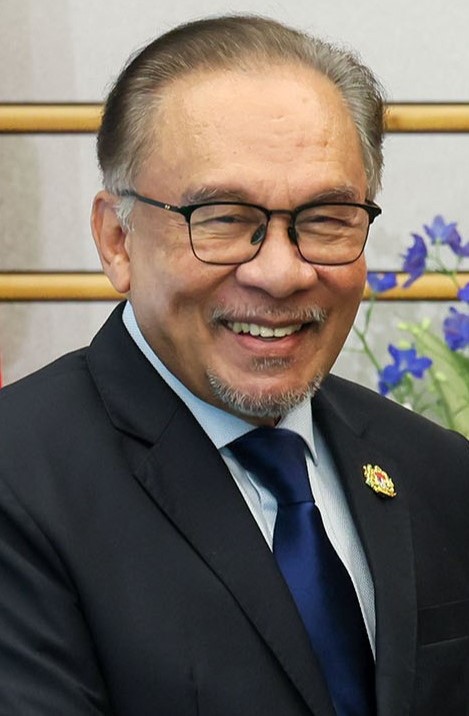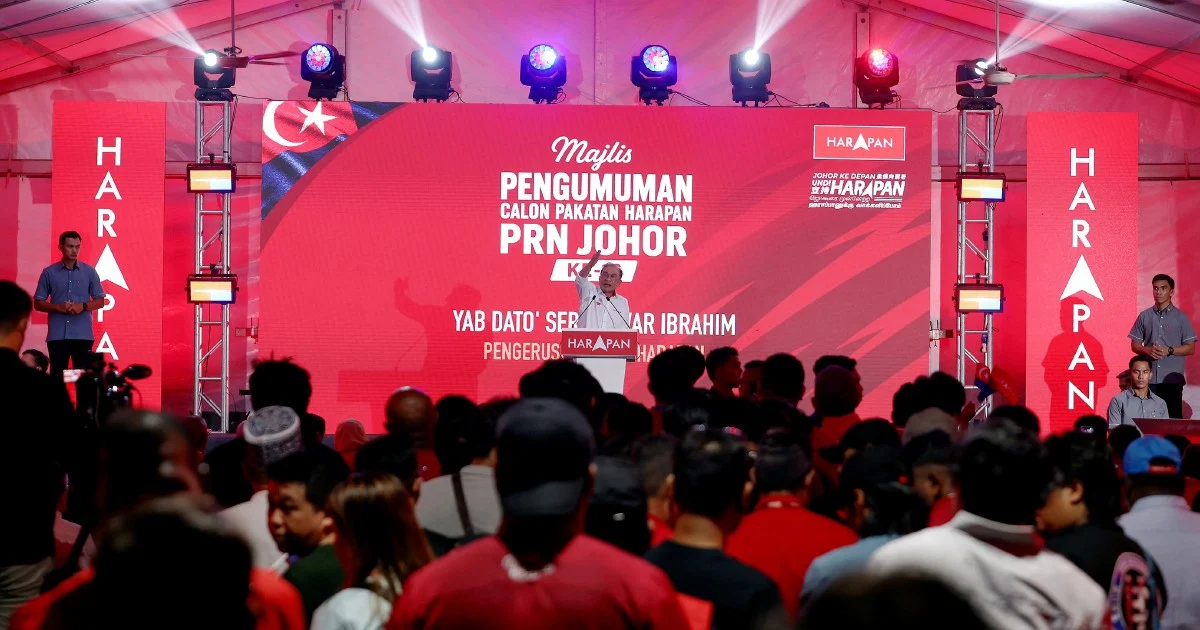
Prime Minister Datuk Seri Anwar Ibrahim, addressing supporters in Tangkak, has emphasised that the upcoming Johor state election should unfold as a conventional political competition between parties rather than becoming entangled with royal institutions. His remarks underscore broader concerns within Pakatan Harapan about maintaining clean boundaries between constitutional monarchy and electoral democracy in Malaysia's most developed southern state.
The distinction Anwar drew reflects a careful navigation of Malaysia's constitutional arrangements, where the sultans hold formal roles that must be respected whilst democratic processes should operate independently. Johor, as a state with a reigning Sultan, presents particular sensitivities around these boundaries. By publicly articulating this position, the PM was signalling that the machinery of government should not leverage royal prestige or institutions as tools in campaign strategy.
This statement arrives amid broader national conversations about strengthening institutional integrity and democratic norms in Malaysia. The Johor election carries symbolic weight beyond its immediate electoral stakes—it will test whether the country has genuinely embedded lessons about keeping constitutional roles separate from partisan advantage. International observers monitoring Southeast Asian democracies often scrutinise such elections as indicators of institutional health.
For Pakatan Harapan, the position carries strategic implications. The coalition has positioned itself as a reformist force committed to democratic renewal since returning to power in 2022. By publicly committing to keeping royal institutions distinct from campaigning, Anwar reinforces this narrative whilst also setting a standard he expects opposition parties to follow. This creates a measurable benchmark against which the conduct of all sides can be evaluated.
The Johor electorate itself brings particular considerations. As Malaysia's second-largest state economy and home to significant urban, suburban and rural populations, the state wields considerable influence over national political trajectories. Its voters span diverse demographics with varying expectations about how elections should be conducted. Many citizens expect campaigns to focus on policies, development projects, and parties' track records rather than appeals centred on loyalty to state institutions.
Anwar's framing also acknowledges practical realities about how elections can drift into problematic territory if not carefully managed. Without explicit public statements setting expectations, campaign dynamics can gradually shift, with candidates invoking royal support or attempting to position themselves as more aligned with traditional institutions. Once such patterns begin, reversing them becomes politically difficult. Preventive clarity thus serves democratic integrity.
The separation of roles that Anwar advocated reflects principles embedded in Malaysia's Federal Constitution, which designates sultans with ceremonial and constitutional duties whilst reserving electoral and policy powers for elected representatives. Johor's particular position as a state with constitutional status adds layers of complexity; unlike federal territories where the Yang di-Pertuan Agong's role is largely ceremonial, state sultans maintain more extensive formal responsibilities.
Within Southeast Asia, Malaysia's approach to monarchy and democracy represents a distinctive model that other nations monitor. Thailand's struggles with balancing institutional respect and electoral freedom, and Cambodia's complex royal-political relationship, provide cautionary counterpoints. Malaysia's ability to maintain this distinction strengthens the region's overall democratic credentials and provides alternatives to models where such separation has broken down.
For the various stakeholders in Johor politics—Barisan Nasional, Perikatan Nasional, and Pakatan Harapan components—Anwar's public position essentially establishes a standard they should follow if they wish to maintain political legitimacy beyond the immediate campaign. Violations would invite criticism not just from opponents but from observers concerned about democratic norms. This creates pressure for responsible conduct across the political spectrum.
The practical implications extend beyond rhetoric. Campaign financing, use of state apparatus, control of media narratives, and deployment of grassroots machinery all operate within these conceptual frameworks. When leaders commit publicly to keeping elections separate from royal institutions, they create accountability mechanisms that civil society observers and media can utilise to flag concerning developments.
Looking forward, the Johor election will provide evidence about whether Malaysia's political establishment has genuinely internalised commitments to democratic separation of powers. The state's voters will assess not merely policy platforms but the manner in which campaigns are conducted. A campaign that respects these boundaries sets positive precedent for other state elections anticipated in coming years.
Anwar's intervention ultimately reflects a broader challenge confronting many democracies: maintaining robust electoral competition whilst preserving respect for constitutional institutions. His explicit articulation of this balance suggests Pakatan Harapan recognises that simply assuming such boundaries exist proves insufficient. Deliberate reaffirmation of these principles, especially from the highest levels of government, strengthens democratic culture and helps establish norms that future administrations may follow.