Prime Minister Datuk Seri Anwar Ibrahim has offered his congratulations to Ethiopian Prime Minister Abiy Ahmed Ali and the Prosperity Party following their success in Ethiopia's general election held in June. The Malaysian leader expressed his good wishes through a Facebook post, signalling the importance Kuala Lumpur places on maintaining strong ties with one of Africa's most significant nations and emerging economies.
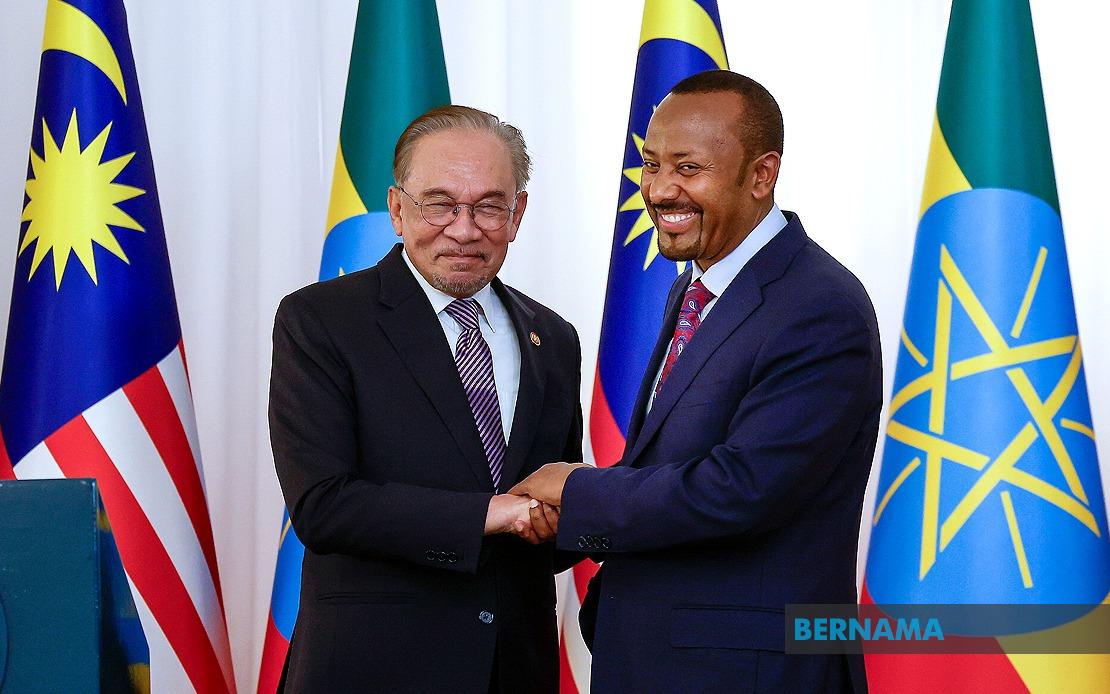
Anwar's message drew upon personal experience and diplomatic familiarity with the Ethiopian leader. In his post, the Prime Minister reminisced about his visit to Addis Ababa the previous year, which marked a historic occasion as the first official visit by a sitting Malaysian prime minister to Ethiopia. This journey underscored Malaysia's deliberate pivot towards deepening engagement across the African continent and recognising its diverse leadership and political movements.
The Malaysian premier characterised his interactions with Abiy during that visit in notably warm terms, emphasising the quality of discourse that transpired between the two leaders. Rather than merely exchanging diplomatic pleasantries, Anwar pointed to substantive commonalities in how he and the Ethiopian PM perceive global developments and international relations. This shared worldview suggests potential for collaboration beyond ceremonial protocols and suggests genuine alignment on strategic matters affecting their respective regions.
Central to Anwar's assessment was the notion that nations of the Global South possess significant untapped potential through mutual cooperation conducted on an equitable footing. This framing reflects Malaysia's broader foreign policy positioning under the current administration, which has emphasised South-South solidarity and the need for developing nations to assert greater agency in international affairs rather than remaining passive recipients of decisions made elsewhere. By characterising Ethiopia's victory and potential continued leadership as beneficial to this vision, Anwar positioned the election outcome as meaningful beyond Ethiopia's borders.
Announced through social media rather than formal diplomatic channels, the congratulations carried an informality that nonetheless conveyed genuine engagement. Anwar's decision to address the matter publicly and personally, rather than delegating it to a government spokesman, indicated that Ethiopia occupies a meaningful place in Malaysia's strategic calculations. For a nation seeking to raise its profile in African affairs and expand its diplomatic footprint, such high-level attention to electoral outcomes serves multiple purposes—recognising partners, signalling interest in African stability, and demonstrating Malaysia's growing comfort in engaging across continental divides.
The Ethiopian election itself had carried significant weight for the Horn of Africa region. The Prosperity Party's victory reinforced Abiy's mandate following his ascent to power and earlier electoral performance. For Malaysia, the continuity of leadership under a prime minister with whom Anwar has established personal rapport holds potential advantages for advancing bilateral agendas and regional Malaysian initiatives across the continent.
Anwar's reference to Ethiopia as an important partner in Malaysia's broader African engagement strategy reflects a calculated geographical and political choice. Ethiopia's position as home to the African Union headquarters, its significant population and economic weight, and its pivotal role in regional geopolitics make it an invaluable partner for any nation seeking meaningful African involvement. By positioning bilateral relations within this institutional and strategic context, Anwar signalled that Malaysian engagement with Ethiopia transcends bilateral niceties and touches upon Malaysia's aspirations to play a constructive role in continental affairs.
The Prime Minister also alluded to unfinished business and forward momentum, noting that substantive matters had been set in motion during his previous visit. This language suggested that concrete initiatives—whether in trade, cultural exchange, development cooperation, or political coordination—had been identified for pursuit. Such specificity implied that the relationship was not merely symbolic but had operational content that both parties intended to develop. The commitment to carrying matters forward together, as Anwar phrased it, indicated mutual investment in the relationship's trajectory.
For Malaysian observers, this diplomatic gesture reflects how the current administration has approached foreign policy with greater assertiveness and visibility compared to previous eras. Rather than maintaining a lower profile in African affairs, Malaysia has begun articulating a clearer vision of its role and interests on the continent. This includes not merely responding to African initiatives but proactively engaging with significant African leaders and electoral processes, thereby claiming a seat at tables traditionally dominated by Western powers, China, and India.
The congratulatory message also arrives amid broader geopolitical shifts affecting African politics and international relations. Competition for influence and partnership in Africa has intensified, with multiple powers seeking to deepen their presence. Malaysia's deliberate cultivation of relationships with leaders such as Abiy represents an attempt to establish genuine partnerships that go beyond transactional interests, potentially differentiating Malaysian engagement from approaches characterised as extractive or hegemonic.
Looking ahead, the continuity provided by the Prosperity Party's election victory offers Malaysia a stable and familiar partner in advancing shared objectives. Whether through multilateral forums like the Non-Aligned Movement, where both nations have historical significance, or through bilateral channels, the election outcome potentially facilitates Malaysian objectives. This includes seeking African support on matters of concern to Malaysia, whether at the United Nations or other international bodies, while simultaneously offering Malaysian perspective and collaboration on African challenges.