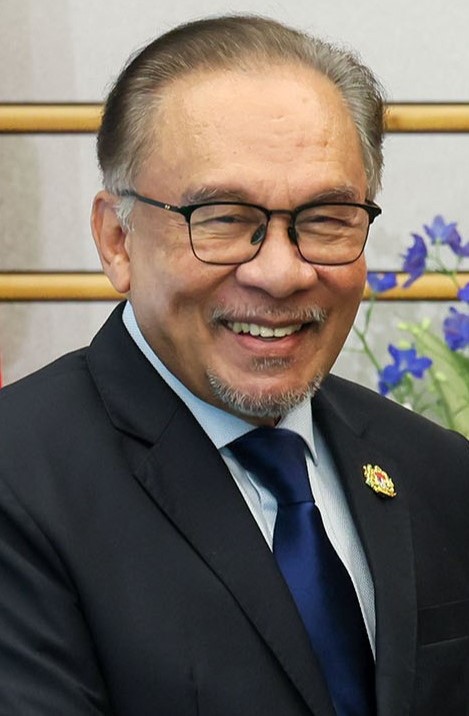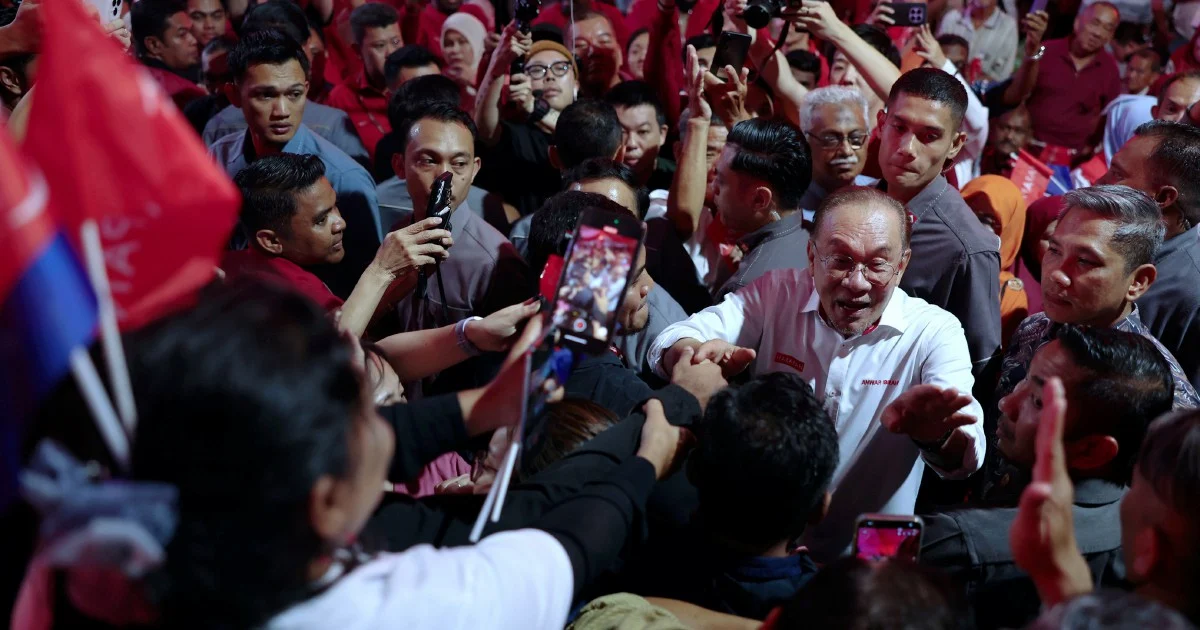
Pakatan Harapan (PH) has formally presented its complete roster of 56 candidates for the upcoming Johor state election scheduled for July 11, with coalition chairman Datuk Seri Anwar Ibrahim leading the announcement in Tangkak. The move represents a critical juncture for the opposition alliance, which is intensifying efforts to reclaim political ground in a state where the ruling Barisan Nasional has long maintained dominance. The revelation of the full candidate slate marks the final preparations phase before voters head to the polls, with PH positioning itself as a competitive force in a contest that will influence the broader political trajectory across the peninsula.
The timing of PH's candidate announcement underscores the coalition's determination to mount a substantive challenge to incumbent state leadership. Johor, as Malaysia's southernmost peninsula state, carries substantial symbolic and practical significance in national politics, and electoral outcomes there have historically reverberated through broader coalitional calculations at federal level. By unveiling all 56 candidates simultaneously rather than in stages, PH sought to project organizational coherence and demonstrate adequate preparation across the state's parliamentary and state assembly constituencies. This comprehensive presentation strategy signals confidence in the coalition's electoral machinery and candidate quality ahead of what promises to be a closely contested race.
The Johor election takes place within a broader context of shifting political alignments in Malaysia following federal-level realignments over recent years. The state has experienced periods of opposition strength, particularly during the 2018 wave of electoral change that initially benefited PH nationally, though subsequent developments have altered political fortunes. For the current election, PH faces the challenge of mobilizing voter support across diverse constituencies while managing internal coalition dynamics involving multiple component parties with distinct bases and policy priorities. The candidate selection process itself reflects careful negotiations among these coalition partners, with seat allocations requiring delicate balancing to maintain unity while respecting each party's electoral interests and organizational strengths.
Anwar Ibrahim's personal involvement in the candidate announcement emphasizes the strategic importance PH attaches to this election. As coalition chairman and prime minister, his presence at the Tangkak event signals that federal leadership regards the Johor contest as consequential for government stability and political momentum. His direct engagement also provides an opportunity to articulate PH's policy platform and electoral vision to Johor voters, connecting state-level concerns with broader national governance priorities. The announcement venue and format are calculated political theater, designed to generate media attention and reinforce messaging about coalition readiness and leadership quality among presented candidates.
The 56-candidate slate encompasses individuals representing diverse professional backgrounds, geographical constituencies, and demographic profiles. PH's candidate selection process typically balances factors including incumbent performance, local organizational strength, community representation, and gender considerations, reflecting the coalition's stated commitment to more inclusive political participation. The composition of this candidate list therefore provides insights into PH's assessment of competitive battlegrounds, strategic priorities, and vision for state representation. Johor's constituencies range from urban centers with diverse populations to rural areas with distinct socioeconomic characteristics, requiring candidates with contextually appropriate appeal and understanding of localized issues affecting different voter communities.
The opposition coalition faces particular challenges in Johor given the state's traditionally strong support for ruling-party candidates and the organizational advantages incumbency provides. Barisan Nasional's deep-rooted institutional presence, established networks of local patronage, and substantial financial resources create formidable obstacles for opposition candidates seeking to dislodge sitting representatives. However, PH's 2018 federal victory demonstrated the coalition's capacity to overcome seemingly entrenched political arrangements when national sentiment shifts decisively, and electoral momentum from favorable circumstances elsewhere in Malaysia could potentially extend to Johor polling. The coalition's 56 candidates will thus be testing the durability of voter preferences and assessing whether recent political developments have fundamentally altered the state's electoral arithmetic.
Candidate quality and perceived credibility significantly influence electoral outcomes in Malaysia, where voters increasingly scrutinize individual representatives' records, competence, and commitment to constituency service. PH's announcement therefore invites scrutiny of the coalition's selections, with media outlets and political observers evaluating whether presented candidates possess adequate experience, professional standing, and community connection to convincingly challenge established rivals. The public reception of this slate, reflected in immediate media commentary and social media responses, provides early indicators of campaign momentum and voter receptiveness to PH's electoral proposition. Strong reactions to particular candidates or overall lineup composition can shape narrative frameworks through which voters subsequently evaluate coalition offerings throughout the campaign period.
The Johor election occurs within Malaysia's complex federal system, where state-level contests maintain autonomous significance while remaining influenced by national political currents. Electoral outcomes will affect not only state governance but also potentially impact calculations regarding federal coalition stability, ministerial positioning, and resource allocation decisions affecting state development. For PH component parties, particularly those with significant Johor memberships, the election provides crucial opportunities to demonstrate organizational vitality and electoral competence to respective grassroots and federal leadership. Strong performances strengthen party leaders' bargaining positions within coalition councils and influence resource distributions for campaign activities elsewhere.
The campaign period following candidate announcement will determine whether PH's slate successfully translates into electoral gains or whether Barisan Nasional's traditional advantages prevail in retaining state control. Voter engagement levels, campaign effectiveness, external political developments, and candidate-level performance across individual constituencies will collectively determine polling day outcomes. For Malaysian observers and Southeast Asian political analysts, the Johor election represents a meaningful data point regarding regional electoral patterns and opposition movements' capacity to sustain political challenges against entrenched incumbents in competitive democratic contests.