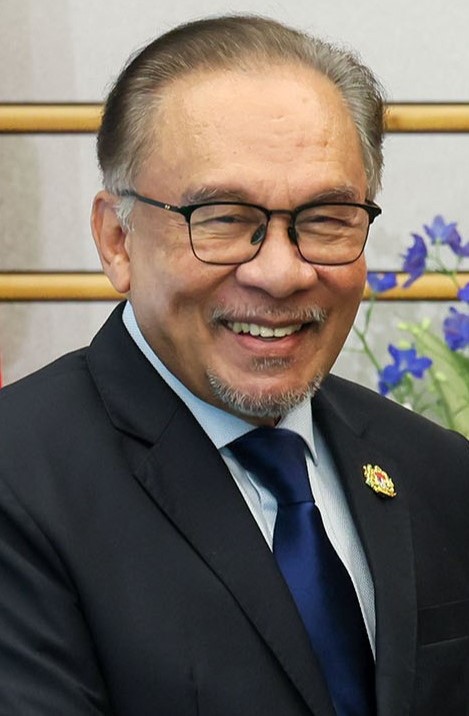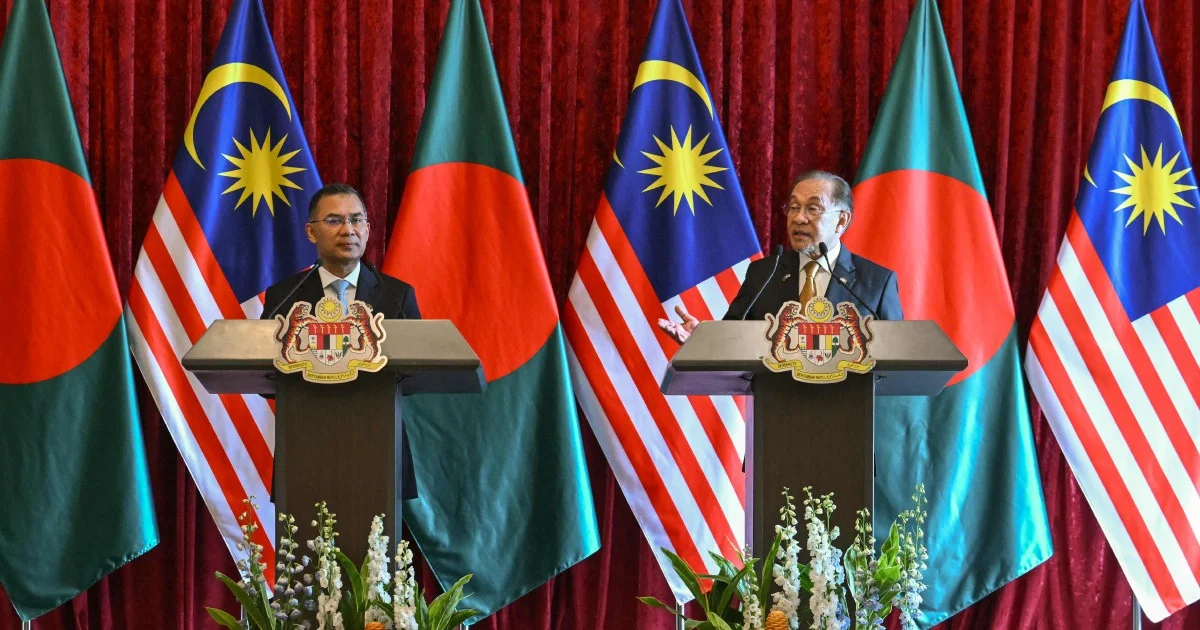
Prime Minister Datuk Seri Anwar Ibrahim has declared his government's determination to eradicate the systematic abuse of Bangladeshi migrant workers, framing their contributions as fundamental to Malaysia's continued economic vitality. The commitment reflects growing international and domestic pressure to address persistent workplace exploitation across multiple sectors of the Malaysian economy, from construction and manufacturing to domestic service and agriculture.
Anwar's forthright statement addresses a longstanding challenge that has drawn criticism from international labour rights organizations and Bangladesh's government alike. The mistreatment of Bangladeshi nationals working in Malaysia has become a sensitive diplomatic and humanitarian issue, with documented cases of wage theft, unsafe working conditions, and restrictions on workers' freedoms making headlines in recent years. By positioning worker protection as an economic necessity rather than merely a moral obligation, the Prime Minister signals a pragmatic approach to a problem that threatens both Malaysia's international reputation and its access to foreign labour.
Bangladeshi migrants comprise one of the largest foreign workforce communities in Malaysia, with hundreds of thousands employed across key sectors. These workers have become indispensable to Malaysia's infrastructure development, industrial production, and service economy, often filling roles that domestic labour markets cannot sustain. Their economic contribution extends beyond direct productivity to encompassing remittances sent home, which support millions of families in Bangladesh and represent significant foreign exchange flows into that nation. The scale of this labour dependency means that disruptions to worker access or cross-border relations could have measurable impacts on Malaysian economic output.
The Prime Minister's pledge suggests forthcoming policy measures and enforcement mechanisms aimed at strengthening protections currently available under Malaysian labour law. Existing legislation including the Employment Act and the Occupational Safety and Health Act theoretically extends to migrant workers, yet enforcement remains inconsistent and complaints often go unaddressed. Anwar's pronouncement appears to signal a shift toward more rigorous implementation, potentially including enhanced workplace inspections, stricter penalties for violations, and improved complaint mechanisms accessible to non-citizen workers who often fear deportation or employer retaliation.
Diplomacy between Malaysia and Bangladesh on this issue has grown more assertive in recent years. Bangladesh has consistently raised concerns about its nationals' treatment, and periodic diplomatic tensions have accompanied high-profile cases of abuse or deaths among Bangladeshi workers. The Bangladesh government has periodically restricted or threatened to restrict labour migration to Malaysia as leverage for improvements, creating economic and political pressure on Malaysian employers and policymakers. Anwar's public commitment may serve to ease such tensions and provide Bangladesh's government with tangible evidence of Malaysian resolve on the matter.
Industry stakeholders have expressed concerns about the potential economic impact of stricter worker protections, particularly regarding compliance costs and administrative burdens. However, many employers recognize that sustained access to Bangladeshi labour—and avoiding international sanctions or reputational damage—depends on demonstrable improvements in working conditions. Some Malaysian business groups have begun implementing voluntary standards and certification programmes aimed at ethical labour practices, viewing these as long-term investments in workforce stability and supply chain resilience.
The intersection of economic necessity and human rights protection presents Malaysia with a distinctive challenge. Unlike some neighbouring nations with equivalent migrant populations, Malaysia has committed to a more formal integration of workers into regulated frameworks rather than informal arrangements. This institutional approach provides potential leverage for enforcement but requires genuine political will and resource allocation to succeed. Anwar's declaration must translate into budgetary commitments, training for labour inspectors, and mechanisms for workers to report violations without jeopardizing their legal status.
Regional labour mobility patterns are shifting as Southeast Asian nations increasingly compete for foreign workers while facing international scrutiny over worker protections. Thailand, Singapore, and Indonesia have each undertaken reforms in recent years, creating competitive pressure on Malaysia to demonstrate its commitment to standards. International supply chain transparency and corporate social responsibility initiatives have further elevated expectations, with multinational corporations increasingly unwilling to source from suppliers with poor labour practices. Malaysian manufacturers and construction firms serving global markets face direct incentives to improve practices.
The implementation of Anwar's commitment will be closely monitored by international labour organizations, the United Nations agencies, and Bangladesh's government and civil society groups. Measurable indicators such as reduction in filed complaints, improvement in wage payment timeliness, enhanced workplace safety records, and decreased worker mortality rates will offer concrete evidence of progress. Conversely, continued incidents of exploitation would undermine the government's credibility and invite renewed international criticism.
Looking forward, the success of worker protection initiatives depends on complementary reforms addressing structural vulnerabilities. These include strengthening workers' legal standing to pursue grievances, improving access to legal counsel, establishing independent complaint mechanisms, and enhancing coordination between Malaysian authorities and Bangladesh's embassy and labour attaché offices. Training programmes for migrant workers on their rights and available resources could similarly reduce exploitation by increasing worker awareness and reporting.
Anwar's statement positions worker protection as compatible with—indeed, essential to—Malaysia's economic interests, a framing that may facilitate policy changes that strict humanitarian appeals alone have not achieved. By articulating that Bangladeshi workers' dignity and fair treatment are preconditions for reliable labour supply, the Prime Minister creates a rationale for investment in enforcement and institutional reform. Whether this rhetorical commitment translates into sustained action will significantly influence both the lived experiences of hundreds of thousands of workers and Malaysia's standing within the international community.