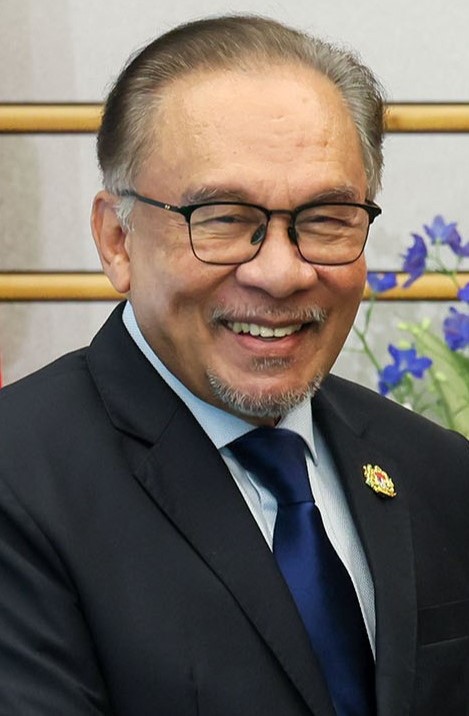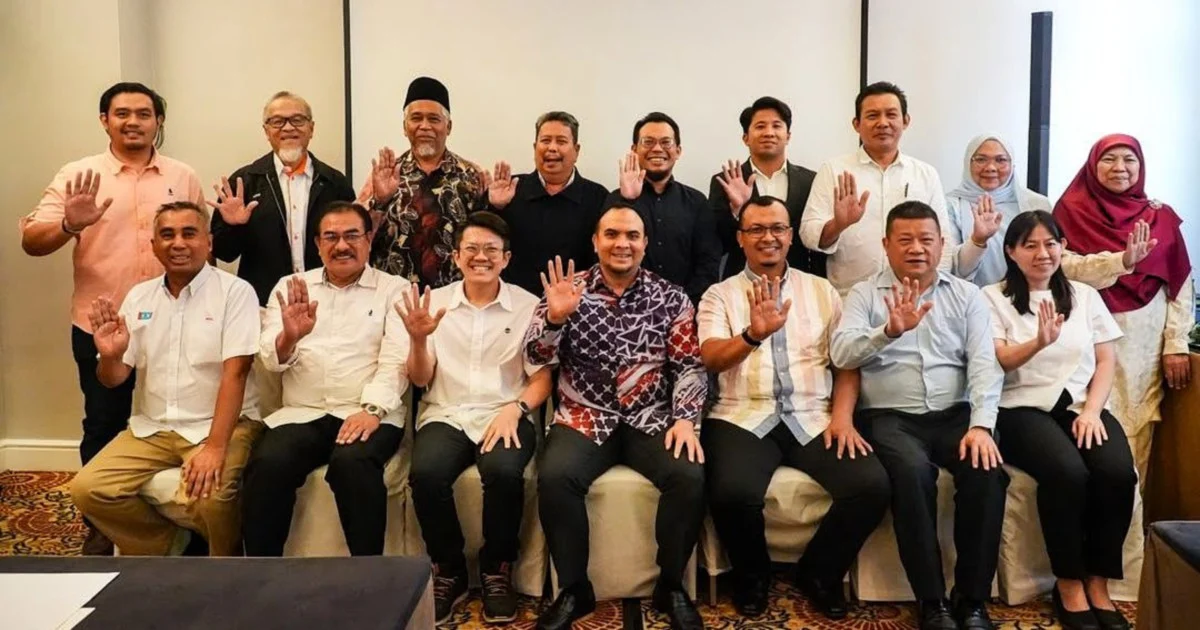
Prime Minister Datuk Seri Anwar Ibrahim's political secretary, Datuk Ahmad Farhan Fauzi, has taken the helm as chairman of Pakatan Harapan in Pahang, marking a significant personnel change within the coalition's East Coast operations. The appointment represents an effort to strengthen the ruling coalition's presence in a state that has traditionally proven challenging for its political ambitions.
Fauzi's elevation from his role in the Prime Minister's office signals the administration's intention to consolidate power structures at the state level by deploying trusted figures closer to the centre of government. His background working directly under Anwar suggests that the appointment carries the weight of the federal leadership's priorities and could indicate incoming operational changes within Pahang's PH machinery.
Pahang remains strategically important for Malaysia's federal government, serving as one of the nation's largest states by area and a significant population centre along the East Coast corridor. The state's political complexion has shifted considerably over recent years, and maintaining coherent coalition governance at the state level requires careful navigation of diverse stakeholder interests and competing party dynamics within the Pakatan Harapan framework.
The appointment of Fauzi reflects a broader pattern across Malaysia's political landscape where federal governments have sought to embed their representatives within regional party structures, ensuring alignment between national objectives and state-level implementation. This approach allows for more direct communication channels and faster decision-making processes, though it can occasionally create friction with locally entrenched political figures who may view such appointments as external impositions.
Pakatan Harapan's performance in Pahang has been uneven since the coalition's reformation. While the coalition holds significant representation in parliament and state assemblies, consolidating this advantage requires effective ground-level coordination and the capacity to respond swiftly to local political developments. Fauzi's appointment may therefore address perceived organisational gaps or communication bottlenecks that have hampered the coalition's efforts to maintain momentum in the state.
The timing of this leadership change arrives as Malaysian politics enters a period of intensifying competition between regional and federal power centres. State governments controlled by different coalitions or competing factions within the same coalition frequently create complications for national governance initiatives. By positioning a trusted aide in Pahang's PH leadership, the Prime Minister's office may be attempting to preempt such fragmentation and ensure that state-level decisions align with federal strategy.
Fauzi's previous role in Anwar's office indicates he possesses the trust and confidence of the highest levels of government, a prerequisite for managing the often-delicate balance between party loyalty and governmental responsibilities. His appointment also suggests that his background, experience, and networks have been deemed sufficient to navigate the complex landscape of Pahang politics, which encompasses numerous demographic communities, competing economic interests, and established political networks that require sophisticated management.
For Pakatan Harapan writ large, Fauzi's appointment represents an opportunity to refresh its East Coast presence and demonstrate renewed commitment to the region. The coalition's performance in less urbanised areas has occasionally lagged behind its urban strongholds, and deploying capable leadership from the federal level may help address organisational and messaging challenges that have restricted growth in certain constituencies.
The broader context of this appointment includes ongoing efforts across Malaysian political parties to restructure and strengthen their state-level operations as the next general election cycle approaches. All major coalitions recognise that state governments serve as crucial platforms for political legitimacy and resource distribution, making the quality of state leadership appointments a matter of considerable importance for long-term political viability.
Fauzi's new responsibilities will include coordinating between Pahang's various PH component parties—including PKR, DAP, and Amanah—ensuring that their divergent interests remain sufficiently aligned for effective governance. This coordination role often proves more challenging than it initially appears, particularly in states where component parties maintain strong local identities and historical bases of support that may conflict with coalition-wide directives.
The appointment will likely be followed by increased scrutiny from political opposition parties seeking to identify vulnerabilities or inconsistencies in the coalition's Pahang operations. The state has proven to be an important battleground in recent electoral cycles, and changes to its political leadership invariably attract attention from competing political actors seeking to capitalise on any organisational disruptions or perceived weaknesses that may emerge during leadership transitions.
Moving forward, observers should monitor whether this appointment results in demonstrable changes to Pakatan Harapan's strategic priorities in Pahang, including shifts in campaign messaging, resource allocation, or engagement with key constituencies. The success of Fauzi's tenure will ultimately be measured not merely by his ability to maintain internal coalition cohesion, but by the coalition's capacity to expand its political footprint and demonstrate tangible governance improvements that resonate with Pahang voters.