Prime Minister Datuk Seri Anwar Ibrahim's recent diplomatic missions to Russia and Turkmenistan represent a calculated pivot in Malaysia's energy diplomacy, delivering tangible breakthroughs in oil and gas negotiations that could reshape the nation's energy portfolio for years to come. The visits underscore a broader strategic recognition that Malaysia must cultivate relationships across diverse geopolitical zones to secure reliable, long-term energy supplies in an increasingly complex global market.
Anwar's engagement with both nations reflects Malaysia's pragmatic approach to energy independence, a priority that has grown more acute as the country transitions from being a net petroleum exporter to increasingly relying on imports. Rather than confining partnerships to traditional allies in Southeast Asia and the Middle East, these missions demonstrate a willingness to explore opportunities in Central Asian republics and Eastern European producers, thereby hedging against supply chain vulnerabilities and geopolitical disruptions. Such diversification is particularly crucial given global energy market volatility and the growing competition for resources among Asian economies.
The Russian leg of the journey capitalises on existing historical ties between the two nations while opening doors to new commercial frameworks. Russia, despite facing international sanctions and economic pressures, remains a significant global energy supplier with substantial reserves of natural gas and crude oil. For Malaysia, engaging Moscow on energy matters positions the country as a pragmatic, non-aligned player willing to develop relationships based on mutual economic benefit rather than bloc politics. This approach resonates with Malaysia's traditional foreign policy stance of maintaining equidistant relationships across major powers.
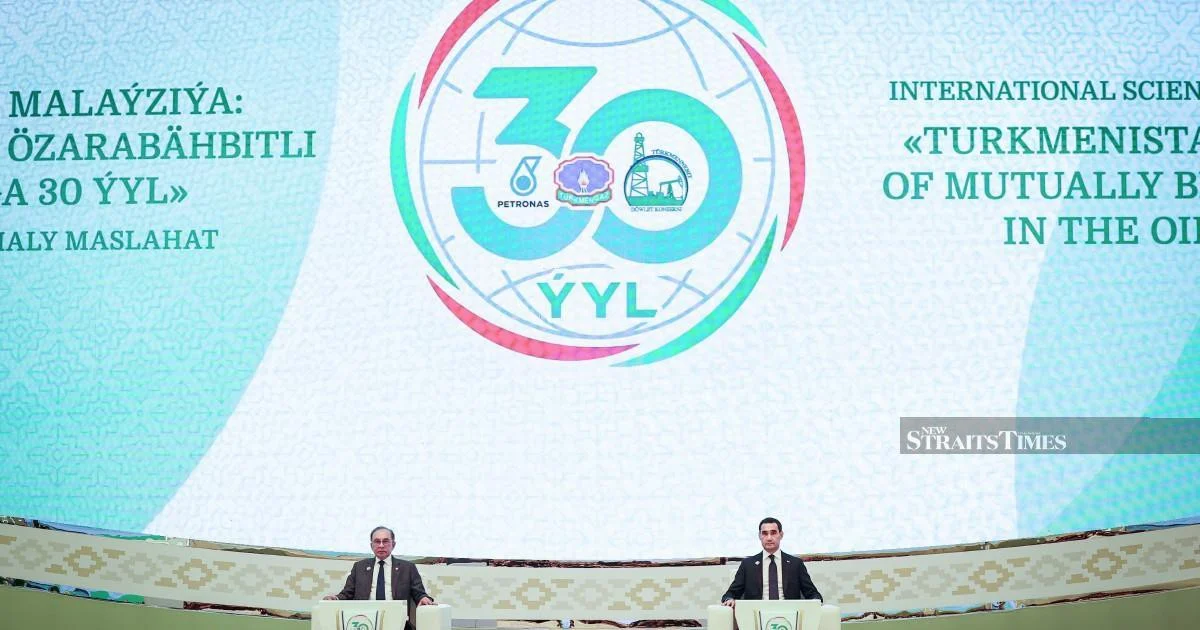
Turkmenistan's inclusion in the itinerary signals Malaysian interest in Central Asian energy corridors, a region often overlooked in Southeast Asian strategic calculations but increasingly important as China and other regional players expand influence. Turkmenistan possesses vast natural gas reserves and has been actively seeking alternative export markets beyond Russia and China. Malaysia's approach to Ashgabat could facilitate access to energy resources while building coalitions around shared interests in regional stability and maritime commerce. The two nations can explore mutually beneficial arrangements that leverage Malaysia's expertise in energy production and downstream industries.
These initiatives carry significant implications for Malaysian consumers and businesses. Securing diversified energy sources helps stabilise domestic fuel prices, which directly affects transportation costs, electricity generation, and manufacturing competitiveness. Small and medium enterprises, which form the backbone of Malaysia's economy, are particularly sensitive to energy price fluctuations. By establishing stronger relationships with multiple suppliers, Malaysia reduces its vulnerability to supply shocks or price manipulation by any single source. This translates into greater economic resilience and more predictable operating conditions for Malaysian companies.
The geopolitical dimension of these energy negotiations deserves careful analysis. Malaysia, as a member of both ASEAN and the broader Indo-Pacific community, must navigate complex international relationships without alienating important partners. The visits to Russia and Turkmenistan demonstrate that Anwar understands Malaysia's room for manoeuvre in contemporary global affairs. Countries need not choose between East and West; rather, they can pursue pragmatic partnerships that serve national interests. This balancing act is particularly important for ASEAN, which values consensus and non-interference while comprising members with diverse security alignments.
Energy security also intersects with environmental and sustainability considerations. While Malaysia is progressively investing in renewable energy and hydrogen technologies, the near to medium-term reality demands continued reliance on fossil fuels. Natural gas, particularly, offers a transition fuel that is cleaner than coal while supporting Malaysia's manufacturing and petrochemical sectors. Partnerships with Russia and Turkmenistan for gas supplies could complement, rather than contradict, Malaysia's long-term energy transition goals. The challenge lies in managing this energy mix responsibly while preparing for a lower-carbon future.
The commercial dimensions of these breakthroughs extend beyond simple commodity trading. They potentially encompass technology transfer, joint ventures in upstream exploration, and participation in downstream refining operations. Malaysian companies, particularly those within the Petronas ecosystem, could gain access to new production techniques and operational expertise. Conversely, Russian and Turkmen companies could benefit from Malaysian know-how in energy marketing and distribution within Asian markets. Such mutually enriching partnerships create deeper economic interdependencies that strengthen diplomatic relationships.
For Southeast Asia more broadly, Malaysia's energy diplomacy has spillover effects. ASEAN nations collectively face energy security challenges as demand rises with economic development. Malaysia's successful negotiations could inspire regional neighbours to pursue similarly diversified strategies, strengthening ASEAN's collective economic resilience. Furthermore, the region's growing energy independence reduces vulnerability to external pressures and enhances its negotiating position in international forums.
The timing of these missions also reflects Malaysia's positioning as the current ASEAN chair, providing Anwar a platform to articulate not just national interests but regional perspectives. Energy cooperation agreements negotiated during this period could serve as templates for broader Southeast Asian engagement with Central Asian and Russian partners, potentially yielding collective benefits. This represents sophisticated statecraft that recognises opportunities to advance Malaysian interests while facilitating regional advancement.
Moving forward, the success of these energy initiatives will depend on effective implementation and sustained political commitment from both sides. Bureaucratic coordination between Malaysian agencies, clear communication with private sector partners, and transparent contractual frameworks will determine whether these diplomatic breakthroughs translate into actual energy flows and economic benefits. Anwar's personal involvement signals the government's seriousness, but sustained follow-through by technical teams and trade officials remains essential.
These breakthroughs ultimately testify to the value of active engagement in global energy markets. By venturing beyond conventional partnerships and securing multiple supply sources, Malaysia strengthens its economic foundation and enhances its strategic autonomy. For a nation deeply integrated into global supply chains and vulnerable to external shocks, such diversification constitutes not merely advantageous policy but strategic necessity. Anwar's diplomatic success in Russia and Turkmenistan demonstrates Malaysia's capacity to navigate great power competition while securing vital national interests.