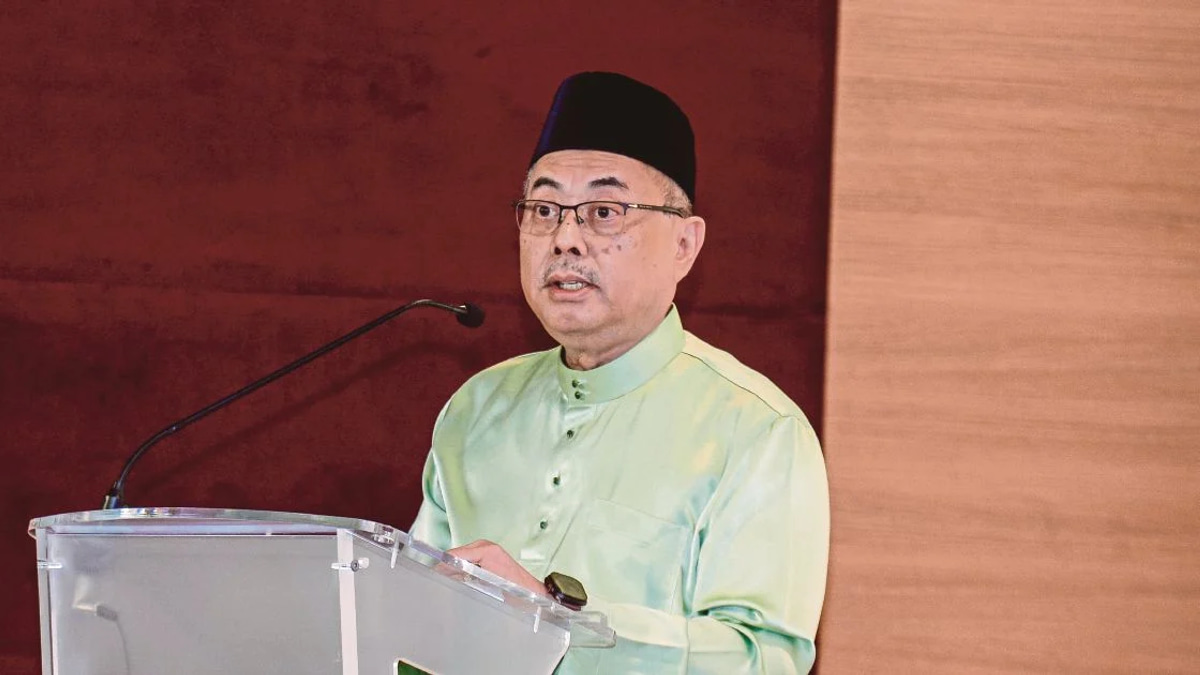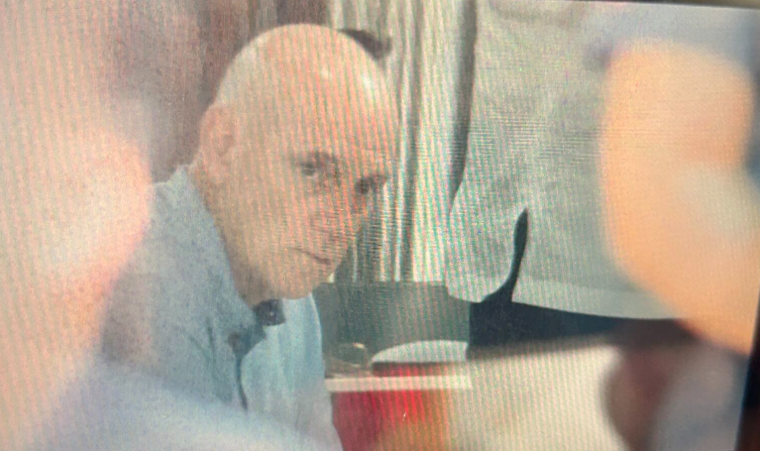
Tab Baldwin, the former head coach of Ateneo de Manila University's men's basketball programme, arrived at the Criminal Investigation and Detection Group headquarters in Camp Crame, Quezon City, on Friday morning to answer questions about the deaths of two players who drowned during a team training activity. The questioning forms part of an ongoing police inquiry into the fatal drownings of Rene Baterbonia and Divine Adili, which occurred during a conditioning activity conducted along the coastline near Dipaculao in Aurora province earlier in the month.
Baldwin's appearance at the CIDG facility, which occurred shortly before 8:30am, marked a significant development in the investigation that has drawn considerable public attention and scrutiny. The incident has raised important questions about safety protocols during athletic training sessions and the responsibilities of coaching staff when conducting exercises in potentially hazardous environments such as beach and water-based settings. The deaths of the two young athletes have prompted widespread discussion about risk management in university sports programmes across the Philippines.
The coach neither provided statements to assembled journalists nor permitted his representatives to speak on his behalf during his arrival. Security personnel at the CIDG headquarters restricted media access to the facility, preventing reporters from approaching the building or attempting further communication with Baldwin and his legal team. This controlled approach to the questioning reflected the sensitive nature of the investigation and the police's desire to conduct proceedings without external interference or prejudicial media coverage.
Baldwin's presence at the CIDG office came after a previous summons issued last Monday was handled by his legal representatives rather than the coach himself. When Baldwin did not appear in person at that earlier date, his lawyers attended the questioning instead, providing a response that apparently did not satisfy the investigating officers. The CIDG subsequently issued a second subpoena specifically requiring Baldwin's personal attendance, ultimately compelling him to appear at the headquarters on Friday.
The incident at Dipaculao has become emblematic of broader concerns within Philippine university athletics regarding proper supervision, emergency preparedness, and adherence to safety standards during training sessions. Conditioning exercises conducted in aquatic environments require particular vigilance and comprehensive safety measures, including the presence of qualified lifeguards, emergency response equipment, and predetermined rescue protocols. The tragic outcome has prompted reflections on whether all such requirements were met during the Ateneo training activity.
Baldwin, an American coach with significant experience in the Philippine basketball landscape, subsequently tendered his resignation from his position at Ateneo de Manila University following the drowning incident. His departure from the institution represents one of the immediate consequences of the tragedy, though the investigation into the precise circumstances surrounding the deaths and any potential lapses in duty or negligence continues under police supervision. The resignation came as the university grappled with the devastating loss of two student-athletes and the resulting reputational damage.
The timing and nature of training exercises conducted in challenging environments raises persistent questions about institutional oversight and the decision-making processes that lead coaching staff to select particular venues and activity types. University athletic programmes operate within a framework of institutional responsibility, and the institution itself faces scrutiny regarding whether it imposed adequate safeguards and approved protocols for such activities. The Ateneo case will likely influence how Philippine universities approach risk assessment for future athletic training sessions.
The investigation by the CIDG represents the formal criminal justice response to the tragedy, with law enforcement authorities seeking to determine whether any individual bears criminal responsibility for the deaths. The questioning of Baldwin forms a crucial part of this process, as investigators seek to understand his decision-making on the day of the incident, the safety measures implemented, and whether any actions or omissions contributed to the drowning deaths. The direction of the investigation will depend substantially on the information gathered during such questioning sessions.
For Malaysian observers and Southeast Asian readers, the Ateneo incident serves as a cautionary reminder about the necessity of rigorous safety standards in university and institutional sports. As athletic programmes across the region expand and incorporate increasingly challenging training methodologies, institutions must balance the pursuit of competitive excellence with unwavering commitment to athlete welfare and protection. The case demonstrates how inadequate safety protocols can result in tragic outcomes and substantial institutional and personal consequences for those responsible for programme management and execution.
%22%2F%3E%3C%2Fpattern%3E%3C%2Fdefs%3E%3Crect%20width%3D%22100%25%22%20height%3D%22100%25%22%20fill%3D%22url(%23ph4s0lhg)%22%2F%3E%3Crect%20width%3D%22100%25%22%20height%3D%22100%25%22%20fill%3D%22url(%23ph4s0lhp)%22%2F%3E%3Ctext%20x%3D%2250%25%22%20y%3D%2250%25%22%20text-anchor%3D%22middle%22%20dominant-baseline%3D%22central%22%20fill%3D%22rgba(255%2C255%2C255%2C0.95)%22%20font-family%3D%22Georgia%2C%20'Times%20New%20Roman'%2C%20serif%22%20font-weight%3D%22700%22%20font-size%3D%22194%22%20letter-spacing%3D%22-0.02em%22%3ETeacher%3C%2Ftext%3E%3C%2Fsvg%3E)
%22%2F%3E%3C%2Fpattern%3E%3C%2Fdefs%3E%3Crect%20width%3D%22100%25%22%20height%3D%22100%25%22%20fill%3D%22url(%23ph2zazsg)%22%2F%3E%3Crect%20width%3D%22100%25%22%20height%3D%22100%25%22%20fill%3D%22url(%23ph2zazsp)%22%2F%3E%3Ctext%20x%3D%2250%25%22%20y%3D%2250%25%22%20text-anchor%3D%22middle%22%20dominant-baseline%3D%22central%22%20fill%3D%22rgba(255%2C255%2C255%2C0.95)%22%20font-family%3D%22Georgia%2C%20'Times%20New%20Roman'%2C%20serif%22%20font-weight%3D%22700%22%20font-size%3D%22136%22%20letter-spacing%3D%22-0.02em%22%3EProsecuti%E2%80%A6%3C%2Ftext%3E%3C%2Fsvg%3E)