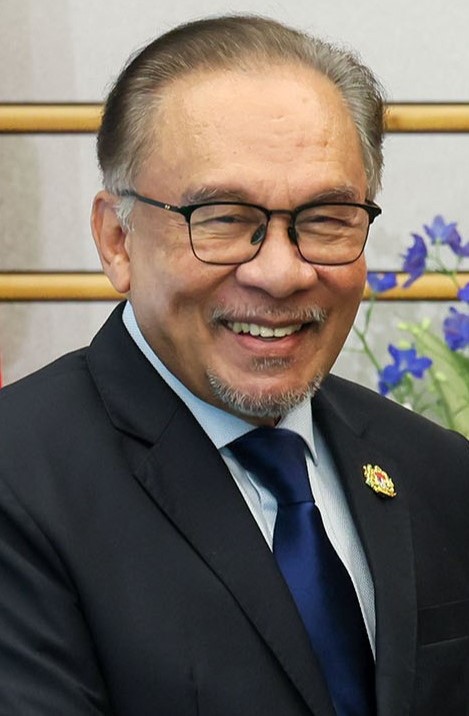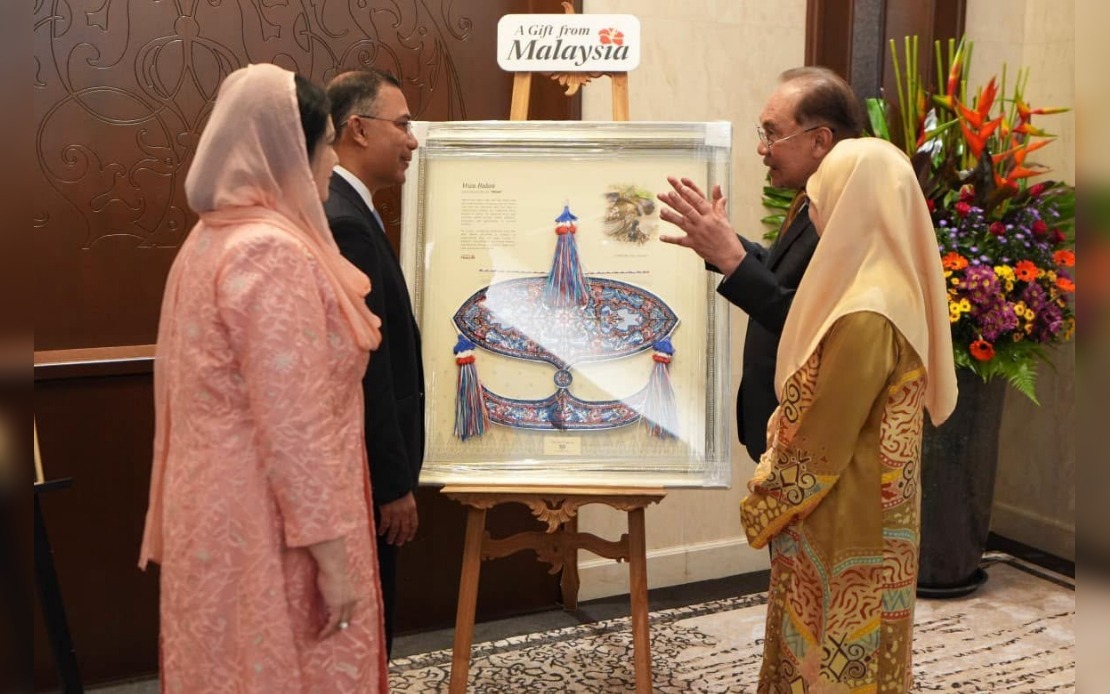
Bangladesh Prime Minister Tarique Rahman departed Malaysia on Monday after completing his first state visit as the country's premier, carrying with him renewed pledges to deepen cooperation across diplomatic, economic and people-to-people dimensions. The visit underscored the priority both nations place on their bilateral relationship, with Rahman publicly committing to work closely alongside Malaysian counterpart Datuk Seri Anwar Ibrahim in expanding shared interests and regional collaboration.
Rahman expressed profound appreciation for the reception extended during his time in Kuala Lumpur, particularly acknowledging the hospitality demonstrated by Anwar and his spouse, Datuk Seri Dr Wan Azizah Wan Ismail. The Bangladesh leader and his wife, Dr Zubaida Rahman, noted the exceptional warmth displayed by Malaysian government officials and the broader Malaysian population, describing such gestures as emblematic of the mutual goodwill characterising contemporary bilateral relations.
Central to Rahman's messaging was an emphasis on the deeply rooted people-to-people connections binding Bangladesh and Malaysia. These linkages extend across numerous sectors and communities, reflecting decades of sustained interaction through trade, education, cultural exchange and migration flows. Such grassroots connectivity provides a foundation transcending formal governmental structures, ensuring durability in bilateral relations despite shifting political circumstances in either country.
The discussions between Rahman and Anwar reaffirmed what both leaders characterised as enduring bonds between their nations. These connections carry historical resonance, particularly for Bangladesh, whose premier invoked his family's role in shaping the nation's early decades. Rahman referenced his father, Shaheed President Ziaur Rahman, who served as Bangladesh's president during a formative period, and his mother, Begum Khaleda Zia, who held the office of Prime Minister. This familial connection to Bangladesh's founding era lends Rahman additional credibility in articulating national interests and cementing partnerships.
The bilateral relationship between Bangladesh and Malaysia encompasses multiple dimensions beyond traditional diplomacy. Economic cooperation through trade and investment, labour migration patterns affecting hundreds of thousands of Bangladeshis working in Malaysia, educational partnerships, and religious and cultural affinities all contribute to the texture of contemporary ties. Malaysian companies operate extensively in Bangladesh's manufacturing and infrastructure sectors, while Bangladeshi workers constitute a significant portion of Malaysia's migrant labour force, particularly in construction and domestic service industries.
Regional stability and prosperity emerged as shared concerns during Rahman's visit, with both leaders acknowledging their nations' interests in maintaining favourable conditions for development across Southeast Asia. Bangladesh's geographic position in South Asia gives it particular leverage in regional forums, while its membership in multilateral organisations provides platforms for coordinating positions on matters affecting the broader Indo-Pacific region. Malaysia similarly commands influence within Southeast Asian institutions, positioning both countries as important voices in shaping regional discourse.
Rahman also extended gratitude to His Majesty Sultan Ibrahim, King of Malaysia, for receiving him and demonstrating personal warmth during their engagement. The inclusion of Malaysia's constitutional monarch in diplomatic protocol underscores the formal nature of Rahman's visit and the significance both governments attach to the occasion. Royal involvement in state visits signals high-level commitment and reflects customary diplomatic practice when receiving heads of government from neighbouring or strategically important nations.
The timing of Rahman's inaugural state visit as Bangladesh's premier carries symbolic weight, suggesting priorities in his new administration's foreign policy architecture. The choice to visit Malaysia relatively early in his tenure indicates recognition of the relationship's importance and a desire to signal continuity in bilateral engagement despite leadership transitions in Dhaka. For Malaysian observers, the visit provides reassurance regarding Bangladesh's commitment to existing partnerships and potential for expanding cooperation under new political leadership.
Prospective areas for enhanced collaboration likely include infrastructure development, digital economy initiatives, and coordination on maritime security in the Bay of Bengal and broader Indian Ocean region. Bangladesh's ongoing development challenges in urbanisation, energy provision and transportation infrastructure create opportunities for Malaysian expertise and investment. Conversely, Bangladesh's large domestic market and strategic location along major shipping routes offer commercial prospects for Malaysian enterprises seeking regional expansion.
The diplomatic language employed by both sides—emphasising multifaceted partnership, people-to-people connectivity, and shared commitment to prosperity—reflects contemporary best practices in bilateral relations. Such formulations avoid contentious issues while establishing frameworks for practical cooperation. The absence of specific commitments or memoranda of understanding in public statements suggests that formal agreements may emerge through technical channels rather than high-profile announcements, a common pattern in Southeast Asian diplomacy.
For Malaysia, Bangladesh represents an important partner within broader South Asian engagement strategies. As Malaysian foreign policy increasingly emphasises connectivity with South Asian economies and societies, strengthening ties with Bangladesh serves strategic interests in diversifying external relationships and participating in cross-regional value chains. The Bangladesh-Malaysia relationship thus occupies a meaningful position within Malaysia's evolving regional diplomacy, contributing to its efforts in positioning itself as a hub connecting South and Southeast Asia.