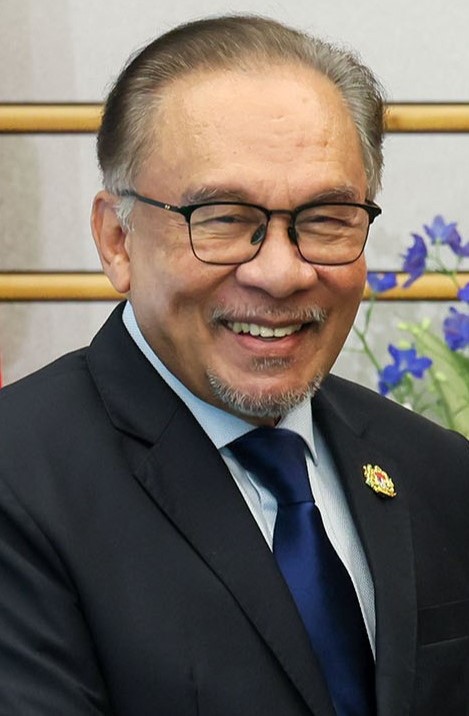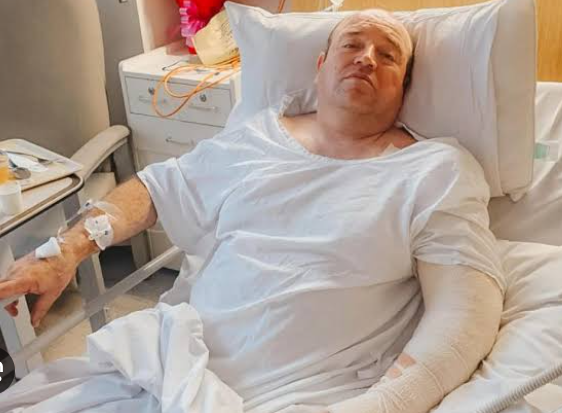
Ahmed al Ahmed, the Sydney fruit seller who became an international symbol of bravery when he disarmed a gunman during the December 14 mass shooting at Bondi Beach, appeared in court this week to face serious charges stemming from an alleged assault on his own father. The 44-year-old, who sustained gunshot wounds while intervening in the attack that claimed 15 lives at a Jewish festival gathering on the beach, entered a not guilty plea to both common assault and domestic stalking or intimidation charges at Bankstown District Court on Wednesday.
The case represents a dramatic fall from grace for a man whose actions in the midst of chaos earned him global recognition and national accolades. Footage that circulated worldwide showed Ahmed ducking between parked vehicles as gunfire erupted around him, then using his proximity to one of the two attackers to grapple for the weapon and ultimately wrestle it away from the shooter. His split-second decision to act, despite the extreme danger he faced, stood in stark contrast to the horror unfolding around him and saved numerous lives.
The dichotomy between Ahmed's heroic public image and his current legal predicament illustrates the complex pressures that can emerge when ordinary individuals are thrust into extraordinary circumstances and then thrust into the unforgiving glare of public attention. His lawyer, Mohamad Sakr, appealed to journalists gathered outside the courthouse to remember that his client remains innocent until proven otherwise. "It has been very difficult," Sakr said. "It is a family situation that he never expected, one would never want to expect, and it must be very difficult for him."
The assault allegations involving his father represent a collision between Ahmed's celebrity status and the intensely private realm of family relations—a collision that has seemingly become unbearable for those closest to him. Sakr urged the media and public to maintain perspective, emphasising that the fundamental principle of legal justice must protect Ahmed from prejudgment. "There is one thing that must be upheld and that is the presumption of innocence. He is a heroic man and his honesty and dignity should be maintained until these matters are determined."
Ahmed's path to notoriety began on the beach that December afternoon when he risked his life to stop an active gunman. The decision to act earned him a meeting with Prime Minister Anthony Albanese and transformed him into a household name across Australia and beyond. A crowdfunding campaign launched in his honour raised over A$1 million, reflecting the nation's gratitude for his selflessness and quick thinking during one of the country's deadliest shooting incidents.
However, the subsequent attention and financial windfall appear to have created tensions within his family unit that neither Ahmed nor his relatives anticipated. The matter took a darker turn last month when his two brothers were themselves called before Sydney courts on allegations that they had attempted to coerce Ahmed into transferring a portion of the fundraised money to them. These separate proceedings suggest a family in turmoil, with the sudden wealth and international attention seeming to amplify existing rifts rather than provide genuine relief.
For Malaysia and the broader Southeast Asian region, the Bondi Beach incident and its aftermath offer important lessons about how communities respond to mass violence and the secondary trauma that can emerge in its wake. While Ahmed's heroism provided a redemptive narrative in the immediate aftermath, the current allegations demonstrate that trauma rarely resolves neatly or quickly. The psychological burden of having narrowly escaped death, of having made a split-second decision that saved others, and then of being elevated to celebrity status can create profound dislocation from one's previous life.
The alleged family conflict also raises questions about how sudden wealth and public recognition can destabilise relationships previously built on more modest circumstances. Ahmed, by profession a fruit seller, existed in one socioeconomic and social sphere until December 14. The fundraiser elevated him into another entirely, and his family members may have experienced their own disorientation as a result of his changed circumstances.
The next court hearing is scheduled for August 12, when the proceedings will move closer toward resolution. Until then, Ahmed remains caught between two identities: the international hero whose quick thinking prevented further tragedy, and the man facing domestic assault charges in his own family. The tension between these narratives will likely define public perception of him in Australia for some time to come, while also serving as a sobering reminder that heroism and subsequent recovery are far more complicated than viral moments might suggest.