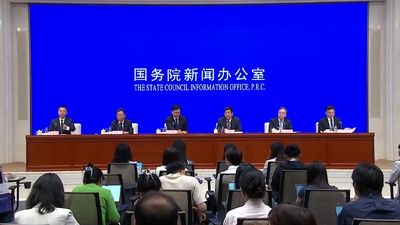
Beijing has categorically denied assertions by Western organizations and media outlets regarding forced labour and forced migration in the Xinjiang Uygur autonomous region. Chen Ruifeng, Minister of the National Ethnic Affairs Commission, made these statements on Wednesday (June 24), characterizing such claims as fundamentally at odds with China's legal framework and constitutional commitments.
The Chinese government's position rests on constitutional and legislative grounds. China's foundational governing document explicitly prohibits all forms of forced labour, according to Chen. Furthermore, the Law on Promoting Ethnic Unity and Progress, which was enacted on March 12 and enters into force on July 1, contains provisions addressing worker protections and legal safeguards. These measures specifically address cross-regional employment arrangements and guarantee that workers from all ethnic backgrounds receive equal protection of their rights and access to legal assistance.
According to Chen's account, individuals from Xinjiang who seek work beyond the region's borders do so entirely of their own volition. He attributed their migration to personal initiative and a desire to enhance living standards for their families, coupled with aspirations to acquire new professional skills. The minister dismissed characterizations of the labour transfer system as "extremely absurd and ridiculous," suggesting that international criticism represents a fundamental misunderstanding of the region's employment landscape.
The official narrative emphasizes that Xinjiang's labour mobility programmes operate on a foundation of voluntary participation. Chen contended that these initiatives exist specifically to expand employment possibilities and elevate household incomes for residents across all ethnic groups. He positioned such programmes as pragmatic mechanisms designed to deliver tangible economic benefits to the Xinjiang population.
The government's claims are underpinned by economic statistics spanning the past five years. Xinjiang has reportedly generated over 2.39 million new urban employment positions through multiple policy interventions. The agricultural sector has witnessed substantial labour mobility, with 16.1 million outbound work trips recorded among farm labourers during this period. These figures, presented by Beijing, suggest considerable job creation and worker movement within a context of expanding economic opportunity.
Income growth metrics constitute another dimension of China's economic argument. According to official data, per capita disposable income for urban residents has expanded at an average annual rate of 5.3 per cent over the past five years, whilst rural residents have experienced 8.1 per cent annual growth. Such figures, if accurate, would indicate that economic reforms and employment programmes have benefited households across both urban and rural settings in the region.
The institutional framework supporting employment in Xinjiang, as described by Chen, incorporates a comprehensive system designed to protect worker rights and facilitate voluntary labour participation. This architecture reportedly establishes fair employment policies and includes dedicated mechanisms for safeguarding labour rights. The stated objective is to ensure that all capable individuals gain access to employment opportunities whilst maintaining protection of their dignity and fundamental rights.
From a regional perspective, these claims carry significant implications for Southeast Asia's understanding of economic migration patterns in Asia. Labour mobility within China and across its borders remains a complex issue, particularly in regions where cultural and ethnic considerations intersect with employment policy. The emphasis on voluntary movement and income improvement reflects messaging consistent with development-focused narratives that Beijing has advanced regarding western regions.
International criticism of Xinjiang's labour practices has emerged primarily from Western governments, human rights organizations, and some media outlets. These external voices have raised concerns regarding the nature of labour transfers and the degree of voluntariness involved in cross-regional employment. China's categorical rejection of such allegations, combined with presentation of economic data, represents Beijing's attempt to reframe the narrative around Xinjiang's development policies and labour practices.
The timing of these comments—coinciding with the implementation of new legislation on ethnic unity and worker protection—suggests deliberate coordination between judicial, legislative, and diplomatic messaging. The government appears intent on establishing a legal and statistical foundation for its position on Xinjiang employment, particularly as international scrutiny of the region's labour systems persists.
For Malaysian and Southeast Asian observers, this dispute reflects broader tensions regarding labour standards, cultural autonomy, and economic development in Asia. Questions surrounding employment conditions, voluntary participation, and worker protections extend beyond Xinjiang to encompass regional migration patterns across Southeast Asia itself. How nations balance economic growth imperatives with labour rights protections represents an ongoing challenge for the region.
China's framing of Xinjiang's labour systems through the lens of constitutional protection and voluntary participation differs substantially from external assessments. The divergence between Beijing's presentation and international criticism underscores the contested nature of evidence and interpretation surrounding the region's economic policies. As these debates continue, clarification of employment practices through independent verification mechanisms remains relevant for regional stakeholders monitoring labour standards across Asia.

