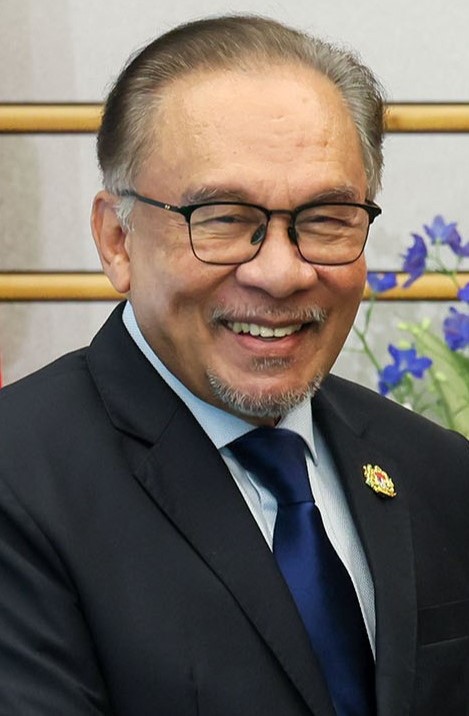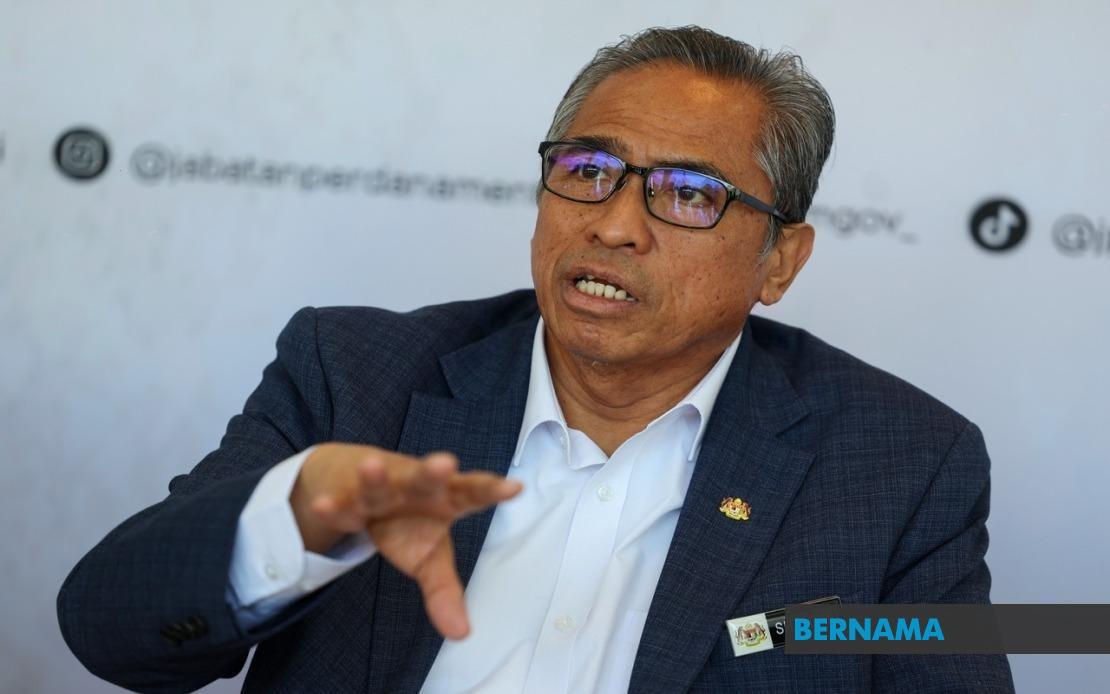
The machinery of Malaysia's public sector must become an active instrument in consolidating the country's emerging position on the world stage, according to Tan Sri Shamsul Azri Abu Bakar, the Chief Secretary to the Government. Speaking on June 24, he stressed that recent diplomatic initiatives undertaken by Prime Minister Datuk Seri Anwar Ibrahim—notably his working visits to Russia and Turkhenistan—have strategically repositioned Malaysia within complex global trade and political networks, but only the civil service can ensure these openings translate into lasting national benefit.
The two diplomatic missions represent more than ceremonial foreign engagements; they signal Malaysia's willingness to diversify economic partnerships beyond established Western markets and to explore emerging opportunities in Central Asia and Eastern Europe. Shamsul Azri framed these moves as part of a deliberate strategy to secure Malaysia's place in a reshuffled global economic order, where nations increasingly compete for investment, technology partnerships, and preferential trade arrangements. The Chief Secretary's remarks underscore a realisation within government circles that diplomatic success alone—securing agreements, establishing frameworks, and building relationships—means little without the operational capacity to execute them.
This perspective reflects a growing frustration in Malaysian policymaking circles with the gap between headline-grabbing international commitments and their implementation on the ground. When trade delegations return from successful visits abroad with memoranda of understanding and commercial prospects, those opportunities often languish without prompt bureaucratic follow-through. Shamsul Azri's call for civil service efficiency is partly a diagnosis of this longstanding weakness and partly a prescription: government agencies managing economy and trade must operate with unprecedented speed and strategic clarity to capitalise on windows of opportunity that diplomatic engagement opens.
The Chief Secretary explicitly connected the civil service's role to what he termed the "Whole-of-Government" approach and MADANI Diplomacy—the administration's foreign policy framework emphasising pragmatism and mutual benefit. Rather than compartmentalising foreign affairs within the foreign ministry, this model requires coordination across multiple government bodies, from trade promotion authorities to investment boards to sectoral regulators. Each must understand how Malaysia's international positioning creates domestic opportunities and be prepared to act accordingly. Without such coordination, diplomatic gains risk being squandered through bureaucratic inertia or siloed decision-making.
A particular focus has emerged around the Ease of Doing Business agenda, which Shamsul Azri identified as a priority for the coming period. This initiative directly serves the purpose of converting international agreements into investment flows. When Malaysia signs trade deals or investment frameworks with foreign partners, the attractiveness of actually doing business here—navigating regulations, obtaining permits, securing financing—becomes the deciding factor. If foreign investors encounter slow approvals, unclear rules, or unresponsive officials, even the most advantageous trade agreement becomes worthless. The Chief Secretary's emphasis on this agenda reflects an understanding that competitive advantage in global commerce depends as much on administrative efficiency as on formal diplomatic status.
The concept of a "global mindset" among public servants signals something deeper than mere awareness of international affairs. It implies a cultural shift within the bureaucracy toward thinking systemically about Malaysia's competitive position, understanding emerging economic trends, and recognising how decisions made in Putrajaya affect the country's appeal to multinational investors. This requires training, exposure to international best practices, and incentive structures that reward officials for facilitating rather than obstructing business activity. For Malaysian civil servants accustomed to more traditional hierarchical and risk-averse operating models, such a transformation represents considerable change.
The employment implications of this strategy are particularly relevant for ordinary Malaysians. Shamsul Azri explicitly connected the diplomatic and administrative agenda to the creation of "high-income job opportunities for locals." The logic is straightforward: if Malaysia attracts greater foreign investment through diplomatic engagement and efficient business procedures, those investments establish factories, research facilities, financial services, and technology hubs that generate well-paying employment. Conversely, failure to convert diplomatic opportunity into investment means that the promised prosperity remains abstract. For a country where youth unemployment and underemployment remain concerns, the stakes are significant.
Commodity security represents another dimension of this strategy frequently overlooked in public discourse. Malaysia's economic resilience depends partly on securing reliable supplies of critical materials—from energy to raw materials for manufacturing. The diplomatic engagement with Russia and other partners must be understood partly through this lens: establishing relationships that can provide alternative sourcing when global supply chains face disruption. The civil service's role, then, extends to coordinating procurement strategies, managing supply chain risks, and ensuring that international agreements translate into stable, affordable supplies for Malaysian industry and consumers.
The invocation of the Public Service Reform Agenda's "internationalisation" enabler suggests that this shift toward global engagement is not ad-hoc but part of a structured transformation. This reform agenda aims to build a civil service with the skills, mindset, and operational systems needed to function effectively in an interconnected world. It acknowledges that the traditional Malaysian bureaucracy—built largely around domestic administration and social service delivery—requires substantial upgrading to support an internationally competitive economy. Such transformation takes years and requires investment in training, recruitment of internationally experienced talent, and systemic changes to reward and accountability.
Regionally, Malaysia's repositioning has implications for how Southeast Asian governments think about their own international engagement. If Malaysia can successfully convert diplomatic diversification into economic gains, it validates a strategy that other ASEAN nations are also pursuing: reducing dependence on traditional Western markets, exploring partnerships with rising powers, and positioning oneself as a pragmatic partner rather than an ideologically aligned ally. However, the Malaysian case also demonstrates that diplomatic success is only the first step; the harder work lies in institutional capacity to deliver on promises made at the highest levels.
Looking forward, the effectiveness of this strategy will be measured not by the number of diplomatic visits or agreements signed, but by concrete outcomes: increased foreign investment, new export markets, job creation, and improved global competitiveness rankings. These metrics depend critically on whether the civil service can truly transform its operating culture and capability. Shamsul Azri's June 24 remarks represent a clear acknowledgement that without such internal reform, Malaysia's diplomatic opening will remain incomplete, and the promised prosperity will fail to materialise for ordinary citizens.