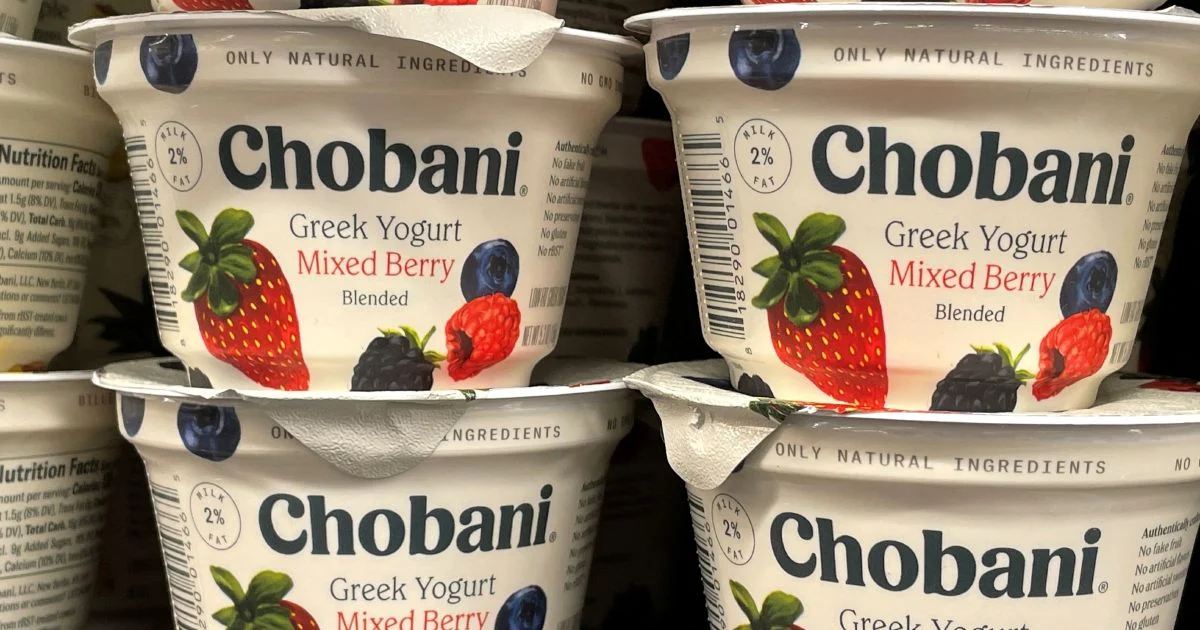
French dairy giant Danone's decision to pursue legal action against American competitor Chobani over protein labelling claims underscores the escalating competitive pressures reshaping the global yoghurt market. The lawsuit reflects Danone's determination to protect its market position as demand patterns shift dramatically among consumers adopting GLP-1 weight-loss medications, a trend that has unexpectedly bolstered demand for yoghurt products in ways traditional dairy marketing could never achieve.
The protein-focused dispute between these two major players illuminates a broader strategic concern preoccupying food manufacturers worldwide. Unlike many food categories experiencing contraction as GLP-1 users reduce overall consumption, yoghurt has emerged as a notable exception. This resilience stems partly from the nutritional profile that health-conscious consumers—particularly those managing weight through medication—actively seek when making dietary choices. High-protein yoghurt options align naturally with the health priorities of this expanding demographic, positioning the category as a rare growth opportunity within an otherwise challenging consumer landscape.
Chobani's prominence in the American yoghurt sector has grown substantially since its establishment, challenging Danone's long-held dominance in developed markets. The company's Greek yoghurt products, marketed with particular emphasis on protein content, have captured meaningful shelf space and consumer loyalty. For Danone, which built its international reputation on yoghurt and dairy products, this competitive encroachment represents a significant business concern, especially given the structural advantages that GLP-1 adoption provides to high-protein foods across multiple consumption occasions.
The timing of Danone's legal challenge reflects broader industry anxieties about product claims and regulatory scrutiny. As manufacturers compete increasingly on nutritional attributes, particularly protein content, the potential for conflicting or misleading marketing claims has intensified. Danone's action suggests the company believes Chobani's protein claims overstate actual nutritional benefits or fail to meet regulatory standards—a calculation that implies the stakes in this category have risen sufficiently to justify expensive litigation.
For Southeast Asian dairy companies and food manufacturers, this international dispute carries direct implications. Regional players including Thai and Indonesian manufacturers who supply yoghurt and dairy products to domestic and export markets must monitor evolving regulatory standards around protein claims. As global companies standardise marketing practices across territories, local manufacturers may face pressure to align their own labelling and promotional claims with international precedents established through cases like this one.
The GLP-1 phenomenon has created an unusual market dynamic where a pharmaceutical trend directly drives food category growth. Consumers using these weight-loss medications typically maintain protein intake while reducing overall caloric consumption, making high-protein yoghurt particularly attractive. This consumer behaviour contrasts sharply with traditional dairy marketing, which historically emphasised calcium, gut health, and family nutrition. The shift fundamentally alters which products gain traction, positioning companies that can credibly deliver high protein content at competitive price points for outsized growth.
Danone's global footprint spans numerous countries, including significant operations across Asia-Pacific markets, making the company particularly sensitive to category-level growth patterns. The company's decision to contest Chobani's claims suggests internal analysis indicating that protein-focused marketing will increasingly determine market share within the yoghurt category over the coming years. Rather than compete primarily on brand heritage or traditional health attributes, Danone appears determined to establish clear competitive advantages in the high-protein segment where GLP-1-influenced consumer demand concentrates most intensely.
Chobani's business model has depended substantially on differentiation through product quality and nutritional positioning rather than legacy brand recognition. The company's emphasis on Greek yoghurt and associated protein content resonates directly with consumers seeking foods that support weight management and muscle maintenance—priorities that GLP-1 users disproportionately share. Danone's legal action represents, in effect, a challenge to this differentiation strategy, attempting to neutralise one of Chobani's core competitive advantages through regulatory and legal mechanisms.
The protein claims dispute also reflects evolving consumer sophistication regarding yoghurt products. Decades ago, marketing yoghurt primarily involved emphasising digestive health or convenient nutrition for families. Today's market requires manufacturers to substantiate specific protein claims with rigorous testing and transparent labelling. Regulators across major markets, including those in Europe and North America, have tightened scrutiny of nutritional claims, making litigation outcomes increasingly consequential for industry-wide practices.
Looking ahead, this clash between Danone and Chobani will likely influence how all yoghurt manufacturers globally—including those operating in Malaysia, Singapore, and other Southeast Asian markets—formulate and market high-protein products. Whichever party prevails in the dispute, the outcome will establish precedent regarding acceptable protein claim substantiation, potentially reshaping product development priorities and marketing strategies across the category. For regional manufacturers seeking international competitiveness, understanding the regulatory and litigation landscape around protein claims has become essential strategic knowledge.
The broader implication extends beyond yoghurt alone. If GLP-1 adoption continues expanding as weight management becomes a central consumer concern, food manufacturers across categories will increasingly evaluate their products through the lens of protein delivery and appetite management compatibility. Danone's legal assertiveness suggests the company recognises this structural shift and intends to shape how the industry competes within it. The yoghurt wars, ultimately, represent the first major skirmish in what may become a prolonged competitive reconfiguration across multiple food categories as pharmaceutical innovation reshapes eating habits.

