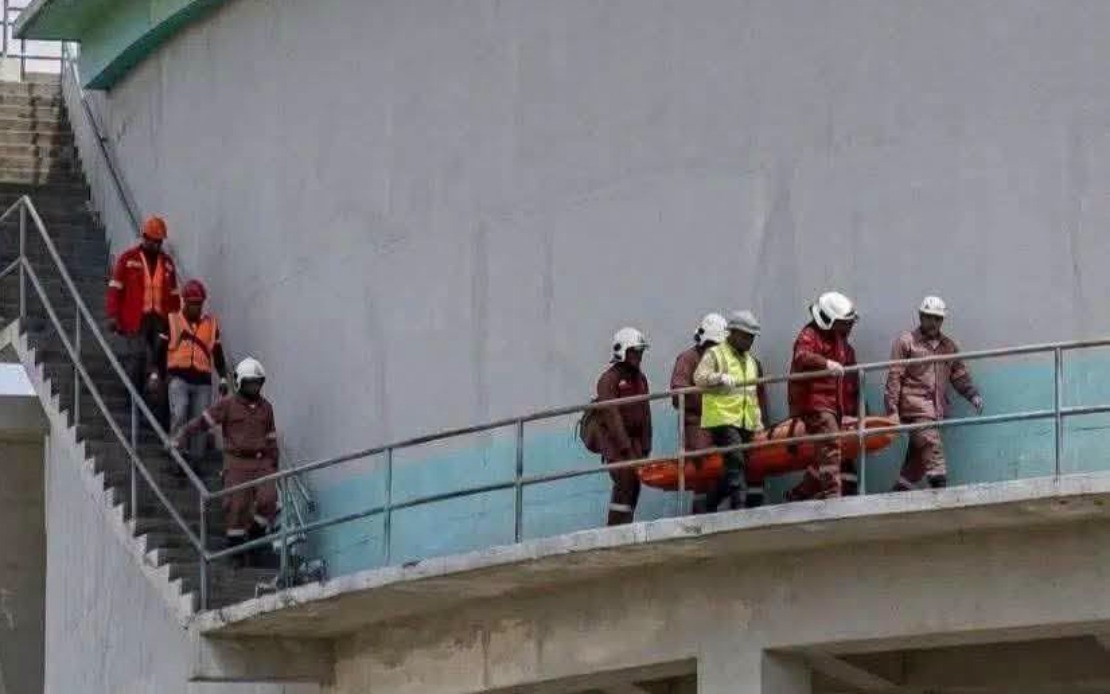
The Department of Occupational Safety and Health (DOSH) has launched a formal investigation into the death of an industrial trainee who was killed while performing water tank cleaning operations at Menara Saujana Perdana 1 in Sungai Buloh, Selangor, during mid-June. Director-General Hazlina Yon confirmed that the incident occurred on June 16, with investigators from the department's Selangor office having already visited the workplace and implemented measures to preserve evidence at the location pending the completion of their inquiry.
The regulatory body is proceeding with its examination under the provisions of the Occupational Safety and Health Act 1994, specifically invoking Sections 15, 17 and 18, which establish the legal obligations placed upon employers, self-employed individuals, and relevant parties to maintain safe conditions and protect the wellbeing of personnel. This statutory framework places the responsibility on duty holders to ensure not only the security of workers but also the protection of third parties who may be exposed to risks emanating from workplace operations. The scope of the investigation extends beyond the immediate circumstances of the fatality and encompasses the broader systems and practices that were in place at the time of the accident.
Witness statements are currently being gathered as part of the investigative process, with DOSH noting that enforcement measures will be pursued if breaches of occupational safety legislation are identified. The announcement carries particular significance for the industrial and maintenance sectors across Malaysia, which routinely undertake high-risk confined space operations such as tank cleaning, pipeline inspection, and similar activities. Confined space work represents one of the most hazardous categories of employment, with fatalities and serious injuries occurring with striking regularity when proper protocols are not observed or when supervision falls short of required standards.
Hazlina's statement emphasises that employers must implement rigorous risk assessment procedures prior to commencing any work activity, with particular attention directed toward operations classified as high-risk. This requirement reflects the principle that many workplace incidents are preventable through systematic identification of hazards and implementation of proportionate control measures. The assessment process must be documented, communicated to workers, and reviewed before work commences, ensuring that all parties understand the specific dangers present and the methods by which those dangers will be managed. The failure to conduct adequate risk assessments frequently appears as a contributing factor in fatal workplace accidents across the region.
Confined space work demands heightened levels of procedural compliance, including the acquisition of appropriate work permits before personnel enter such areas. These permits serve as a critical control mechanism, forcing a pause in operations to verify that conditions are safe, that rescue equipment is available, and that trained observers or rescue personnel are positioned to respond to emergencies. The permit system, when properly administered, has proven effective in preventing incidents, yet remains frequently neglected or improperly completed in operations across Malaysia. The regulator's emphasis on permit requirements reflects a recognition that many employers treat this step as bureaucratic inconvenience rather than essential safety safeguard.
The incident underscores the particular vulnerability of industrial trainees and newly hired workers, who often lack the experience and situational awareness necessary to recognise dangers and respond appropriately. DOSH has stressed that employers bear responsibility for ensuring such personnel receive comprehensive occupational safety and health training before being assigned to hazardous tasks. This training must include specific instruction relevant to the particular work being undertaken, hazard briefings tailored to the specific workplace and conditions, and supervision by competent personnel throughout the operation. The absence of proper induction and training represents a systemic failure that contributes substantially to incidents involving inexperienced workers.
Supervisory oversight emerges as another critical element identified in DOSH's statement, with the regulator emphasising that competent supervision must be maintained throughout confined space operations. Supervisors must themselves possess adequate knowledge of the hazards involved and the control measures required, and must actively monitor the work to ensure compliance with established procedures. This is not a passive administrative role but an active presence requirement, where the supervisor maintains constant vigilance and readiness to intervene if unsafe practices are detected or if conditions deteriorate unexpectedly. The level of supervisory competence directly correlates with safety outcomes in high-risk operations.
For Malaysian employers operating in sectors where confined space work is routine—including water treatment facilities, industrial maintenance, construction, and the petrochemical industry—this investigation carries immediate implications. Regulatory scrutiny of confined space operations is intensifying, and organisations that have relied upon informal practices or incomplete procedures face increased exposure to enforcement action. The financial and reputational consequences of serious workplace accidents have grown substantially, with potential liability extending to both criminal prosecution of individuals and civil compensation claims. Progressive employers are investing in comprehensive confined space safety programmes that exceed minimum legal requirements, recognising that the cost of compliance is substantially lower than the cost of accidents.
The broader context for this incident involves a regional pattern of occupational fatalities in Asia-Pacific economies where rapid industrialisation and workforce expansion occasionally outpace the development of safety culture and infrastructure. Malaysia has made progress in occupational safety regulation and enforcement, yet gaps remain in compliance across certain sectors and employer categories. Small and medium enterprises, in particular, frequently lack the resources or expertise to implement comprehensive safety management systems, creating concentrations of risk in these operation categories. International best practice in confined space safety, developed through decades of incident investigation and lessons learned globally, provides a roadmap that Malaysian regulators and employers can follow to prevent future tragedies.
Hazlina's statement represents not merely a response to a single incident but a restatement of the legal and moral obligations that employers must acknowledge. Vendors and contractors, who frequently undertake specialised high-risk work such as tank cleaning on behalf of building owners and industrial facility operators, require explicit inclusion in safety obligations, as incidents involving contract workers often reveal gaps in communication and responsibility between primary employers and service providers. The regulatory emphasis on this point suggests awareness that contractor safety has been an area of historical weakness in enforcement. Going forward, facility managers and building owners will need to ensure that any contractors they engage to perform confined space work can demonstrate robust safety credentials and comprehensive insurance coverage.
The investigation will likely require several weeks or months to conclude, during which time additional information regarding the circumstances of the fatality will emerge. The findings will inform regulatory guidance and may trigger additional enforcement activity across similar operations within Malaysia. For the industrial sector and the occupational safety profession, this incident represents an opportunity to reinforce the non-negotiable nature of confined space safety protocols and to demonstrate that systematic compliance with established procedures, while sometimes perceived as burdensome, remains the most reliable mechanism for preserving human life in high-risk operations.