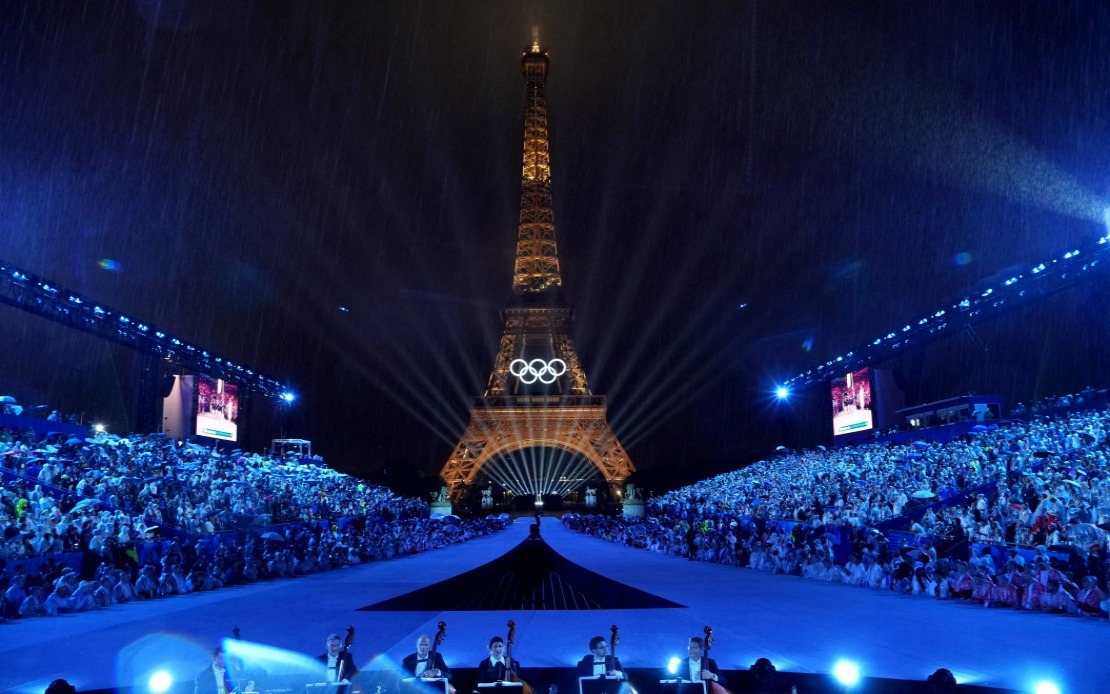
Paris's most celebrated landmarks are closing their doors ahead of schedule as an extreme heatwave continues to grip France, forcing authorities to prioritise visitor and staff safety over regular operations. The Eiffel Tower, one of the world's most visited monuments, shut down at 4 pm local time on Tuesday rather than its standard closing hours, with the last entry barred from noon onwards as temperatures soared across the capital. The unprecedented measure underscores the severity of the weather conditions currently affecting the country, with the national weather service, Meteo-France, issuing its highest alert levels across swathes of mainland France.
The operating company for the Eiffel Tower, Sete (Societe d'Exploitation de la tour Eiffel), made clear that the early closure decision prioritised the wellbeing of both employees and guests navigating the iron structure during dangerous heat conditions. Visitors who had booked time slots beginning at 11.30 am for stair access and noon for lift access will receive automatic refunds without needing to request them, the management announced on its official website. This automatic compensation arrangement reflects an effort to minimise inconvenience whilst adhering to safety protocols that become critical during extreme temperature episodes.
The Louvre Museum, France's most visited art institution housing the Mona Lisa and countless masterpieces, followed suit with its own schedule adjustments. From June 24 through June 27, the museum will close at 4 pm instead of its customary 6 pm closing time, aligning with the peak heat period forecast by meteorologists. These closures represent exceptional departures from the standard operational calendars of both institutions, demonstrating how seriously French authorities are treating the weather emergency unfolding across the country.
Meteo-France data shows that temperatures in Paris reached 36 degrees Celsius by 4 pm on Tuesday, with forecasts predicting even more intense conditions on Wednesday when highs could reach 38 degrees Celsius. Such temperatures are particularly hazardous in urban environments where stone and metal structures absorb and radiate heat, creating dangerous microclimates. The Eiffel Tower, constructed largely from iron and steel, becomes especially uncomfortable for visitors during extreme heat episodes, with metal railings, stairs, and elevator cars reaching dangerously high temperatures that can cause burns or exacerbate heat-related illness.
The geographical scope of the heatwave is remarkably extensive. Meteo-France placed 54 departments across mainland France under red alert, the nation's highest warning level for weather emergencies, on Tuesday alone. An additional 35 departments were classified under orange alert, indicating dangerous conditions falling just below the red threshold. This distribution across more than half of France's mainland administrative divisions illustrates the unprecedented scale of the weather phenomenon, extending far beyond Paris and affecting millions of residents and visitors nationwide.
The heatwave is expected to persist until at least Thursday, according to Meteo-France forecasts, meaning the dangerous conditions will affect tourism and daily life for several days. Early closures of major attractions essentially compress visitor flows into shorter windows, potentially creating crowding issues during the least hot parts of operating hours. Museums and historical monuments in particular face operational challenges during extreme heat, as the large indoor spaces common to such venues can become suffocating when ventilation systems are strained by external temperatures.
For international travellers planning visits to Paris during this period, the closures necessitate significant itinerary adjustments. Tourists arriving with pre-booked tickets face cancellations and refund processes, whilst those hoping to visit key attractions must plan visits during morning hours when temperatures remain relatively more manageable. The cascading effect of these closures ripples through the tourism sector, affecting restaurants, hotels, and local businesses that benefit from visitor spending at these sites.
France has experienced heatwaves with increasing frequency in recent years, a pattern consistent with broader climate trends affecting Europe. However, the intensity of the current episode and the decision by major cultural institutions to restrict operations highlight growing recognition among authorities that extreme heat poses genuine public health risks requiring proactive responses. Staff working at outdoor or poorly ventilated locations face particular hazards, including heat exhaustion and heat stroke, making early closures a responsible management decision even if it reduces revenue.
The coordination between major institutions suggests that French authorities have implemented heat emergency protocols across the tourism and cultural sectors. The simultaneous announcements from both the Eiffel Tower and the Louvre indicate that official guidance from regional or national health authorities likely triggered these decisions, ensuring consistency in safety responses. This institutional coordination demonstrates how governments respond to climate-related emergencies that exceed normal operational parameters.
For Southeast Asian readers, the Paris heatwave serves as a cautionary example of how climate change is intensifying extreme weather events in traditionally temperate regions. Malaysia and other tropical nations have long experience managing intense heat, but the challenges facing European institutions accustomed to moderate temperatures illustrate how infrastructure and operational systems designed for historical climate conditions become inadequate as temperature norms shift. The early closure decisions, though inconvenient for tourists, represent a necessary adaptation to changing environmental realities that will increasingly shape how major public venues operate globally.