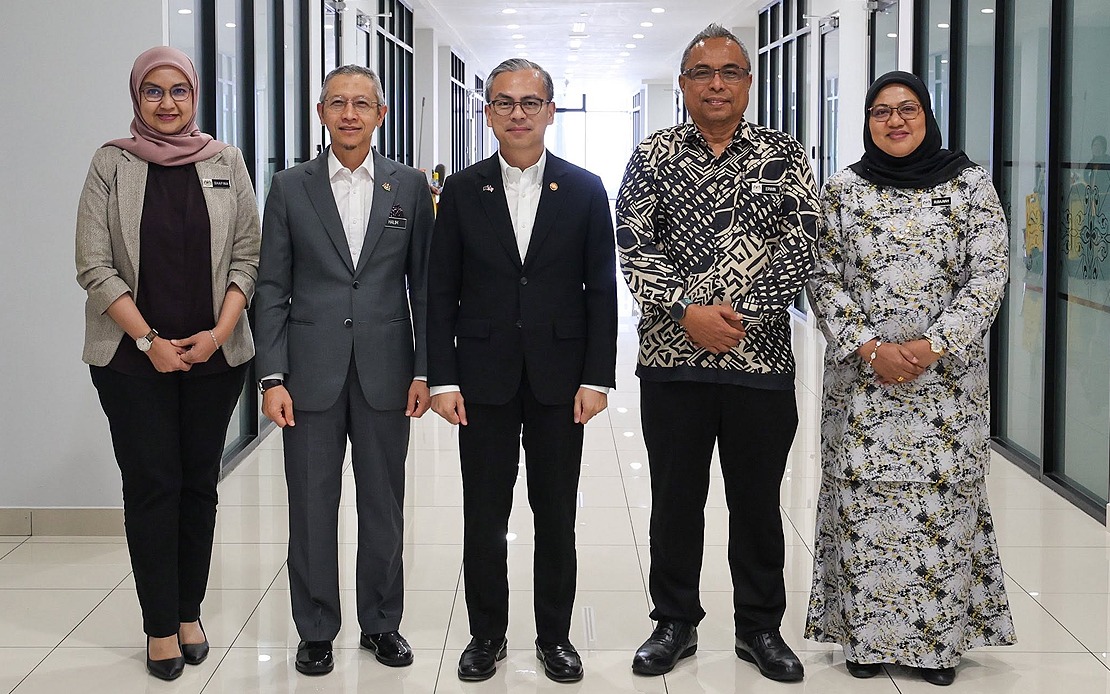
The Information Department (JaPen) has entered a new leadership phase with the appointment of Erwin Khairul Ahmad as director-general, drawing congratulations from Communications Minister Datuk Fahmi Fadzil. Alongside this transition, Wan Saidatul Shafina Mohd Amin has been named deputy director-general overseeing digital content operations. Both appointments, formally announced through appointment letters presented by Tan Sri Wan Ahmad Dahlan Abdul Aziz, the director-general of the Public Service Department (JPA), mark significant developments in Malaysia's information management infrastructure at a time when the nation's digital communications landscape continues to evolve.
Fahmi's remarks highlighted the expectations placed upon the incoming leadership team. He emphasised the importance of sustained commitment, sound judgment, and unwavering dedication as the new appointees assume their responsibilities. The minister's message reflects the government's ongoing focus on ensuring that JaPen functions as a robust institutional mechanism for disseminating reliable information to the Malaysian public. This appointment occurs within the broader context of Malaysia's efforts to strengthen information governance and combat the spread of misinformation across multiple platforms.
The elevation of Wan Saidatul Shafina to the deputy director-general position specifically responsible for digital content carries particular significance. As Malaysia continues its digital transformation journey, with internet penetration reaching substantial levels across both urban and rural areas, the role of overseeing digital content operations has become increasingly central to government communications strategy. Her appointment signals institutional recognition of how critical digital channels have become in reaching citizens, particularly younger demographics increasingly reliant on online platforms for news and information.
Fahmi also took the occasion to express formal appreciation for the outgoing director-general, Julina Johan, acknowledging her tenure and the contributions she made during her stewardship of the department. Such recognition of predecessor achievements represents standard practice in government transitions, yet it also underscores the continuity and institutional memory that public service requires. Julina Johan's leadership period coincided with significant global challenges, including the pandemic era's unprecedented demands on information dissemination systems, making her tenure particularly demanding.
The JPA's formal announcement of these appointments through official channels represents the culmination of likely months of internal evaluation and consultation. The Public Service Department maintains strict protocols for executive-level appointments within government agencies, ensuring that selections are based on merit, experience, and demonstrated competency. The presentation of appointment letters by the JPA's own director-general underscores the formality and significance these postings carry within Malaysia's civil service hierarchy.
These leadership changes arrive at a moment when government information management faces multifaceted challenges. The prevalence of social media platforms, the rapid spread of unverified information, and the increasing sophistication of digital communication tactics have all transformed the operational environment in which JaPen must function. The appointment of experienced professionals to these positions suggests an institutional commitment to adapting to contemporary information ecosystems while maintaining traditional media engagement.
For Malaysian stakeholders monitoring government communications, these appointments carry implications extending beyond mere procedural announcements. The leadership direction set by Erwin Khairul Ahmad and Wan Saidatul Shafina will shape how the government packages and delivers information across multiple channels. Their approaches to balancing traditional media dissemination with innovative digital strategies will likely influence public perception of government transparency and accessibility. In an era where citizens increasingly question official narratives and seek alternative information sources, the credibility and effectiveness of JaPen's communications become strategically important.
The focus on digital content within the deputy director-general's portfolio also reflects broader shifts in how Southeast Asian governments approach public communications. Across the region, similar emphasis has been placed on digital-first strategies, recognition that traditional media channels alone cannot effectively reach diverse population segments. Malaysia's appointment of a dedicated digital content oversight position suggests alignment with these regional trends and acknowledgement that future government communication effectiveness depends substantially on digital fluency and innovation.
Essentially, these appointments represent both routine administrative transitions and substantive development within Malaysia's government communications apparatus. The new leadership team inherits an institution with historical significance in Malaysia's information management but also faces expectations to modernise operations and enhance effectiveness across rapidly evolving media landscapes. The minister's emphasis on dedication, wisdom, and strong institutional service provides the appointed leaders with both clear expectations and considerable responsibility as they navigate contemporary information challenges.