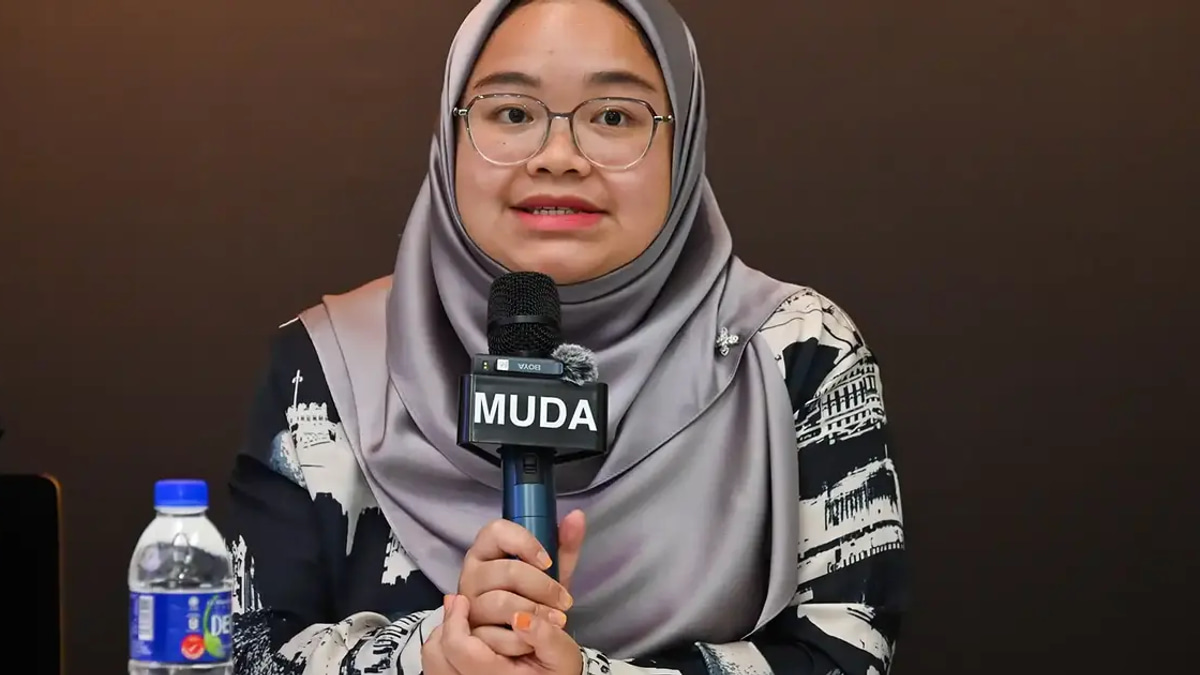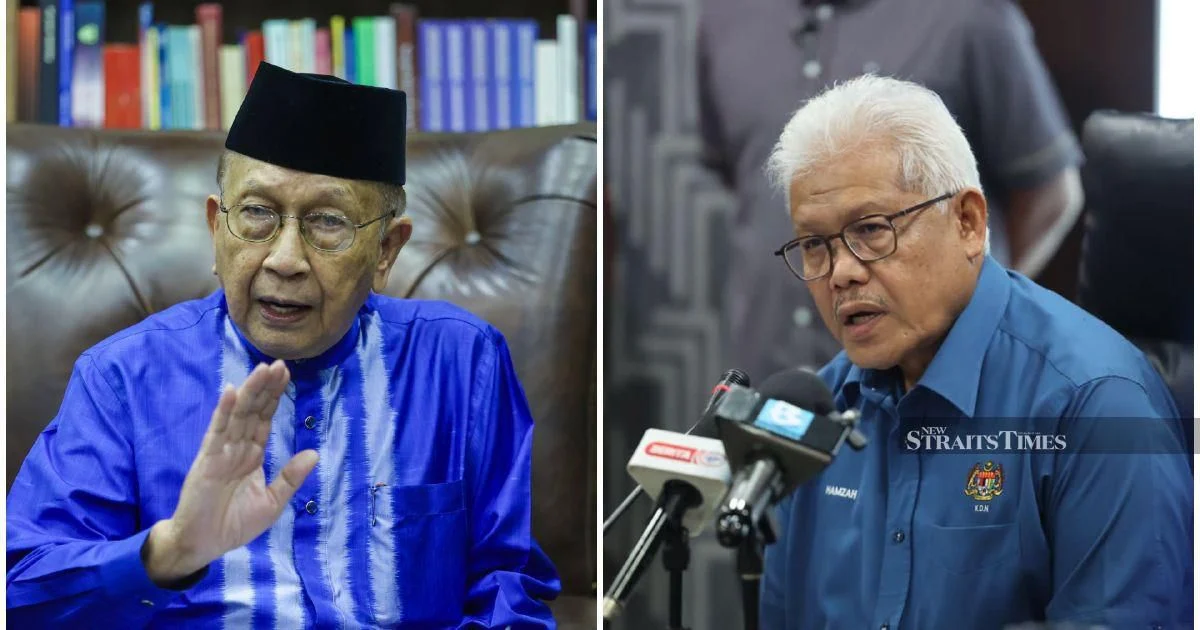
Parti Wawasan Negara (Wawasan) has formally unveiled the composition of its central leadership council, consolidating a coalition of experienced political practitioners, former government office holders, sitting parliamentarians, and specialists from the private sector. The announcement marks a significant milestone for the relatively new political entity seeking to establish itself within Malaysia's competitive party landscape.
The appointment of Hamzah and Rais Yatim to lead the central leadership structure underscores Wawasan's strategy to leverage the credibility and networks of established political figures. Both individuals bring decades of experience navigating Malaysia's complex political terrain and maintaining relationships across various constituencies and demographic groups. Their elevation to the highest positions within the party hierarchy signals the organization's intention to project stability and institutional depth to the electorate.
The inclusion of veteran politicians reflects a deliberate approach to party-building that prioritizes experience over novelty. In Malaysian politics, where institutional memory and established networks carry substantial weight, recruiting figures with prior ministerial exposure and parliamentary track records provides immediate legitimacy. Such individuals typically command respect among older voters and carry influence within traditional party machinery that remains crucial during election campaigns.
Beyond the political heavyweights, Wawasan's leadership structure deliberately incorporates parliamentarians currently serving in the Dewan Rakyat. This ensures direct linkage between party headquarters and the legislature, facilitating coordination on policy positions and enabling rapid mobilization of existing parliamentary infrastructure. The presence of sitting MPs also guarantees the party maintains an institutional foothold in the legislative process, allowing it to influence national discourse and table motions regardless of its broader electoral performance.
The recruitment of professionals into senior party positions represents a modern adjustment to traditional political party structures in Malaysia. By incorporating individuals from business, academia, civil society, and technical fields, Wawasan positions itself as a knowledge-driven organization rather than one dependent solely on patronage networks. This approach appeals particularly to younger, urban voters who increasingly demand evidence-based policymaking and technical competence from political parties. Professionals also bring specialized expertise in areas such as economic policy, technology, healthcare, and environmental management that can strengthen policy platforms.
The timing of this leadership announcement coincides with a period of political fluidity in Malaysia. With coalition realignments occurring and electorate sentiment remaining volatile, new or restructuring political parties must establish clear organizational identity quickly. Wawasan's decision to formalize its central leadership publicly demonstrates commitment to institutional development and signals that the party possesses sufficient resources and member commitment to sustain formal governance structures. This differentiation matters in an environment where numerous informal political movements lack organizational capacity.
For regional observers, Wawasan's evolution reflects broader patterns within Southeast Asian democracies where established parties face pressure from newer political formations offering alternative visions. The incorporation of diverse expertise across the central leadership suggests the party is attempting to appeal to multiple constituencies simultaneously—retaining the support of traditional politicians while attracting reform-minded professionals and younger voters frustrated with existing governance models.
The composition of Wawasan's leadership team will likely influence the party's policy platform development. With both veteran administrators and private sector professionals in central positions, the party can potentially bridge the gap between political pragmatism and technocratic reform—a positioning that several significant opposition and government-aligned figures have attempted to cultivate in recent years. How effectively these elements coexist within a single leadership structure will substantially impact Wawasan's capacity to present coherent policy proposals.
Malaysian voters should note that party leadership structures increasingly function as signals of organizational intentions and core constituencies. A leadership team weighted toward former ministers and parliamentarians typically emphasizes continuity and institutional experience, while simultaneously signaling potential willingness to negotiate with existing power structures. Conversely, the inclusion of professionals and technical experts often indicates emphasis on policy innovation and appeal to constituency groups dissatisfied with current governance approaches. Wawasan's balanced composition suggests the party is consciously positioning itself as an option for voters seeking neither radical disruption nor complete status quo maintenance.
Looking forward, the effectiveness of Wawasan's leadership structure will be tested through its capacity to generate electoral support, articulate distinctive policy positions, and maintain cohesion among members with potentially divergent political backgrounds and ambitions. The presence of multiple accomplished individuals in senior positions can either generate productive strategic debate or produce factional tensions depending on organizational culture and internal democratic processes. How Wawasan manages internal decision-making will significantly influence whether this leadership team becomes a strength or potential liability.
%22%2F%3E%3C%2Fpattern%3E%3C%2Fdefs%3E%3Crect%20width%3D%22100%25%22%20height%3D%22100%25%22%20fill%3D%22url(%23ph5fxjxg)%22%2F%3E%3Crect%20width%3D%22100%25%22%20height%3D%22100%25%22%20fill%3D%22url(%23ph5fxjxp)%22%2F%3E%3Ctext%20x%3D%2250%25%22%20y%3D%2250%25%22%20text-anchor%3D%22middle%22%20dominant-baseline%3D%22central%22%20fill%3D%22rgba(255%2C255%2C255%2C0.95)%22%20font-family%3D%22Georgia%2C%20'Times%20New%20Roman'%2C%20serif%22%20font-weight%3D%22700%22%20font-size%3D%22170%22%20letter-spacing%3D%22-0.02em%22%3EMalaysia%3C%2Ftext%3E%3C%2Fsvg%3E)