A comprehensive photo exhibition has opened in Butterworth to commemorate the evolution of HAWANA, Malaysia's National Journalists' Day, and to highlight the human impact of the Tabung Kasih@HAWANA assistance fund. The exhibition, unveiled ahead of the HAWANA 2026 Summit at the PICCA Convention Centre @ Arena Butterworth, represents a significant effort to preserve the institutional memory of a celebration that has become central to Malaysia's media landscape. The showcase divides its narrative into two complementary sections: a chronological record of HAWANA's growth from its inception in 2018 through 2025, coupled with a photographic testimony of individuals whose lives have been transformed through the Tabung Kasih@HAWANA welfare initiative.
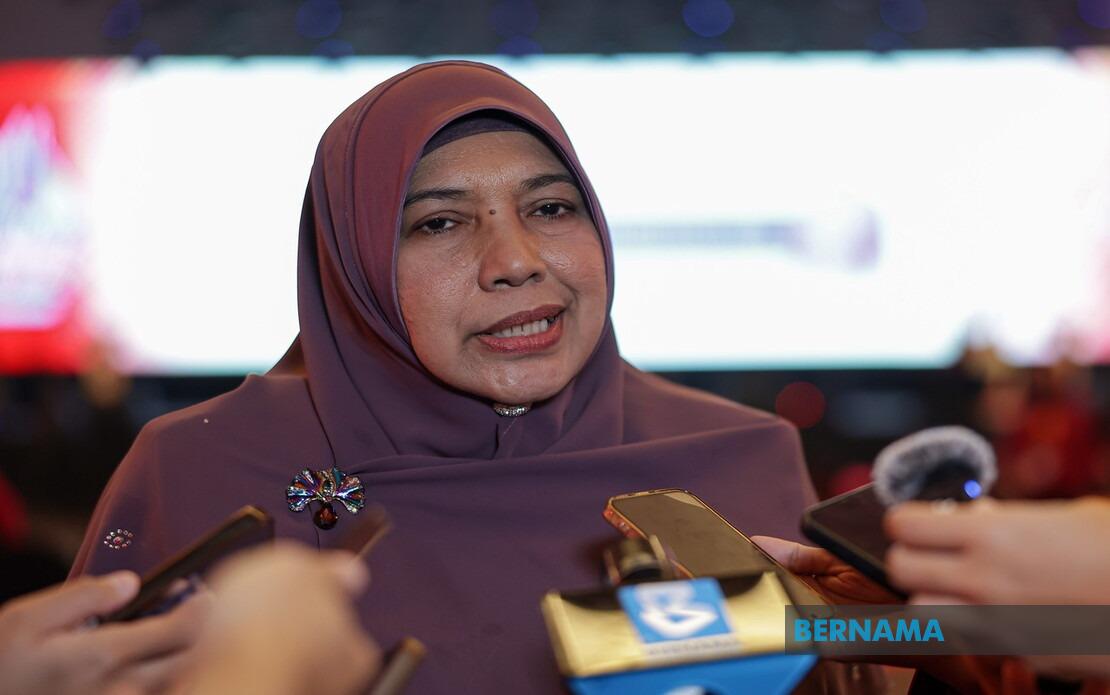
Datin Paduka Nur-ul Afida Kamaludin, who leads the Malaysian National News Agency (Bernama) as chief executive officer and chairs the HAWANA 2026 Working Committee, explained that the exhibition serves a dual purpose beyond commemoration. For a news organization that typically operates behind the scenes gathering and disseminating information, the gallery provides a rare opportunity to step into the public eye and demonstrate Bernama's multifaceted role as both the secretariat administering the Tabung Kasih@HAWANA fund and the principal implementing body orchestrating the annual celebration. This visibility, according to Nur-ul Afida, addresses a perception gap in how the media industry and the general public understand journalism's infrastructure and support systems.
The curatorial approach reflects deliberate choices about audience engagement. Mohamad Bakri Darus, the Bernama Photo Desk editor responsible for assembling the exhibition, emphasized that the photographic selection underwent rigorous editorial review to ensure authenticity and representativeness. Each image carries bilingual captions in Malay and English, a practical decision that broadens accessibility for visitors from diverse linguistic backgrounds and mirrors Malaysia's multicultural media environment. This attention to detail in presentation underscores how the exhibition functions not merely as a retrospective but as an educational tool for understanding journalism's evolving role within Malaysian society.
The temporal scope of the exhibition acquires particular significance when considered against the backdrop of Malaysia's media landscape transformation over the past eight years. HAWANA's journey through multiple venues across the peninsula—beginning in Kuala Lumpur in 2018, expanding to Melaka in 2022, reaching Ipoh, Perak in 2023, and Kuching, Sarawak in 2024 before returning to Kuala Lumpur in 2025—demonstrates a deliberate strategy of decentralization and regional inclusion. This geographic distribution reflects recognition that journalism practice and journalists' concerns extend far beyond the capital, encompassing diverse communities and distinct regional media ecosystems requiring tailored support structures.
The Tabung Kasih@HAWANA component of the exhibition addresses a critical but often invisible dimension of the journalism profession in Malaysia. By presenting the stories and circumstances of fund beneficiaries, the exhibition makes tangible the financial vulnerabilities and personal hardships that journalists face when confronted with health emergencies, retirement challenges, or unexpected life difficulties. For a profession that documents others' struggles, the gallery reverses the lens and acknowledges that media practitioners themselves navigate genuine economic and health risks. This narrative reframes journalism not as a privileged profession of detached observers but as an integral occupational community warranting mutual support and institutional care.
The comprehensive programming captured in photographic form—including the Strategic Partner Meeting, Media Forum, the HAWANA-DBP Pantun Festival celebrating traditional Malay verse, the HAWANA Carnival, and organized sports competitions—illustrates how the celebration integrates professional development, cultural preservation, wellness, and community bonding. These diverse program elements suggest that HAWANA has evolved beyond a commemorative occasion into a holistic platform addressing multiple dimensions of journalists' lives and professional needs. The inclusion of cultural programming through the Pantun Festival, in particular, signals how the celebration maintains connection to Malaysia's linguistic and literary heritage even within a contemporary professional context.
Nur-ul Afida articulated the exhibition's central message as one of appreciation and transparency. By documenting HAWANA's trajectory and making visible the Tabung Kasih@HAWANA's impact, the exhibition acknowledges media practitioners' contributions to national discourse while simultaneously demonstrating institutional responsiveness to their material welfare. This dual emphasis—recognizing professional importance while addressing economic vulnerability—positions journalism within Malaysia's broader social contract, suggesting that media workers deserve more than rhetorical appreciation but substantive institutional support.
For Malaysian readers and particularly those engaged with media and journalism, the exhibition carries implications extending beyond nostalgic retrospection. It documents nearly a decade of institutional innovation in supporting an essential profession during a period of technological disruption, economic uncertainty, and evolving audience consumption patterns. The visual record captures how journalism institutions have adapted, collaborated across regions, and mobilized collective resources to sustain their workforce amid sectoral challenges. The exhibition thereby becomes a document of institutional resilience and adaptive capacity within Malaysia's media ecosystem.
The timing of this exhibition—presented at the HAWANA 2026 Summit scheduled to be officiated by Prime Minister Datuk Seri Anwar Ibrahim—suggests official recognition of journalism's social importance and the government's acknowledgment of media workers' contributions to informed public discourse. The Prime Minister's participation lends ceremonial weight to HAWANA, positioning it as a nationally significant occasion rather than a merely sectoral celebration. This governmental engagement, documented and displayed through the exhibition, signals institutional commitment to supporting journalism as a profession and acknowledging journalists as worthy of state recognition and support mechanisms.
The bilingual nature of the exhibition's captions reflects Malaysia's communicative reality and ensures that the exhibition's educational value reaches beyond English-language readers to encompass Malay-speaking audiences and communities. This linguistic inclusivity mirrors how contemporary Malaysian journalism operates across multiple language registers and audiences, with media practitioners frequently navigating multilingual professional environments. By presenting its documentation in both national and international languages, the exhibition acknowledges journalism's transnational dimensions while remaining rooted in Malaysian linguistic and cultural contexts.
Looking forward, the exhibition established for HAWANA 2026 establishes a precedent for how professional associations document and commemorate their history in ways that serve both internal community purposes and broader public education. For Southeast Asian media institutions navigating similar challenges of sustainability, workforce welfare, and professional identity, the HAWANA exhibition model offers a template for integrating historical documentation, beneficiary recognition, and institutional advocacy within public-facing programming. The gallery thus transcends its immediate function as a celebration accessory to become a substantive contribution to how journalism in Malaysia understands and preserves its own narrative during a transformative historical period.