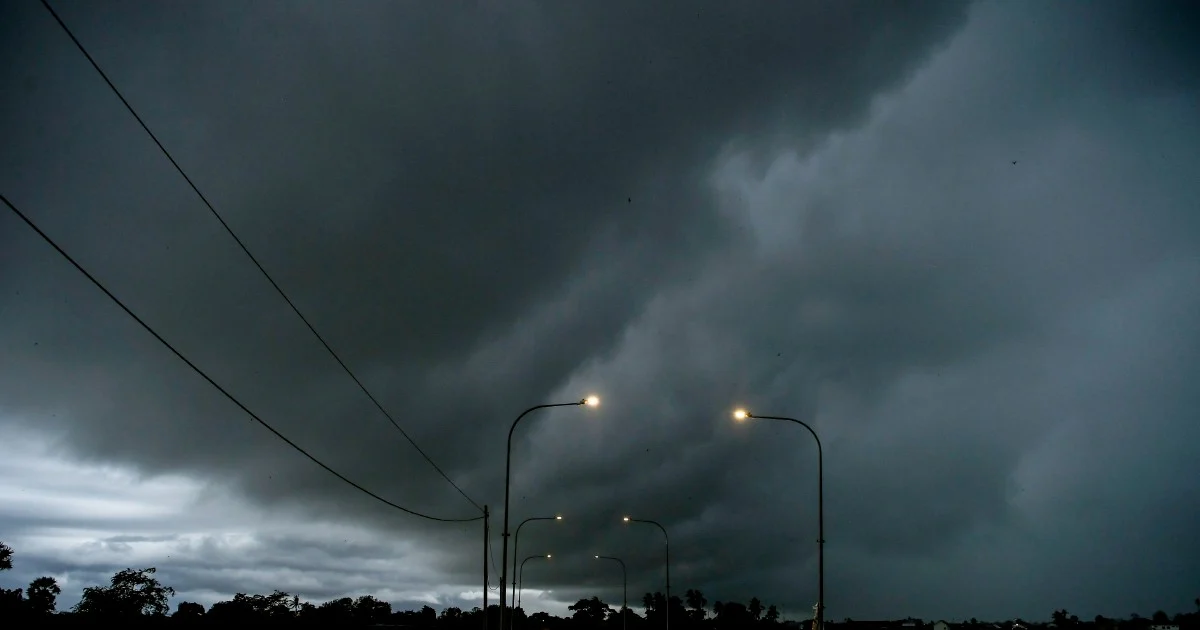
Residents across Peninsular Malaysia, Sabah and Sarawak are bracing for severe weather conditions as the Malaysian Meteorological Department (MetMalaysia) activated alerts warning of intense thunderstorms accompanied by heavy rainfall and damaging winds. The meteorological warnings remain in effect throughout the afternoon, with conditions expected to improve after 5pm today, providing a window for the weather to stabilise as evening approaches.
The severity of this weather system underscores the unpredictable nature of Malaysia's tropical climate, where afternoon thunderstorms frequently pose risks to communities and infrastructure. Strong wind gusts accompanying the rainstorms can damage structures, uproot trees, and disrupt power supply networks across affected regions. Heavy downpours within short timeframes increase the risk of flash flooding, particularly in low-lying areas and urban zones where drainage systems may become overwhelmed.
MetMalaysia's early warning system enables residents, authorities and businesses to take precautionary measures ahead of deteriorating conditions. Commuters should anticipate potential disruptions to road conditions, reduced visibility during peak rainfall, and possible delays across public transportation networks. Motorists are advised to exercise heightened caution, reduce speeds on highways and trunk roads, and avoid unnecessary travel through flood-prone areas during the storm window.
The geographic spread of the warning across both Peninsular Malaysia and the East Malaysian states of Sabah and Sarawak indicates a broad weather system affecting the broader Southeast Asian region. This pattern is consistent with seasonal atmospheric conditions that can trigger widespread convective activity, particularly during afternoon heating cycles. Residents in each state should remain vigilant and monitor official MetMalaysia updates for localised variations in storm timing and intensity.
For businesses and commercial operations, the afternoon weather disruption may necessitate adjustments to logistics and supply chain schedules. Construction sites and outdoor work activities should implement safety protocols to protect personnel from lightning hazards and falling debris. Schools and educational institutions, particularly those releasing students during the warning period, should coordinate transportation arrangements and consider weather-appropriate dismissal times.
Agricultural communities across the affected states face mixed implications from the heavy rainfall. While the moisture provides relief during dry spells, excessive rainfall can damage standing crops, waterlog agricultural fields, and exacerbate pest pressures in certain sectors. Smallholder farmers and estate operators should assess their drainage infrastructure and implement preventive measures to protect their harvests and assets.
Electrical safety becomes paramount during thunderstorm activity, with lightning strikes posing risks to both residential properties and critical infrastructure. Residents should unplug sensitive electronic devices, avoid contact with plumbing fixtures, and refrain from outdoor activities during the height of electrical storm activity. Public utilities managing power distribution networks typically increase monitoring during such events to respond swiftly to outages and restore services efficiently.
The meteorological department's five-hour forecast window demonstrates the improved predictive capacity of modern weather monitoring systems in Malaysia. Real-time radar imaging, satellite data integration, and sophisticated modelling allow forecasters to issue timely warnings that provide meaningful preparation opportunities for the public. Nonetheless, the inherent uncertainty in predicting exact storm timing and localised intensity means residents should maintain awareness even after the official warning period concludes, as isolated thunderstorms may persist beyond the stated timeframe.
For residents in flood-prone communities and areas with historical flooding records, today's heavy rainfall warrants particular attention. Evacuation plans should be reviewed, family emergency contacts confirmed, and essential documents stored in secure, elevated locations. Those living in susceptible low-lying neighbourhoods might consider temporary relocation to higher ground during peak rainfall intensity, particularly if drainage systems in their immediate vicinity have previously proven inadequate during similar weather events.
As the tropical monsoon systems that characterise Malaysia's climate continue to evolve with seasonal transitions, residents should familiarise themselves with accessing real-time weather updates from MetMalaysia's website and social media channels. Subscribing to official alerts ensures that households and businesses receive timely notifications about changing conditions, warning escalations, and all-clear advisories. This proactive engagement with meteorological information enhances community resilience and enables faster response protocols.
The afternoon weather window also presents opportunities for environmental monitoring, as water catchment areas recharge during heavy downpours. Water resources managers track rainfall patterns to assess replenishment of reservoirs and groundwater reserves, information crucial for long-term water supply planning across the country. Despite today's discomforts, the precipitation contributes to Malaysia's hydrological balance.