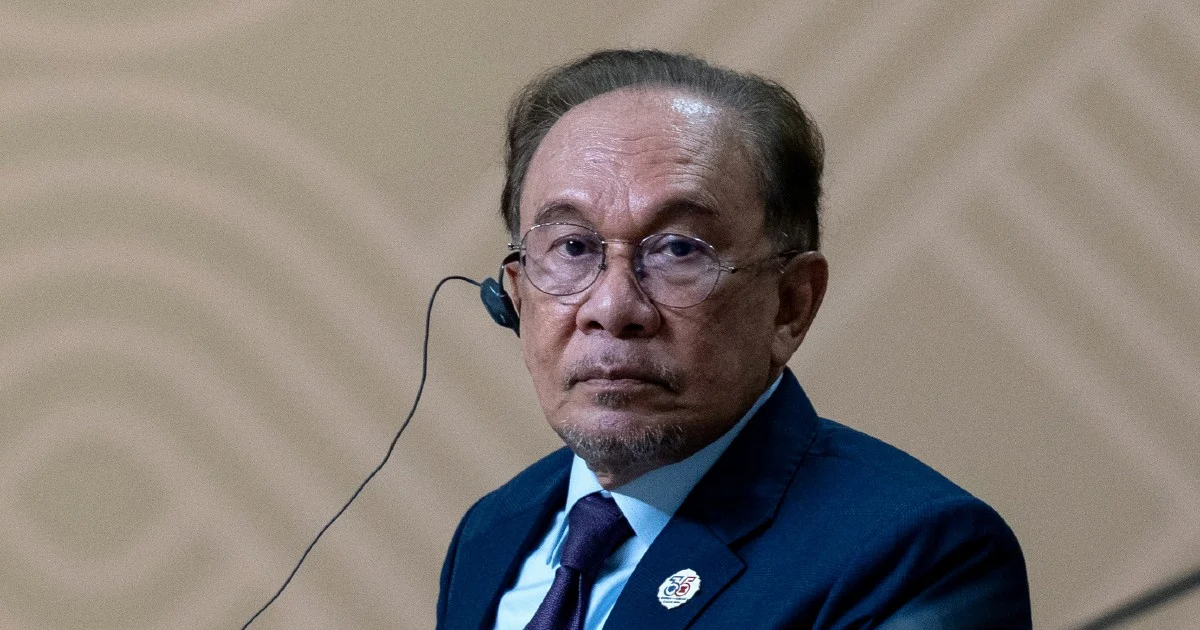
The High Court in Kuala Lumpur has discharged a subpoena that would have obliged Prime Minister Datuk Seri Anwar Ibrahim to give evidence as a witness in a RM30 million civil action targeting businessman Datuk Vinod Balachandra Sekhar and his wife. The judicial decision removes what could have been a significant procedural complication for the nation's chief executive, freeing him from the obligation to participate directly in the protracted litigation.
Civil litigation in Malaysia's court system regularly involves witness summonses directed at public figures, particularly when their knowledge or involvement relates to facts material to the dispute. The issuance of a subpoena compelling a sitting prime minister to testify would ordinarily have raised intricate questions about the balance between the demands of justice and the practical demands on a head of government's time and resources. Such situations demand careful judicial consideration of constitutional principles, parliamentary privilege, and the scope of a prime minister's duties.
The case against Datuk Vinod Balachandra Sekhar and his wife appears to involve commercial or contractual matters valued at RM30 million, though full details of the underlying dispute remain limited in available reports. The nature of Anwar's anticipated testimony was not clarified in court documents, nor have the circumstances that initially prompted the legal team to seek his evidence been made explicit. Determining who initiated the subpoena and what specific evidence they hoped to elicit would provide essential context for understanding the litigation's scope and significance.
High Court decisions to set aside witness summonses typically rest on established legal principles. Malaysian courts frequently consider whether the witness's attendance is genuinely necessary, whether the information sought is available through alternative means, or whether the public interest in the orderly functioning of government outweighs the specific evidentiary needs of the parties. The court's reasoning in this particular instance—whether emphasising the impracticality of compelling a prime minister's attendance, questioning the materiality of his evidence, or applying other doctrines—shapes how similar situations may be resolved in future litigation.
For the Prime Minister's office, exemption from courtroom testimony reduces administrative burden and shields the chief executive from potential entanglement in private commercial disputes. Malaysia's political system, like many Westminster-derived democracies, presumes that heads of government should concentrate on state affairs rather than become consumed by involvement in civil litigation affecting third parties. The High Court's decision aligns with this understanding, though it inevitably raises questions about whether justice is adequately served when high-ranking officials are excused from providing potentially crucial testimony.
The implications for the plaintiffs or defendants in this dispute may be substantial. If Anwar's testimony was regarded as pivotal to establishing disputed facts, losing his evidence could meaningfully alter litigation strategy or courtroom prospects. Conversely, other witnesses—whether documentary evidence, expert testimony, or other material facts—may prove sufficient to resolve the commercial disagreement without the Prime Minister's participation. The parties' legal teams will need to reassess their evidentiary approach in light of the court's ruling.
This judgment reflects broader tensions in Malaysian jurisprudence regarding the balance between ensuring comprehensive access to evidence and respecting the practical constraints imposed on high office holders. While witnesses generally cannot refuse subpoenas absent recognised legal grounds—spousal privilege, solicitor-client privilege, or state secrets doctrines—courts retain discretion to modify their compulsive effect when circumstances demand. The High Court's decision suggests the judge found sufficient grounds to conclude that compelling the PM's attendance was either unnecessary or inappropriately burdensome.
From a governance perspective, the outcome may strengthen public confidence in Malaysia's judicial independence. A court willing to set aside a subpoena affecting the Prime Minister demonstrates that judicial reasoning follows legal principles rather than political considerations. Simultaneously, the decision reaffirms that sitting premiers occupy a privileged position within the evidentiary landscape, a recognition not unique to Malaysia but consistent with practice across Commonwealth jurisdictions.
The RM30 million civil suit itself now proceeds without the anticipated testimony of the nation's chief executive. Both the plaintiff and defendant must now depend upon other evidence, witnesses, and legal arguments to establish their respective positions before the courts. The litigation's ultimate outcome remains uncertain, but the High Court's determination to spare the Prime Minister from courtroom participation has clarified an important boundary in Malaysian civil procedure, establishing a precedent that may influence how future cases involving senior government officials are managed within the Malaysian legal system.