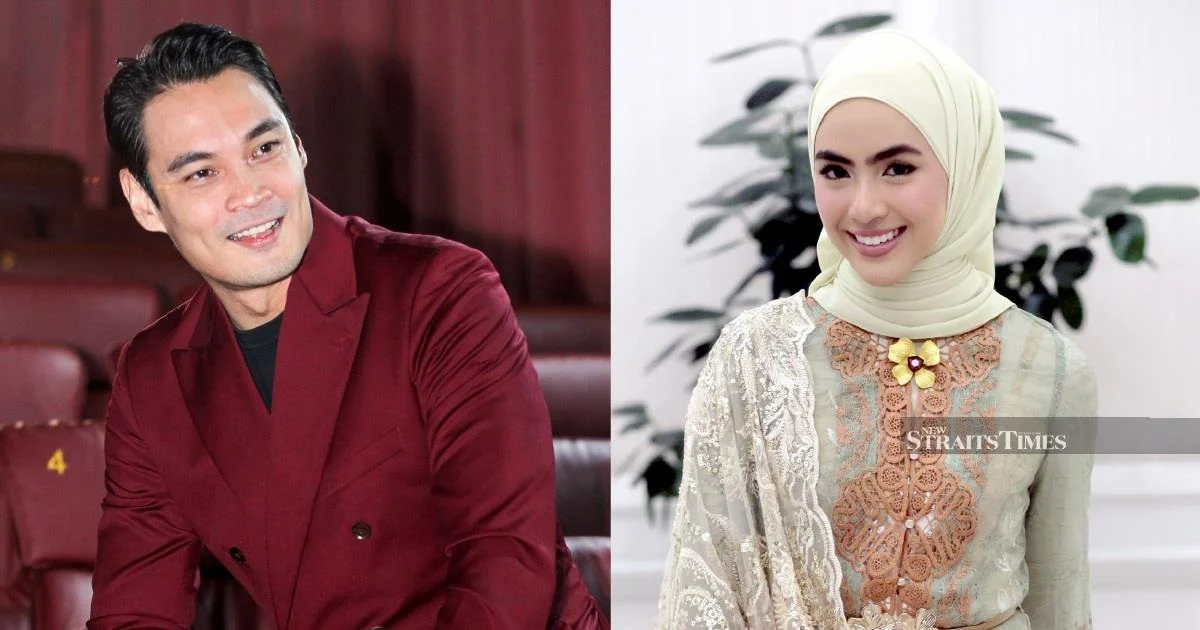
Malaysian actor Hisyam Hamid has come forward to denounce circulating claims that linked him romantically or personally to visiting the residence of fellow actress Erysha Emyra, calling the narrative entirely without foundation. The allegation surfaced and rapidly gained traction on the social media platform Threads, sparking speculation among entertainment enthusiasts and drawing unwanted attention to both performers involved in the unfounded narrative.
In his public statement, Hisyam expressed genuine disappointment at discovering his name entangled in what he characterised as baseless gossip lacking any factual grounding. The actor's response highlights a persistent challenge within Malaysia's entertainment industry, where unverified claims can achieve substantial visibility through social media channels before truth or denial gain meaningful traction. His decision to address the matter directly reflects an increasingly common strategy among public figures seeking to control narratives before they become entrenched in public perception.
The incident underscores the particular vulnerability of Malaysian entertainment personalities to rapid-fire rumourmongers operating across digital platforms. Threads, Meta's text-based social networking application, has emerged as a venue where entertainment gossip circulates with minimal editorial oversight or verification requirements. The platform's algorithm-driven distribution system can amplify unsubstantiated claims to thousands of users within hours, creating significant reputational risks for those named in such posts.
For Malaysian actors navigating contemporary celebrity culture, such situations present a frustrating paradox. Remaining silent risks allowing false narratives to solidify and spread unchecked through repeated sharing and commentary. Yet engaging directly with allegations can inadvertently give them additional oxygen and visibility. Hisyam's choice to publicly refute the claims represents one approach to managing the situation, though the effectiveness of such denials in the digital age remains contested among media observers and public relations professionals.
The broader context of this incident reflects wider entertainment industry anxieties about social media's role in shaping public discourse. Established Malaysian entertainment figures have increasingly found themselves subject to invasive speculation about their personal lives, romantic entanglements, and private movements. The democratisation of information-sharing through platforms like Threads means that anyone can generate or amplify gossip without consequence, accountability, or verification.
From a regional perspective, Malaysia's entertainment sector operates within a particularly sensitive social environment where personal conduct carries significant implications for professional opportunities and public standing. Religious and cultural sensitivities compound these concerns, making false personal allegations especially damaging to careers and reputations. Unfounded rumours suggesting impropriety can affect casting decisions, brand partnerships, and audience perception in ways that extend far beyond simple embarrassment.
The case involving Hisyam and the allegations about Erysha Emyra exemplifies how digital rumour mills operate with minimal friction. Without traditional gatekeepers like established media outlets, false narratives can proliferate unchecked, forced only to retreat once directly contradicted by the individuals involved. Yet even public denials struggle to fully erase the digital footprint of such claims or prevent their recycling across multiple platforms and among different audience segments.
Both performers affected by this rumour face continued potential harassment or speculation, a common occupational hazard for Malaysian celebrities working in an intensified media environment. The episode raises persistent questions about digital responsibility and the distinction between entertainment journalism and unfounded gossip disguised as entertainment content. Readers and social media users encounter considerable difficulty distinguishing credible reporting from pure speculation, particularly when sensational claims appear repeatedly across multiple accounts and platforms.
Looking forward, Hisyam's public response may encourage greater scrutiny of unverified claims circulating on social media platforms popular among Malaysian audiences. However, systemic change would require more robust standards among digital platforms themselves, greater media literacy among users, and perhaps legislative or industry-level action. Until such changes materialise, Malaysian entertainers will likely continue confronting waves of baseless allegations with limited recourse beyond public denial and the hope that factual correction eventually reaches the same audience that encountered the original false claims.