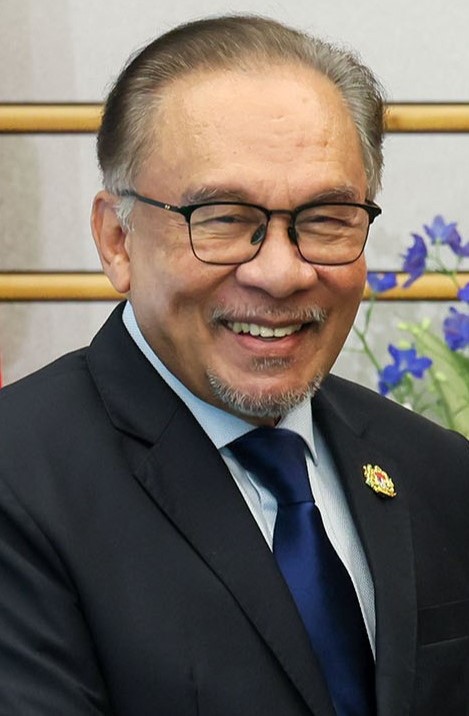
Dr Haim Hilman Abdullah, the elected assemblyman representing Jitra, will make his court appearance at the Seremban magistrate's court on charges stemming from claims he previously made regarding access to higher education opportunities. The development marks a significant moment in Malaysian politics, where public statements by elected representatives about education pathways have come under legal scrutiny.
The charges against the Jitra assemblyman relate specifically to allegations connected with remarks he made concerning university admission procedures. While details surrounding the exact nature of these claims remain subject to ongoing legal proceedings, the case has drawn attention to the broader question of how politicians publicly discuss sensitive matters related to tertiary education access in Malaysia.
University admission in Malaysia remains a contentious issue, with long-standing debates about equity, merit, and access across different demographic groups. Statements made by political figures about pathways into higher education institutions carry particular weight given their platform and influence on public discourse. The decision to charge a state representative over such claims underscores the seriousness with which authorities are treating the matter.
Seremban magistrate's court, located in Negeri Sembilan's capital, will serve as the venue for these proceedings. The choice of venue may relate to where relevant events occurred or where the alleged false claims were disseminated. Magistrate's courts in Malaysia handle a wide range of cases, including those involving potential breaches of electoral law, defamation, or misuse of elected office.
For Perak state politics, this case introduces uncertainty regarding representation in the Jitra constituency. Should the charges proceed, they could potentially impact the assemblyman's ability to carry out his duties or maintain his position, depending on the severity of any conviction. The Jitra seat is located in Kedah, and its political dynamics have been closely watched as part of broader Malaysian political developments in the north.
The allegations touching on university admission access are particularly significant given Malaysia's ongoing efforts to balance meritocratic principles with social equity considerations in tertiary education. Public figures making claims about pathways into universities—whether suggesting preferential treatment, ease of access, or other advantages—must ensure accuracy, as misleading statements can undermine institutional credibility and public trust in the education system.
This case also reflects Malaysia's legal framework governing public statements by elected officials. While politicians possess considerable freedom to speak on matters of public interest, that freedom is not absolute and can intersect with laws concerning defamation, misrepresentation, and potentially criminal falsehood. The prosecution's decision to pursue charges suggests authorities determined sufficient grounds existed to proceed.
The timing of the court appearance and any subsequent developments will be closely monitored by political analysts, education advocates, and constituency constituents. In Malaysian politics, legal proceedings involving elected representatives often attract substantial media attention and public interest, particularly when they concern matters as fundamental as access to education.
For Malaysian readers, this case illustrates the complex intersection between political speech, legal accountability, and public interest. While elected representatives must be free to engage in robust debate about policy matters including education, they remain bound by legal standards regarding the accuracy and propriety of their public statements. The outcome of Dr Haim Hilman's court proceedings may have broader implications for how politicians navigate discussions about sensitive social policy areas.
The education sector itself has a stake in these proceedings, as charges related to university admission claims touch directly on institutional integrity and public perception of tertiary education access mechanisms. Malaysia's universities and higher education agencies have their own interests in ensuring public discourse about admission remains grounded in fact and free from misleading claims that could damage confidence in the system.
As the case proceeds through the court system, observers will note whether this represents a singular instance or part of a broader pattern of legal action against politicians making claims about education access. The precedent set by this case could influence how future public figures discuss university admission pathways and related educational opportunities.
The appearance at Seremban magistrate's court marks the formal beginning of judicial proceedings that will determine the validity of the allegations and the appropriate response under Malaysian law. All parties involved, including the assemblyman, will have opportunity to present their positions before the court.