%22%2F%3E%3C%2Fpattern%3E%3C%2Fdefs%3E%3Crect%20width%3D%22100%25%22%20height%3D%22100%25%22%20fill%3D%22url(%23ph4cagng)%22%2F%3E%3Crect%20width%3D%22100%25%22%20height%3D%22100%25%22%20fill%3D%22url(%23ph4cagnp)%22%2F%3E%3Ctext%20x%3D%2250%25%22%20y%3D%2250%25%22%20text-anchor%3D%22middle%22%20dominant-baseline%3D%22central%22%20fill%3D%22rgba(255%2C255%2C255%2C0.95)%22%20font-family%3D%22Georgia%2C%20'Times%20New%20Roman'%2C%20serif%22%20font-weight%3D%22700%22%20font-size%3D%22272%22%20letter-spacing%3D%22-0.02em%22%3EJohor%3C%2Ftext%3E%3C%2Fsvg%3E)
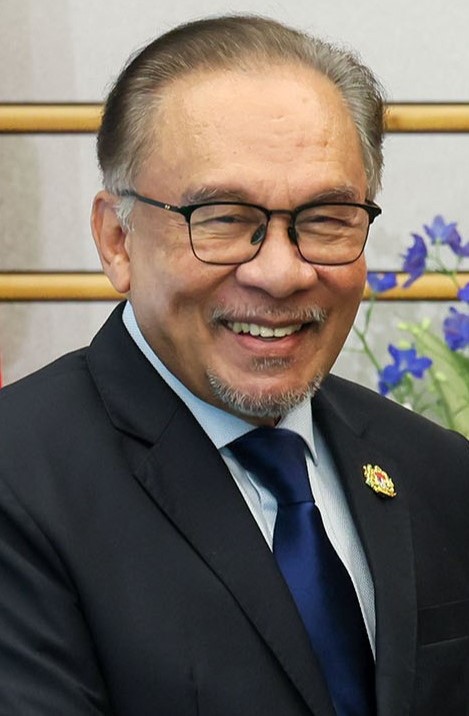
Prime Minister Datuk Seri Anwar Ibrahim has highlighted a significant financial commitment to Johor's development, revealing that the federal government has distributed RM16 billion to the state through various initiatives since 2023, surpassing the RM14 billion in revenue the state contributed to federal coffers during the same period. Speaking at a Pakatan Harapan candidate announcement event in Tangkak on June 22, Anwar, who also holds the Finance Minister portfolio, emphasised the importance of presenting this fiscal picture to demonstrate the government's dedication to advancing Johor's interests.
The disclosure comes at a critical juncture as Johor prepares for state elections, with Anwar using financial data to substantiate claims of enhanced federal support under the MADANI Government. The RM2 billion differential between allocations returned and revenue collected reflects a deliberate policy shift aimed at channelling resources toward peninsular states beyond the traditional East Malaysian focus, signalling a recalibration of federal fiscal priorities that carries implications for how development funds are distributed across the nation.
Anwar's comparison of spending patterns before and after the current administration underscores a measurable increase in support for Johor's operational needs. During the previous government's tenure, Johor received between RM6 billion and RM7 billion annually for operating expenditure. Under the MADANI Government, this allocation has expanded to RM8.7 billion—a substantial rise that Anwar attributes to prioritising the state's development agenda and residents' welfare. This year-on-year increase, though modest in percentage terms, translates into approximately RM1.7 to RM2.7 billion in additional annual resources available for state government operations.
Development expenditure has experienced even more pronounced growth, climbing from RM2.3 billion in 2022 to RM4.8 billion projected for 2026. This more than doubling of capital investment signals an acceleration in infrastructure projects and long-term development initiatives that can reshape Johor's economic landscape. Such capital-intensive spending typically targets major public works, educational institutions, healthcare facilities, and industrial zones—investments with lasting consequences for state competitiveness and quality of life.
Within the broader national allocation framework, Johor ranks as the third-largest recipient of combined operating and development expenditure, positioned after Sabah and Sarawak. This ranking reflects constitutional and historical factors favouring East Malaysian states, yet Johor's position as the leading peninsular state demonstrates its strategic importance to federal development planning. The state's demographic size, economic output, and geographic proximity to the Klang Valley corridor make it integral to national growth objectives.
Beyond conventional budget allocations, Johor has secured substantial assistance through social welfare programmes targeted at lower-income households. The state ranks second nationally in disbursements under Sumbangan Tunai Rahmah and Sumbangan Asas Rahmah initiatives, trailing only Selangor. These direct cash transfers, introduced as part of the government's cost-of-living relief strategy, represent another dimension of federal commitment extending beyond infrastructure into immediate household financial support.
For Malaysian readers assessing federal fiscal fairness, these figures invite deeper scrutiny. The relationship between revenue contributions and allocation returns varies significantly across states, reflecting differing economic bases and population distributions. Johor's net positive return—receiving more than it contributes—contrasts with wealthier federal territories and industrialised states, which typically subsidise development in less economically advanced regions. This redistributive mechanism embodies a fundamental tension in federal systems between economic efficiency and equity.
The timing of Anwar's announcement carries strategic political weight ahead of Johor state elections. By quantifying federal support through concrete figures, the government constructs a narrative of competence and commitment that appeals to voters evaluating incumbent performance. Opposition parties will likely counter with alternative interpretations of these data, questioning whether allocated funds have translated into tangible improvements in infrastructure quality, service delivery, or employment creation—distinctions invisible in aggregate budget figures.
For Southeast Asian observers tracking Malaysia's fiscal federalism, these trends illustrate how coalition governments navigate resource distribution among constituent political territories. The MADANI Government's apparent willingness to increase allocations to Johor, despite Pakatan Harapan's weaker presence in state government historically, suggests prioritisation of strategic economic zones and population centres over purely partisan considerations. This approach contrasts with accusations that previous administrations favoured politically-aligned states, potentially representing a more meritocratic allocation philosophy.
The escalation in development spending warrants attention from infrastructure investors and business observers. A jump from RM2.3 billion to RM4.8 billion in capital expenditure creates opportunities across construction, engineering, and project management sectors. Major projects in Johor—whether port modernisation initiatives, industrial park development, or educational infrastructure—can generate economic multiplier effects throughout Southeast Asia's supply chains, given the state's regional trade significance.
Looking forward, sustainability of these increased allocations depends on federal revenue growth and budget constraints. Malaysia's fiscal deficit and debt servicing obligations create pressures that could limit real increases in future years. Johor's ability to absorb and effectively deploy RM4.8 billion in annual development spending also poses implementation challenges, requiring efficient project management and coordination between federal and state authorities.
Anwar's emphasis on transparency through financial disclosure reflects broader governance reform objectives. Providing detailed breakdowns of fiscal transfers addresses historical complaints about opaque budget processes and unequal regional treatment. Whether this transparency extends to project outcomes—measuring actual returns on invested capital in terms of economic growth, employment, or infrastructure quality—remains an open question that will ultimately determine whether increased allocations translate into substantive development benefits for Johor residents and the nation's economic trajectory.