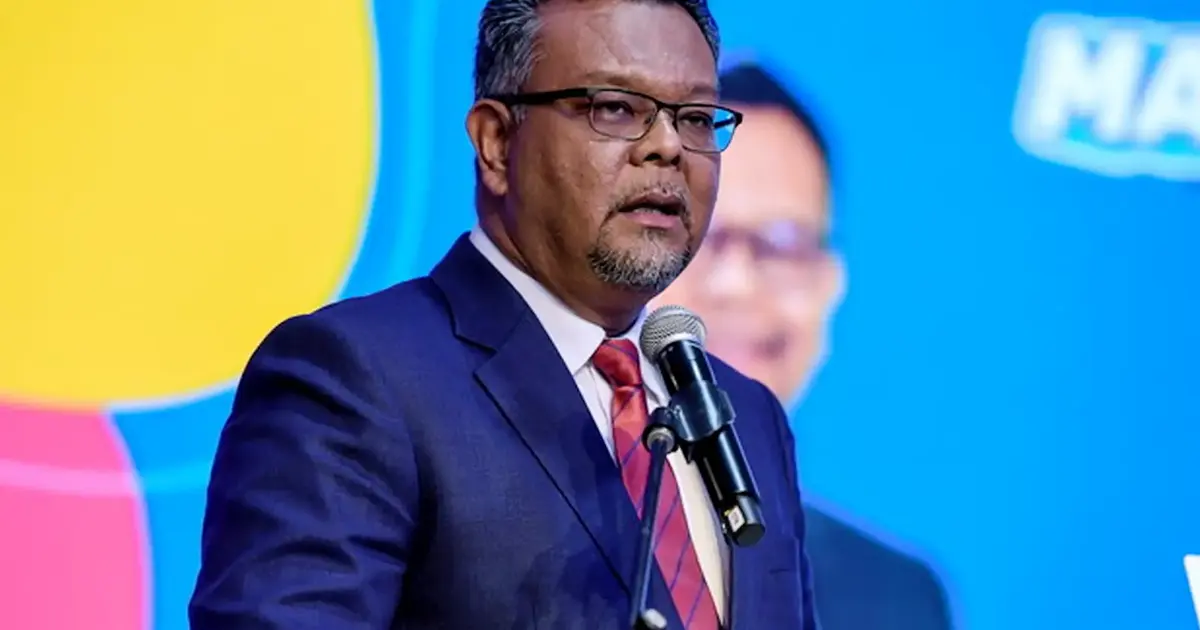
A senior administrative figure in Kedah will appear in court tomorrow to face charges connected to statements made regarding university admission procedures, marking an escalation in a controversy that has drawn public attention to educational equity concerns in the state. Haim Hilman Abdullah, who holds an executive councillor position in the Kedah state government, has consistently maintained his commitment to transparency and public discourse on what he describes as crucial matters affecting the nation's higher education system.
The forthcoming legal action represents a significant moment in Malaysian political life, where questions about university entrance criteria and admissions processes have become increasingly contentious. These disputes often intersect with broader conversations about meritocracy, institutional fairness, and the role of state governments in overseeing educational standards. For Kedah residents and broader observers of Malaysian governance, the case underscores how conflicts between political actors and regulatory authorities can become vehicles for public debate on sensitive policy matters.
Haim Hilman Abdullah's explicit resolve to continue articulating his position—despite facing legal jeopardy—signals his assessment that the underlying issues transcend personal political considerations. His determination to remain vocal suggests he views his statements as contributions to legitimate public discourse rather than mere political positioning. This stance places him at odds with whatever institutional or legal mechanisms have prompted the charges, creating a tension between individual expression rights and formal accountability procedures that resonates throughout Malaysia's political ecosystem.
The timing of the charges and the nature of the allegations remain subjects of considerable interest within Kedah's political circles. State-level disputes involving educational administration frequently contain ramifications extending to federal levels, particularly when they touch upon governance standards and transparency expectations. The case may influence how other officials navigate similar situations, potentially establishing precedent regarding what constitutes permissible public commentary on sensitive institutional matters.
University admissions in Malaysia have historically been areas where multiple stakeholder groups—including civil society organizations, parent groups, and education experts—maintain active interest and occasionally conflicting perspectives. Questions about admission standards, selection criteria, and institutional decision-making processes often involve competing values around merit, equity, and representation. When political figures become publicly engaged with these debates, they inevitably attract closer scrutiny and heightened legal risks, particularly if their statements carry implications about systemic irregularities or institutional failings.
The relationship between Kedah's state administration and questions of educational governance touches upon fundamental issues about regional autonomy and centralized standards. State executives responsible for education coordination or oversight often operate within complex frameworks where federal guidelines intersect with state-level implementation, creating potential friction points between different levels of administration. Disputes emerging from this space can become politically charged, particularly when they involve allegations touching upon procedural integrity or adherence to established guidelines.
Public figures facing legal challenges frequently employ rhetoric emphasizing principled commitment to truth-telling and transparency, regardless of personal consequences. Haim Hilman Abdullah's invocation of this language reflects widespread understanding that Malaysian audiences often respond positively to displays of principled resolve. Whether such rhetoric influences public perception of the underlying substantive issues remains contested, though political observers recognize that presentation and framing significantly shape how disputes are understood beyond courtroom proceedings.
The charges themselves will presumably become public through court filings and judicial proceedings, enabling scrutiny from media outlets, civil society observers, and political analysts. This transparency mechanism ensures that whatever specific allegations prompted the action cannot remain entirely opaque to informed public discourse. Such visibility distinguishes this situation from purely administrative disciplinary processes and elevates its significance within broader conversations about governance accountability.
For Malaysia's regional context, particularly Southeast Asian peers experiencing their own governance challenges, cases like this illuminate perennial tensions between administrative authority and individual expression rights. How Malaysia's courts ultimately adjudicate this matter may send signals about the boundaries of permissible political speech touching upon institutional operations—signals watched closely by activists, journalists, and officials throughout the region.
The weeks and months ahead will reveal whether Haim Hilman Abdullah successfully maintains his commitment to public discourse on these matters while navigating legal proceedings. His case exemplifies how Malaysian politics increasingly forces officials to choose between strategic silence and principled but risky engagement with controversial public issues. The outcome may influence not only his personal political trajectory but also broader patterns regarding how Malaysian officials approach statements touching upon institutional procedures and governance standards.