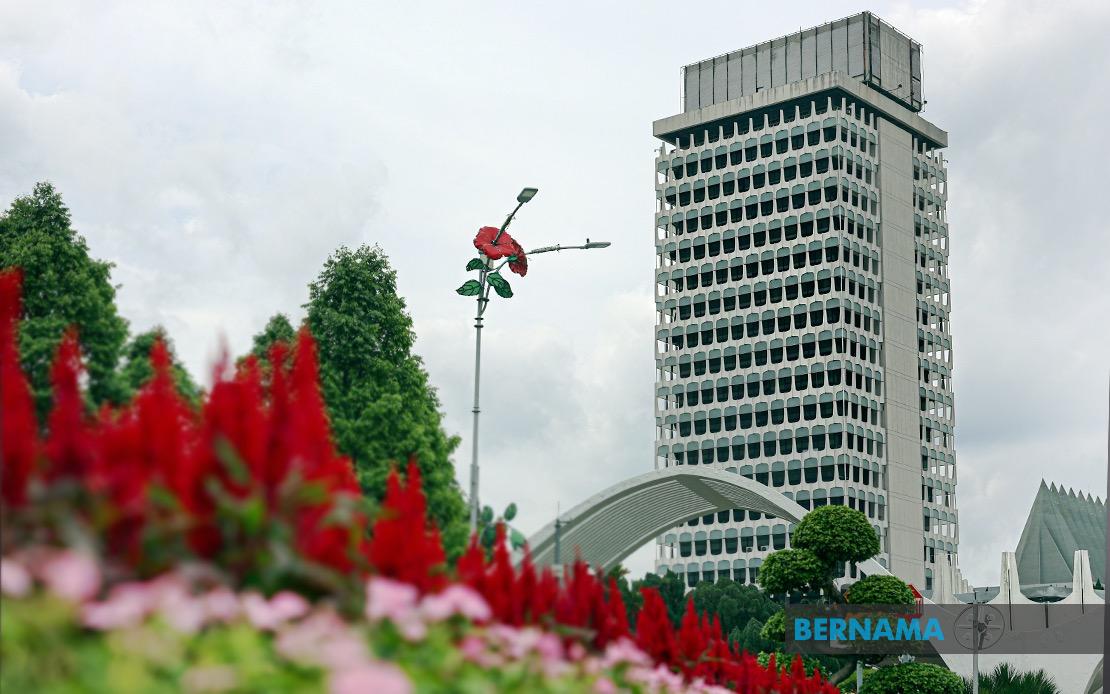
Malaysia's legislative calendar advanced significantly on June 22 when His Majesty Sultan Ibrahim, King of Malaysia, granted royal assent to eight bills that had navigated the parliamentary process during the first meeting of the fifth session of the 15th Parliament. The formal approval was announced by Dewan Rakyat Speaker Tan Sri Johari Abdul at the start of question time in the lower house, marking the culmination of legislative work conducted between January 19 and March 3.
Among the eight measures receiving royal assent, the Government Procurement Act 2025 stands out as a comprehensive overhaul of how federal and state authorities manage public spending. This legislation modernises procurement frameworks that have remained largely unchanged for decades, with implications extending across the civil service, healthcare, education, and defence sectors. The updated framework is intended to enhance transparency, reduce bureaucratic inefficiencies, and strengthen competitive bidding processes that should ultimately yield better value for taxpayers while supporting local businesses competing for government contracts.
Two companion bills addressing Malaysia's border and travel systems also received approval: the Immigration (Amendment) Act 2025 and the Passports (Amendment) Act 2025. These legislative adjustments represent the government's effort to strengthen immigration administration and streamline passport services in an era of heightened security concerns and increased cross-border mobility. The measures come at a moment when Southeast Asian nations are collectively enhancing border security protocols and identity verification systems, making these amendments particularly timely for a country that serves as a significant transportation and commerce hub in the region.
The International Settlement Agreements Resulting from Mediation Act 2025 introduces a new legal framework for resolving commercial and civil disputes through mediation rather than protracted court battles. This legislation positions Malaysia competitively alongside regional peers such as Singapore and Thailand in offering alternative dispute resolution mechanisms that appeal to international investors and multinational corporations seeking efficient, cost-effective pathways to settling disagreements without engaging in lengthy litigation.
Perhaps the most symbolically significant measure approved was the Johor Bahru-Singapore Rapid Transit System (RTS) Link Act 2026. This legislation formalises the bilateral infrastructure project connecting Johor Bahru with Singapore's transport network, a development with ramifications extending well beyond mere transportation convenience. The act establishes the legal and regulatory framework for operating what will become Southeast Asia's most strategically important cross-border transit corridor, facilitating labour mobility, economic integration, and daily commuting patterns that bind the two neighbouring economies even more tightly together. For Malaysian workers employed in Singapore and Singaporean professionals working in Johor, the RTS Link promises to reshape residential and employment patterns across the Johor Strait.
The Capitation Grant Act 2026 addresses funding mechanisms for educational institutions, likely streamlining how per-capita grants are allocated to schools and colleges across the country. This legislative adjustment potentially offers greater flexibility in how institutions utilise government funding while establishing clearer accountability measures, making it easier for schools to adapt resource allocation to local circumstances and emerging educational priorities.
Environmental quality standards received renewed attention through the Environmental Quality (Amendment) Act 2026, which presumably strengthens Malaysia's arsenal of environmental protection tools at a time when the nation faces intensifying pressures from rapid urbanisation, industrial expansion, and climate change impacts. Enhanced environmental legislation becomes increasingly critical as Malaysia positions itself as a regional leader in sustainable development and green technology adoption, with implications for everything from air and water quality management to biodiversity conservation.
The Supplementary Supply (2025) Act 2026 completes the list of approved measures, providing additional budgetary allocations for government operations and programmes that required supplementary funding beyond initial appropriations. Such mechanisms are standard practice in parliamentary systems, allowing governments to respond to unanticipated expenditure needs during the fiscal year.
In a related development, Johari also informed the house that the Employment Insurance System (Amendment) Bill 2025 had successfully passed through the Dewan Negara, Malaysia's upper chamber, albeit with amendments made to Clause 11. This additional approval signals progress in strengthening worker protections and insurance coverage mechanisms, though the specific nature of amendments to Clause 11 warrants closer examination to understand how these changes might affect employee benefits, employer contributions, or claims procedures.
The royal assent granted to these eight bills reflects the government's legislative agenda spanning multiple policy domains—from procurement reform and border management to infrastructure development and labour protection. The breadth of these measures demonstrates Parliament's engagement with both routine administrative modernisation and ambitious strategic infrastructure projects. For Malaysian stakeholders across business, labour, education, and environmental sectors, these bills represent tangible manifestations of government priorities that will shape regulatory environments, operational frameworks, and public service delivery for years ahead.