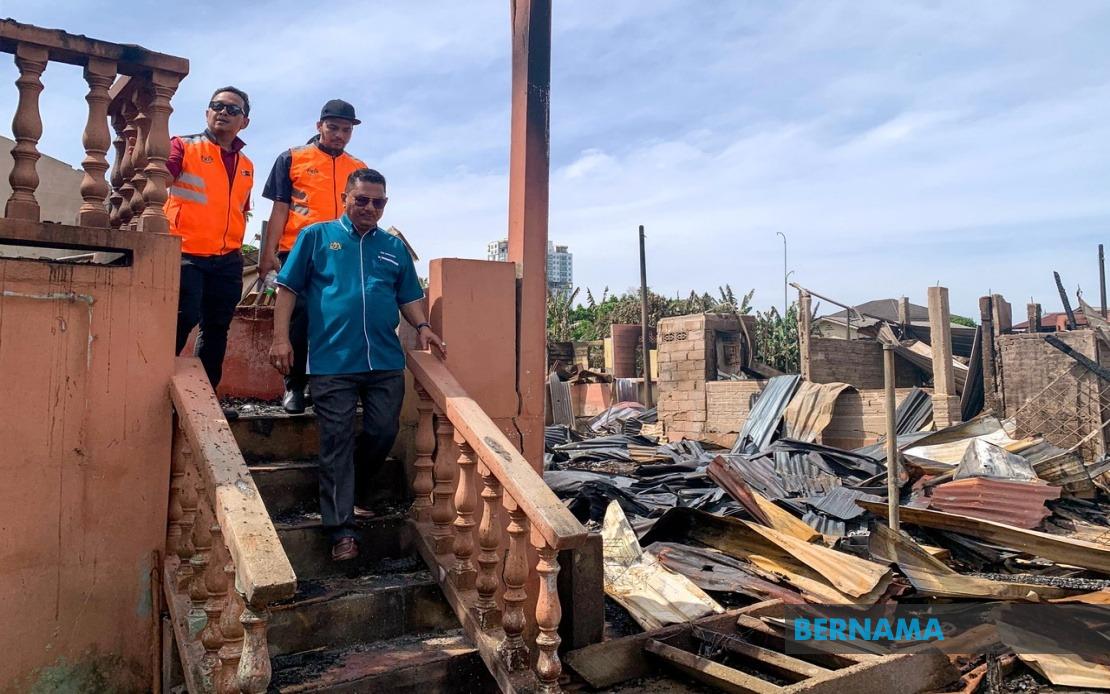
A devastating fire that swept through Kampung Gok Kapur in Kota Bharu on June 8, destroying 27 residential structures and displacing over a hundred villagers, originated from a simple but catastrophic act of carelessness: burning a pile of papers in a kitchen using an open flame. The Kelantan Fire and Rescue Department has concluded its investigation into the incident, pinpointing the exact cause and mechanism of how a localised burning activity escalated into a major conflagration affecting an entire settlement.
Kelantan's Fire and Rescue Department director Farhan Sufyan Borhan detailed the forensic findings during a statement to media in Kota Bharu. The department's Fire Investigation Forensic Unit had meticulously reconstructed the sequence of events leading to the disaster. According to the investigation, a resident had taken a gas lighter directly to a pile of papers in the kitchen of one house, creating an open flame source that was never intended to be left unattended or allowed to spread beyond the immediate burning task.
Once ignited, the papers quickly ignited surrounding flammable materials in the kitchen environment—a space typically filled with combustible items ranging from cooking materials to household supplies. The initial fire, confined to a single kitchen, began consuming the structural elements of the house itself. Within minutes, flames breached the confines of the original building and spread to adjacent residential structures, feeding on wooden frameworks and flammable materials common in many village homes across Malaysia. What had begun as an isolated burning activity transformed into an uncontrollable blaze through a cascade of fire spread.
The investigation team's analysis of physical evidence and witness statements substantiated the department's conclusions. The pattern of fire damage, residual materials, and eyewitness accounts all corroborated the theory that negligence—rather than any electrical fault, gas leak, or accidental source—lay at the heart of the disaster. Someone had made a choice to burn papers indoors using an inappropriate method, without considering the volatile nature of open flames in residential spaces or the proximity of other homes.
Farhan Sufyan Borhan was explicit in characterising the fire's cause: negligence. This determination carries significant implications because it moves beyond accidental circumstances into the realm of preventable human error. The investigation did not attribute the fire to faulty appliances, structural defects, or unforeseeable circumstances. Instead, it revealed a preventable tragedy stemming from unsafe burning practices conducted in an environment never designed for such activity. The findings underscore how rapidly domestic fire incidents can spiral when basic safety precautions are ignored.
The investigation report now moves into the hands of police and other relevant authorities for potential legal action or further proceedings if warranted. This transition from fire investigation to potential prosecution reflects the seriousness with which such negligence-driven disasters are treated under Malaysian law. Depending on the jurisdiction's regulations and the degree of negligence established, responsible parties could face charges ranging from causing damage through negligent conduct to more serious criminal charges given the scale of the incident.
The human cost of the Gok Kapur fire extended well beyond the destruction of physical structures. A total of 110 villagers found themselves suddenly homeless, their properties destroyed and their lives disrupted. Fortunately, no deaths or injuries were reported from the incident—a mercy that could easily have been otherwise given the fire's intensity and rapid spread. The displaced residents were accommodated in a temporary evacuation centre established at the nearby Mukim Banggol Mosque, which provided emergency shelter while authorities and community organisations worked to coordinate relief efforts.
The disaster highlights a persistent vulnerability in Malaysian residential communities, particularly in villages and kampungs where traditional wooden structures remain common. The close proximity of houses, often typical in village settlements, means that fire containment becomes nearly impossible once flames spread beyond the point of origin. A single household's unsafe practice becomes a communal catastrophe within moments. This reality underscores why fire safety campaigns frequently emphasise prevention and awareness rather than relying on emergency response capabilities alone.
Firefighting authorities have seized upon the investigation's conclusions to reiterate crucial safety advice to the public. The department explicitly warned against using open flame sources for burning activities anywhere near residential areas. Whether in kitchens, yards, or adjacent outdoor spaces, the risks of ignition, spread, and loss of control remain consistently high. Farhan Sufyan Borhan called on Malaysians to exercise caution with open flames and to abandon burning practices in or near homes entirely, instead utilising safer alternatives for waste disposal or material burning when necessary.
The broader context of this incident reflects patterns observed in fire safety across the region. Many Southeast Asian communities still rely on informal burning practices for waste disposal or material destruction, often without fully internalising the fire risks involved. As urban density increases and residential areas become more closely packed, the margin for error diminishes proportionally. What might have been a contained incident in an isolated location becomes a multi-house disaster in typical village or suburban settings.
For Kelantan residents and communities across Malaysia, the Gok Kapur fire serves as a sobering reminder of how quickly normalised practices can turn catastrophic. The investigation's conclusion—that the fire resulted purely from negligence in burning papers—removes any element of mystery or unavoidability. This was a preventable disaster. The challenge now lies in translating such findings into genuine behavioural change, ensuring that residents throughout the country recognise the genuine dangers posed by open flames and indoor burning activities, and make the conscious choice to adopt safer alternatives.