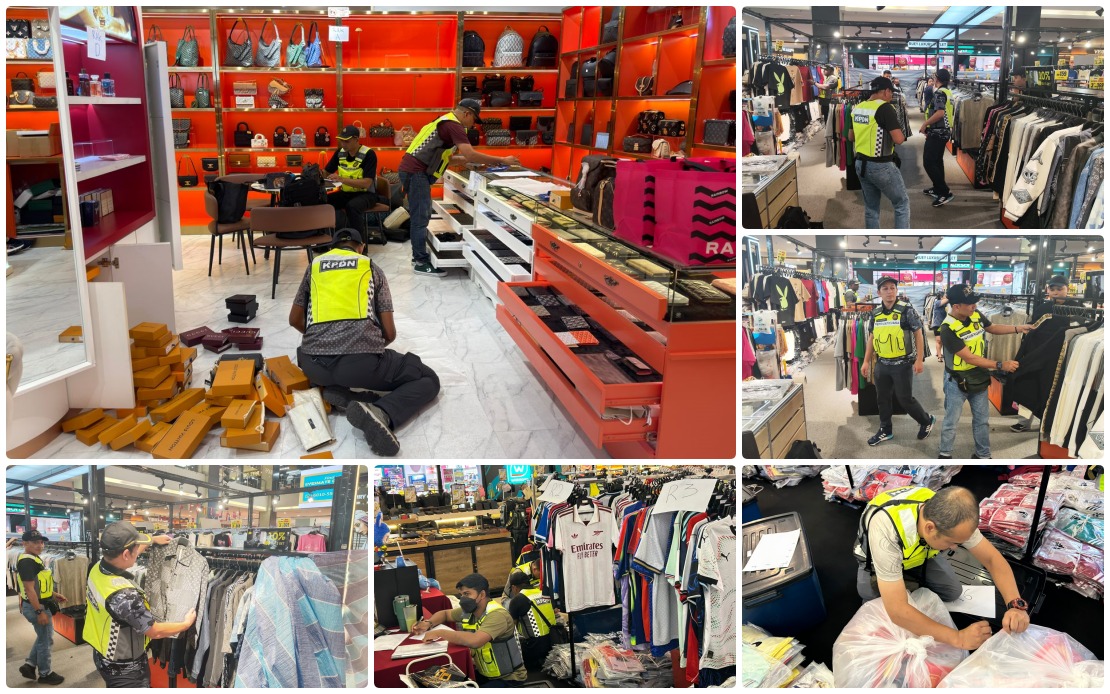
The Ministry of Domestic Trade and Cost of Living (KPDN) has struck a significant blow against intellectual property theft, executing coordinated raids at three separate premises in Johor Bahru on June 15 that resulted in the seizure of counterfeit merchandise valued at RM600,000. The enforcement action, announced by enforcement director-general Datuk Azman Adam, represents an escalating commitment to combat organised counterfeiting networks that have increasingly infiltrated Malaysia's retail landscape, particularly through major supermarket chains and distribution channels.
The investigation leading to these raids spanned approximately one month, during which KPDN's Putrajaya Enforcement Division gathered intelligence on traders suspected of operating at significant retail outlets while simultaneously functioning as distributors to other commercial entities. This dual-channel distribution model is characteristic of sophisticated counterfeiting operations that attempt to maximise market penetration while obscuring supply chains. The breadth of the operation suggests these traders were not merely small-scale operators but rather key nodes in a larger network designed to move substantial volumes of illicit goods through legitimate-appearing retail settings.
The confiscated items encompassed a wide array of luxury goods categories, including counterfeit clothing, handbags, wallets, belts, and perfumes bearing unauthorised trademark applications. The seizure also extended to business documentation and records, which will likely prove instrumental in identifying upstream suppliers and downstream customers. This documentary evidence could unravel the entire distribution chain, potentially exposing connections to other counterfeiting operations across the region. For Malaysian consumers, the breadth of product categories highlights the pervasiveness of the problem across fashion, accessories, and personal care segments.
Four individuals associated with the premises were detained for further investigation, including the proprietor and a caretaker responsible for day-to-day operations. Their involvement suggests direct knowledge of the counterfeit nature of merchandise, distinguishing this case from scenarios where premises owners claim ignorance of tenant activities. The targeting of management-level personnel indicates KPDN's strategic approach to dismantling operations by pursuing those who exercise operational control rather than merely street-level vendors.
The legal framework underpinning these actions derives from Section 102(1)(c) of the Trademark Act 2019, which criminalises possession, custody, or control of goods bearing wrongfully applied trademarks with intent for commercial distribution. Initial inspections and verification by representatives of the trademark complainants established sufficient grounds to invoke this statute. The involvement of brand owners in the investigative process strengthens the evidentiary foundation and ensures enforcement actions align with the commercial interests most harmed by counterfeiting.
Penalties under the Trademark Act 2019 escalate substantially based on offence history and entity type. Individual offenders face maximum fines of RM10,000 per counterfeit item or imprisonment up to three years for initial offences, doubling to RM20,000 per item or five years imprisonment for repeat violations. Corporate entities encounter even steeper consequences, with maximum fines of RM15,000 per item initially and RM30,000 thereafter. Given the RM600,000 seizure value, potential liability calculations multiply rapidly when liability is assessed per individual item rather than in aggregate, creating substantial deterrent effects for future operation attempts.
The sophistication of penalties reflects recognition that counterfeiting constitutes far more than simple trademark infringement; it represents consumer deception, revenue theft from legitimate businesses, and potential public health risks when counterfeits involve pharmaceuticals, cosmetics, or food products. Malaysian consumers purchasing counterfeit perfumes or personal care items face unknown chemical compositions and absent quality controls, exposing themselves to potential allergic reactions or skin damage. The broader economy suffers as counterfeit operations suppress demand for legitimate products and displace genuine retail employment.
KPDN's commitment to intensified enforcement operations signals a policy shift toward proactive investigation rather than reactive complaint-based enforcement. Monthly-long intelligence operations require substantial resource allocation and inter-agency coordination, suggesting the ministry is elevating counterfeiting from a low-priority minor infraction to a criminal enterprise warranting serious investigative attention. This approach aligns with regional trends as Singapore, Thailand, and Indonesia similarly expand anti-counterfeiting capabilities amid rising e-commerce enabling illicit distribution channels.
For Malaysian business operators and consumers, these enforcement actions carry important implications. Legitimate retailers should strengthen supply chain verification procedures to prevent inadvertent merchandise commingling, as recent enforcement actions have occasionally ensnared retailers unaware of supplier activities. Consumers purchasing from informal channels or suspiciously discounted outlets should exercise heightened scrutiny, particularly for luxury goods where counterfeits represent prevalent market segments. The enforcement environment is shifting toward prosecution rather than mere confiscation, making participation in counterfeit distribution networks substantially riskier for all parties involved.
The case also underscores Malaysia's commitment to intellectual property protection, a cornerstone of the Digital Economy Framework and bilateral trade agreements with premium trading partners. Strong enforcement against counterfeiting demonstrates compliance with international standards, potentially influencing trade negotiations and investment decisions by multinational brands. Foreign companies considering regional headquarters in Malaysia benefit from assurance that trademark investments receive meaningful protection, thereby incentivising legitimate business establishment and employment creation.
Looking forward, the seizure patterns and distribution channels identified during this operation will inform KPDN's resource allocation strategies. The concentration of activity at major supermarket locations suggests that formal retail establishments warrant increased monitoring, contradicting assumptions that counterfeits remain confined to informal markets and street vendors. Future enforcement operations will likely intensify scrutiny of supplier verification protocols at legitimate retailers, potentially requiring broader industry compliance initiatives beyond simple law enforcement interventions.
The involvement of trademark owners' representatives in verification processes establishes a collaborative enforcement model that leverages brand companies' product expertise and damage assessments. This public-private partnership approach enables more efficient resource utilisation and ensures enforcement actions target genuinely counterfeit merchandise rather than legitimate grey-market imports. As counterfeiting networks become increasingly sophisticated, such collaborative frameworks will become essential for maintaining enforcement effectiveness against resourced criminal organisations.

%22%2F%3E%3C%2Fpattern%3E%3C%2Fdefs%3E%3Crect%20width%3D%22100%25%22%20height%3D%22100%25%22%20fill%3D%22url(%23pheyg6g)%22%2F%3E%3Crect%20width%3D%22100%25%22%20height%3D%22100%25%22%20fill%3D%22url(%23pheyg6p)%22%2F%3E%3Ctext%20x%3D%2250%25%22%20y%3D%2250%25%22%20text-anchor%3D%22middle%22%20dominant-baseline%3D%22central%22%20fill%3D%22rgba(255%2C255%2C255%2C0.95)%22%20font-family%3D%22Georgia%2C%20'Times%20New%20Roman'%2C%20serif%22%20font-weight%3D%22700%22%20font-size%3D%22226%22%20letter-spacing%3D%22-0.02em%22%3ERussia%3C%2Ftext%3E%3C%2Fsvg%3E)
%22%2F%3E%3C%2Fpattern%3E%3C%2Fdefs%3E%3Crect%20width%3D%22100%25%22%20height%3D%22100%25%22%20fill%3D%22url(%23ph74p9g)%22%2F%3E%3Crect%20width%3D%22100%25%22%20height%3D%22100%25%22%20fill%3D%22url(%23ph74p9p)%22%2F%3E%3Ctext%20x%3D%2250%25%22%20y%3D%2250%25%22%20text-anchor%3D%22middle%22%20dominant-baseline%3D%22central%22%20fill%3D%22rgba(255%2C255%2C255%2C0.95)%22%20font-family%3D%22Georgia%2C%20'Times%20New%20Roman'%2C%20serif%22%20font-weight%3D%22700%22%20font-size%3D%22226%22%20letter-spacing%3D%22-0.02em%22%3EPolice%3C%2Ftext%3E%3C%2Fsvg%3E)