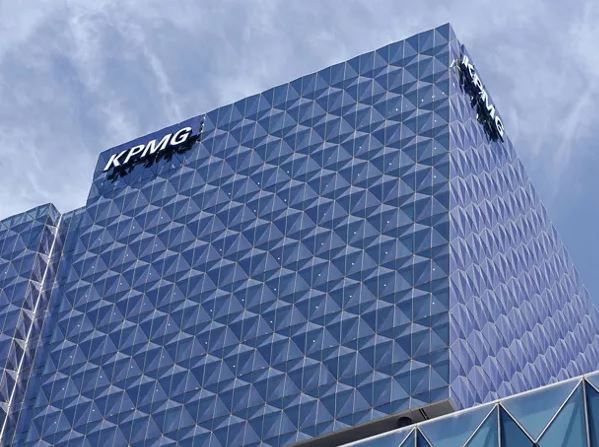
The Big Four accounting firm KPMG Australia is undergoing substantial management restructuring following the resignation of its chairman Martin Sheppard and two prominent audit partners, Paul Rogers and Eileen Hoggett. The departures represent the most recent wave of consequences stemming from a far-reaching scandal that has exposed serious governance lapses within the firm's Australian operations and prompted the earlier exits of its chief executive and audit division chief.
Interim Chief Executive Stan Stavros characterised the resignations as urgent and necessary remedial action. In a formal statement released on Tuesday, Stavros acknowledged that the firm had fallen significantly short of professional and ethical standards that the accounting industry demands. He emphasised that the misconduct had created ripple effects across multiple stakeholder groups, causing damage to the whistleblower who raised concerns, to staff members working within the firm, to clients whose trust was breached, and to the broader business community that depends on auditors' integrity.
At the centre of the controversy lies an allegation that KPMG improperly accessed and weaponised confidential board documentation obtained from property development company Lendlease. According to the whistleblower's account, the firm utilised sensitive strategic and financial information from Lendlease's boardroom deliberations as tactical advantages when pitching for major audit contracts. This represents a fundamental violation of client confidentiality and the fiduciary duty that professional service firms must observe when handling commercially sensitive material.
The whistleblower specifically identified Rogers and Hoggett as the lead partners orchestrating the Lendlease audit engagement during the period when the alleged misconduct occurred. When these allegations became public in March, the naming of these individuals placed them squarely in the investigative spotlight. Their central roles in the implicated audit team made their continued tenure increasingly untenable, particularly as institutional pressure mounted for the firm to demonstrate accountability through visible leadership changes.
Both Rogers and Hoggett are currently subject to formal investigation by Australia's corporate regulator, which adds a layer of legal and reputational jeopardy to their positions. The regulatory scrutiny signals that authorities are treating the allegations with appropriate seriousness, and individual accountability mechanisms are operating alongside the firm's internal governance responses. For professional partners in the accounting sector, facing regulatory investigation typically becomes incompatible with maintaining senior roles within their firms.
For Malaysian and Southeast Asian readers, this scandal carries important implications for professional standards across the region. KPMG operates extensively throughout Asia-Pacific, and the misconduct uncovered in Australia demonstrates that ethical lapses can occur within even the most prestigious global accounting networks. The incident underscores the importance of maintaining robust internal controls and confidentiality protocols, particularly for firms handling sensitive corporate information across multiple jurisdictions and client bases.
The firm has committed to implementing strengthened governance architecture in response to the crisis. KPMG Australia announced plans to recruit an independent chairman from outside the organisation, signalling an intent to inject external perspectives and oversight into leadership. Additionally, the firm will expand its Australian board composition to include independent directors who lack employment relationships or financial entanglements with the firm. These structural reforms represent attempts to create meaningful counterweights to insider decision-making and to reconstruct institutional credibility through transparency.
The broader context reveals that this scandal emerged within an increasingly scrutinised landscape for the Big Four accounting firms globally. Regulators across multiple jurisdictions have intensified their focus on potential conflicts of interest within audit practices, particularly where auditors simultaneously provide consulting services or possess information that could benefit their advisory work. The incident at KPMG Australia reflects systemic tensions that pervade the professional services industry regarding the compartmentalisation of information and the maintenance of ethical walls between different service lines.
The cumulative effect of the resignations at KPMG Australia—encompassing the CEO, audit chief, chairman, and two senior partners—demonstrates that serious misconduct in professional services triggers visible, cascading consequences that extend across multiple organisational levels. This pattern may serve as a cautionary indicator for other major accounting firms operating in the region regarding the importance of proactive compliance frameworks and whistleblower protection mechanisms that encourage early reporting of concerns rather than allowing issues to fester until they become public crises.
As Southeast Asian economies continue to develop deeper capital markets and increasingly complex corporate structures, the role of trustworthy, ethically grounded accounting firms becomes more critical. Clients across Malaysia, Singapore, Indonesia, and other regional economies depend on auditors to provide independent verification of financial information and proper governance oversight. When that trust is breached, the reputational damage extends beyond individual firms to affect the credibility of the entire profession within those markets.