%22%2F%3E%3C%2Fpattern%3E%3C%2Fdefs%3E%3Crect%20width%3D%22100%25%22%20height%3D%22100%25%22%20fill%3D%22url(%23ph5wzxvg)%22%2F%3E%3Crect%20width%3D%22100%25%22%20height%3D%22100%25%22%20fill%3D%22url(%23ph5wzxvp)%22%2F%3E%3Ctext%20x%3D%2250%25%22%20y%3D%2250%25%22%20text-anchor%3D%22middle%22%20dominant-baseline%3D%22central%22%20fill%3D%22rgba(255%2C255%2C255%2C0.95)%22%20font-family%3D%22Georgia%2C%20'Times%20New%20Roman'%2C%20serif%22%20font-weight%3D%22700%22%20font-size%3D%22170%22%20letter-spacing%3D%22-0.02em%22%3EMalaysia%3C%2Ftext%3E%3C%2Fsvg%3E)
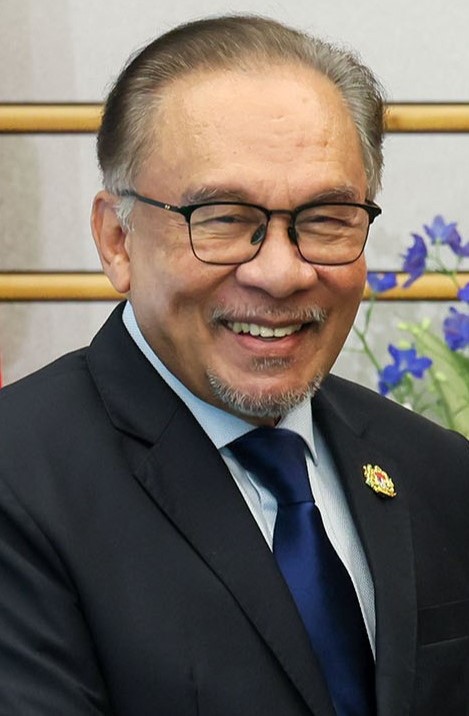
Prime Minister Datuk Seri Anwar Ibrahim and visiting Bangladesh Prime Minister Tarique Rahman have signalled a decisive push to reactivate core institutional structures governing relations between the two South Asian neighbours, marking a significant thaw in diplomatic engagement after an extended period of inactivity. The commitment, formalised during Tarique's two-day official visit to Putrajaya, centres on reconvening the Joint Commission Meeting and Bilateral Consultations at the earliest opportunity—mechanisms that have languished without regular activation despite their strategic importance to both nations.
The resumption of these platforms carries particular weight for Malaysia, which relies substantially on Bangladeshi workers across multiple economic sectors. The joint statement issued by the Foreign Ministry underscores how regular high-level dialogue and official visits have historically underpinned effective coordination on labour cooperation and broader bilateral concerns. By recommitting to regular engagement, both governments acknowledge that sporadic contact has constrained their ability to address shared challenges comprehensively and to capitalise on mutual opportunities for development.
Central to this revitalisation is the recognition of Bangladesh's significant expatriate community in Malaysia, which extends beyond mere labour provision to encompass cultural exchange and economic interdependence. Both leaders explicitly acknowledged that Bangladeshi workers have materially contributed to Malaysia's economic growth and development trajectory, while simultaneously serving as informal ambassadors fostering deeper people-to-people connectivity. This framing—positioning migrant workers as agents of bilateral strengthening rather than merely as economic inputs—reflects a more sophisticated understanding of migration's multifaceted role in regional integration.
The labour dimension, however, remains subject to Malaysia's stringent regulatory framework. The joint statement carefully notes that while Malaysia has received Bangladesh's proposals regarding worker recruitment expansion, any new foreign worker quotas remain contingent upon Malaysia's current restrictive labour intake policies. This reflects the political sensitivities surrounding immigration in Malaysia, where concerns about wage suppression, job displacement, and social integration have hardened official postures considerably over the past decade. Approvals, the statement emphasises, will proceed strictly case-by-case, evaluated against verified employer demand and pre-established sectoral caps.
To navigate these competing imperatives—Bangladesh's labour export needs and Malaysia's controlled immigration stance—both nations have agreed to establish a Joint Working Group specifically tasked with ensuring Bangladesh's worker migration remains safe, equitable, and mutually advantageous. This mechanism represents a pragmatic compromise, institutionalising dialogue without committing Malaysia to blanket quota increases that could inflame domestic political opposition. The JWG's primary mandate involves comprehensively evaluating the existing Memorandum of Understanding between the two countries, identifying gaps and inefficiencies that may have accumulated during periods of reduced engagement.
Equal in importance to this evaluation is the JWG's directive to draft an updated MoU calibrated to contemporary bilateral realities and sectoral requirements. The existing agreement, potentially drafted under different economic and demographic circumstances, likely contains provisions that no longer reflect current Malaysian labour market demands or Bangladesh's export capacities and worker protections standards. A renegotiated framework could address emerging sectors requiring skills, articulate transparent recruitment standards excluding predatory intermediaries, and establish clearer dispute resolution mechanisms—all critical for protecting vulnerable migrant workers.
The emphasis on recruitment transparency, fairness, and non-discrimination in the joint statement signals recognition that worker exploitation has historically tainted Malaysia's migration corridors. By tying any future quota approvals to utilisation of credible, qualified recruitment agencies exclusively, both governments attempt to curb the informal brokerage networks that have proliferated despite official oversight. For Malaysia, this approach addresses domestic criticism from labour advocates and civil society regarding migrant worker vulnerabilities; for Bangladesh, it enhances the integrity of its labour export industry and protects citizens from predatory agents operating with impunity.
Tarique's visit arrives at a moment when regional migration dynamics are shifting markedly. Other Southeast Asian labour destinations, including Thailand and Singapore, have implemented substantial reforms to their worker recruitment processes, creating competitive pressure on Malaysia to align its practices with international standards and neighbouring benchmarks. Simultaneously, Bangladesh faces intensifying competition from other South Asian exporters like Nepal and the Philippines, necessitating improved worker protections and transparent processes as differentiators in recruiting quality employers and protecting its citizen workforce.
The reactivation of the JCM and bilateral consultations extends beyond labour matters to encompass the broader spectrum of Malaysian-Bangladeshi relations, including trade, investment, educational exchanges, and security cooperation. Renewed regular dialogue at leadership and institutional levels provides a structured forum for addressing grievances, exploring new collaborative opportunities, and preventing misunderstandings from festering into diplomatic tensions. For Malaysia, this is particularly relevant given its complex South Asian engagement strategy and its efforts to balance ties across the region without privileging any single power.
Bangladesh's significance to Malaysia extends beyond economic indicators. As a substantial Muslim-majority nation and a member of the Organisation of Islamic Cooperation, Bangladesh occupies a consequential position in networks of Islamic cooperation and South-South development partnerships that Malaysia actively cultivates. Strengthening institutional ties with Dhaka reinforces Malaysia's positioning within broader Islamic and developing-world frameworks while diversifying its international relationships beyond traditionally emphasised partnerships.
The timing of this bilateral renaissance suggests both governments recognise mutual benefits from elevated engagement. For Bangladesh, securing reliable access to Malaysian employment markets remains economically crucial, particularly for remittance-dependent communities; for Malaysia, sustaining reliable worker supply chains across critical sectors requires stable, cooperative relationships with major source countries. Neither nation benefits from allowing diplomatic channels to atrophy through neglect.
Looking forward, the success of these revitalised mechanisms hinges substantially on both governments' willingness to implement agreed frameworks consistently and to resolve inevitable disagreements through established dialogue channels rather than unilateral action. The Joint Working Group will prove a critical test case—its effectiveness in producing a workable, modernised MoU within a reasonable timeframe will signal whether this commitment represents enduring structural change or merely temporary diplomatic theatre.