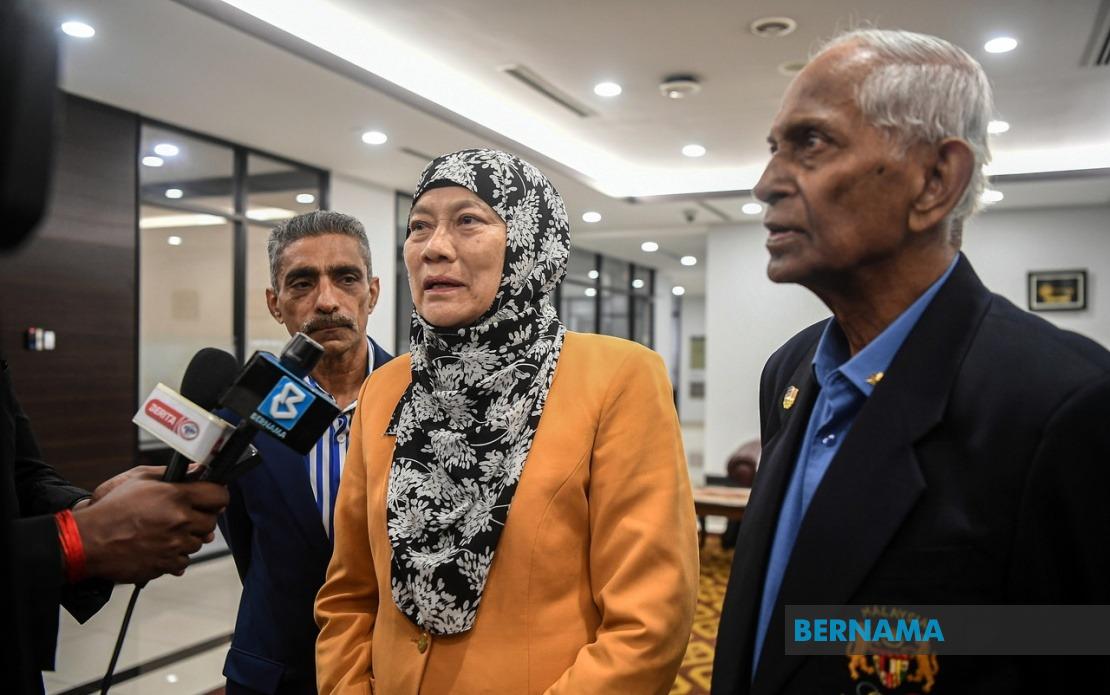
Malaysia's athletics administration faces mounting pressure to overhaul its governance structures and align its constitutional framework with international standards, according to warnings issued by former Sports Commissioner Datuk Zaiton Othman. Speaking at Parliament following discussions with Youth and Sports Minister Dr Mohammed Taufiq Johari, Zaiton outlined the critical need for Malaysia Athletics (MA) to ensure comprehensive compliance with the constitution and operational guidelines established by World Athletics (WA), the international governing body for the sport.
The stakes for non-compliance are extraordinarily high. Any constitutional amendments or administrative decisions that deviate from World Athletics requirements could trigger severe sanctions, including the suspension or complete cancellation of MA's registration with the global federation. Such outcomes would create cascading consequences for Malaysian sport, extending far beyond the athletics community itself. The suspension of MA would effectively prevent Malaysia from organising athletics competitions during the 2027 SEA Games, while simultaneously barring national athletes from competing in any international events officially recognised by World Athletics.
Zaiton, herself a decorated former athlete who earned the nickname 'Iron Woman' during her competitive career as a heptathlon specialist, emphasised the strategic importance of athletics to Malaysia's performance at regional games. Track and field events constitute a substantial medal generator at the SEA Games, having provided 47 gold medals at recent editions. Only swimming and shooting rival athletics in medal productivity for Southeast Asian nations. The irony, as Zaiton pointed out to reporters, lies in the prospect of Malaysia serving as host nation for the 2027 SEA Games while potentially unable to compete or organise in one of its strongest medal-earning sports—an outcome that would prove diplomatically awkward and competitively damaging.
The governance concerns represent a broader pattern of institutional misalignment that prompted intervention from the Reformation in Sports and Excellence (RISE) initiative, an advocacy platform established to address systemic issues within Malaysian sports administration. During the parliamentary meeting, RISE representatives joined Olympian Datuk Karu Selvaratnam and Datuk Noorul Ariffin Abdul Majeed, former chairman of the National Athletes Welfare Foundation, in articulating these concerns to the ministry. The collective presence of former athletes and Olympians underscored the depth of worry within Malaysia's sporting community that governance failures could harm the performance trajectory of current national competitors.
The constitutional friction between MA and World Athletics stems from fundamental differences in organisational structure and decision-making authority. Zaiton explained that amendments to MA's governing documents must harmonise with World Athletics' constitutional requirements. MA president Karim Ibrahim took a leave of absence in May to facilitate the constitutional revision process, with the Annual General Meeting scheduled for later that month providing the formal platform for these amendments. This procedural adjustment represents an acknowledgment that existing constitutional provisions require substantive modification to satisfy international standards.
Karim's tenure as MA president has itself been complicated by disciplinary history with World Athletics. In 2018, the world governing body suspended Karim, a decision subsequently upheld by the Court of Arbitration for Sport (CAS) on appeal. Despite this suspension, Karim retained eligibility to contest positions and serve on the Asian Athletics Federation Executive Council for the 2019-2023 term. This contradiction—where an individual can simultaneously face sanctions from one body while holding positions in affiliated regional structures—illustrates the complexity and occasional opacity of international sports governance frameworks.
The regulatory environment constraining the Malaysian government's response reflects the tension inherent in sports administration across the region. While the Sports Development Act 1997 provides the Ministry of Youth and Sports and the Sports Commissioner with authority to reprimand non-compliant associations and ensure regulatory adherence, direct government intervention in the administrative affairs of sports bodies remains politically sensitive and institutionally problematic. Zaiton acknowledged this constraint while emphasising that existing legislation nevertheless authorises the ministry to enforce compliance within established regulatory frameworks, creating space for intervention without crossing into inappropriate state control of autonomous sporting organisations.
The timing of these governance concerns coincides with Malaysia's preparation phase for hosting major regional athletics competitions. The 2027 SEA Games represent a significant showcase for Malaysian sport and Southeast Asian athletics more broadly. Athletics events at such games typically attract substantial public interest and media coverage, with sprint events and relay competitions serving as marquee attractions. The prospect of MA's suspension would not only exclude Malaysian athletes from competing in their national colours but would also prevent Malaysia from staging these competitions on home soil—an outcome that would fundamentally undermine the nation's hosting ambitions and regional sporting reputation.
The broader context of governance reform in Malaysian sports reveals a pattern of associations struggling to align with modernised international standards. World Athletics, like most international sports federations, has progressively strengthened governance requirements, emphasising transparency, constitutional clarity, and alignment with global best practices. For national federations in developing and middle-income countries, these requirements sometimes necessitate substantial institutional restructuring, creating friction between legacy governance models and international expectations. Malaysia's athletics administration now faces the practical challenge of implementing such restructuring within compressed timeframes while maintaining operational continuity and stakeholder confidence.
Former athletes and Olympians advocating for governance reform bring credibility and moral authority to demands for institutional improvement. These individuals have personal investment in Malaysian athletics' international standing and understand intimately how administrative failures can undermine athlete development and competitive performance. Their collective engagement through RISE and participation in parliamentary discussions signals broad consensus within Malaysia's elite sports community that governance reform is both necessary and urgent. The alternative—risking suspension and competitive exclusion—represents an unacceptable outcome for a nation with established athletics traditions and international aspirations.
The resolution of MA's constitutional compliance issues will require careful coordination between the federation's leadership, the Ministry of Youth and Sports, and World Athletics itself. The AGM process provides the formal mechanism through which MA can amend its constitution, but successful implementation demands sustained engagement with international federation standards and technical requirements. Malaysia's experience with athletics governance reform will likely influence how other Southeast Asian national federations approach their own international compliance obligations, making the Malaysian case instructive for regional sports administration more broadly.