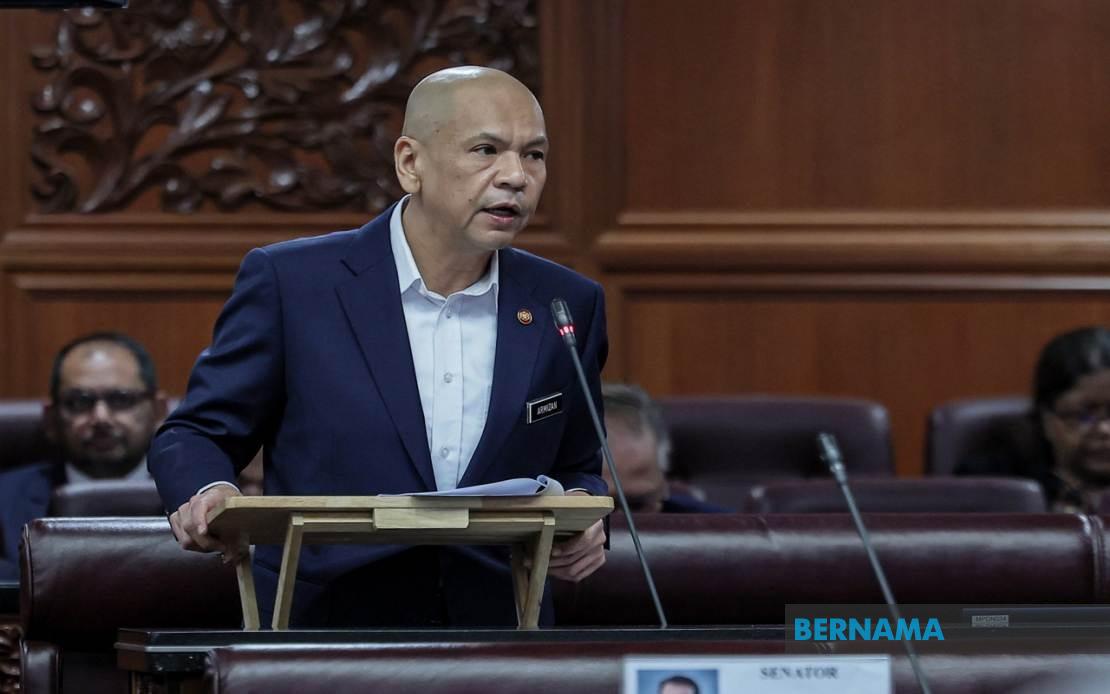
Parliament has taken a significant step toward modernising Malaysia's competition framework with the tabling of the Competition (Amendment) Bill 2026 and the Competition Commission (Amendment) Bill 2026 for first reading. Minister Datuk Armizan Mohd Ali, representing the Domestic Trade and Cost of Living Ministry, introduced both pieces of legislation in the Dewan Rakyat on June 23, with plans to progress them to second reading during the current parliamentary session. This twin legislative approach reflects a comprehensive effort to update competition law and governance mechanisms that have remained largely unchanged since 2010.
The Competition (Amendment) Bill 2026 represents a substantial revision of the Competition Act 2010, directly addressing identified gaps in how Malaysia's regulator, the Malaysia Competition Commission (MyCC), can investigate breaches and enforce compliance. One particularly consequential change involves broadening the definitional scope of what constitutes economic activity under competition law. Rather than limiting coverage to purely commercial activities, the proposed amendment would bring all economic activities within the regulatory framework. This distinction carries practical implications for how MyCC can monitor and regulate conduct across government-linked enterprises, not-for-profit organisations, and other non-traditional commercial entities that may still wield significant market influence.
Enhancing MyCC's information-gathering capacity stands as another pivotal element of the reform package. The proposed Clause 7 would grant the commission authority to compel production of information and documents from any individual or government entity when conducting market reviews. This expansion addresses a recognised constraint in MyCC's current toolkit, particularly when investigating potential anti-competitive practices involving state-owned enterprises or government bodies where cooperation cannot be assumed. The ability to systematically gather data across government agencies should materially strengthen market review processes and provide more complete pictures of competitive conditions in regulated sectors.
A novel enforcement provision introduces criminal liability for deliberate destruction, concealment, or alteration of evidence. Clause 13 specifically targets conduct intended to mislead MyCC or impede its investigations and enforcement activities. This addition criminalises a form of obstruction that has proven challenging under existing law, addressing situations where subjects of investigation destroy documents or tamper with electronic records to prevent detection of breaches. Such provisions are common in sophisticated competition regimes and signal Malaysia's intent to treat evidence obstruction with comparable seriousness.
The amendments also tackle internal governance of MyCC itself through several reforms to the Competition Commission Act 2010. Clause 8 clarifies and formalises MyCC's advisory role across government, explicitly recognising its mandate to counsel the minister, public authorities, and regulatory bodies on competition implications of policies, procedures, and programmes. This codification may facilitate more systematic integration of competition analysis into policy development across the civil service. A related innovation in Clause 10 allows MyCC to delegate functions and powers to internal structures including its chairman, committees, officers, and employees, creating greater operational flexibility and enabling more efficient task distribution within the organisation.
Standardising MyCC officer appointments through internal recommendation rather than external appointment procedures represents a structural change with governance implications. Subclause 12(a) proposes that commission staff recruitment occurs through MyCC's own appointment process guided by the chief executive officer's recommendations. Proponents argue this arrangement strengthens both transparency and accountability in hiring by centralising decision-making within the institution. However, the change also introduces questions about the appropriate balance between institutional autonomy and external oversight, matters that may warrant scrutiny during parliamentary debate.
These amendments arrive amid broader regional trends toward strengthened competition enforcement. Southeast Asian regulators including those in Thailand, Vietnam, and Indonesia have pursued similar expansions of investigative authority and penalty frameworks in recent years, often prompted by increased merger activity and concerns about digital market concentration. Malaysia's legislative evolution thus positions the country to maintain competitive enforcement capacity comparable to regional peers.
The Competition Appeal Tribunal provisions also receive attention through enhanced procedural frameworks. Improved decision-making procedures within MyCC and clearer tribunal processes should facilitate faster and more predictable resolution of competition disputes, potentially encouraging more businesses to challenge MyCC decisions through structured appeals rather than pursuing drawn-out litigation through general courts.
For Malaysian business, these amendments carry tangible implications across multiple dimensions. Companies involved in cross-border trade within ASEAN should note the expanded scope covering all economic activities, as this potentially subjects more conduct to scrutiny. Organisations operating with government-linked entities must anticipate more rigorous market reviews given MyCC's enhanced information-gathering powers. Conversely, the formal advisory role clarifies that competition considerations merit incorporation into regulatory and policy design, potentially offering businesses earlier visibility into competition-sensitive regulatory changes.
The tabling of these bills marks the legislative beginning of a modernisation process rather than its conclusion. Parliamentary debate and committee scrutiny will likely surface concerns from affected business sectors, labour groups, and other stakeholders. Consumer advocates may push for even broader enforcement powers, while businesses may advocate for clearer safe harbours and exemptions. The progression to second reading will reveal whether government commands sufficient parliamentary support for unchanged passage or whether amendments emerge during deliberation.
Successful implementation of these provisions will ultimately depend on MyCC's capacity and resources. Even substantially expanded legal authority provides limited benefit if the commission lacks adequate funding, trained personnel, and technological infrastructure to exercise new powers effectively. The government should therefore couple legislative enactment with corresponding resource allocation to ensure the commission can fulfil the expanded mandate parliament intends.
These amendments reflect an assessment that Malaysia's 2010 competition law, while originally progressive, required updating to address evolved market structures and enforcement challenges. The comprehensive nature of both bills suggests policymakers conducted meaningful consultation identifying persistent implementation constraints and governance gaps. When passed, these reforms should provide MyCC with a modernised toolkit better suited to protecting competitive markets in an increasingly complex and integrated regional economy.