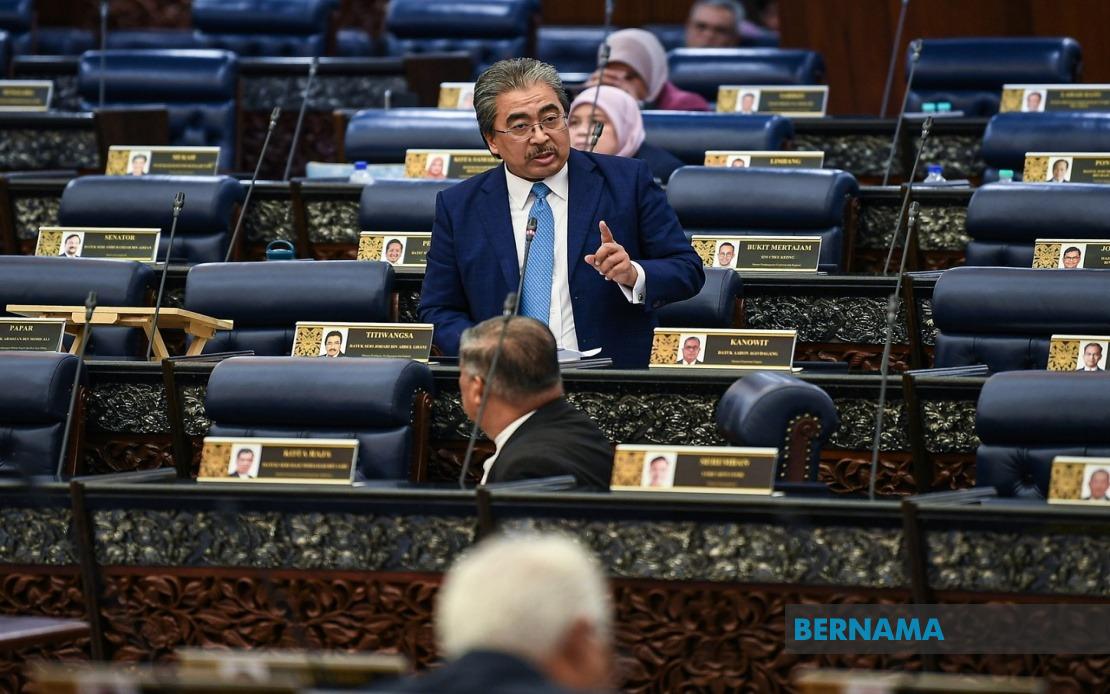
Malaysia is moving to establish a comprehensive mechanism restricting the import of goods manufactured using forced labour, marking a significant shift in the country's trade compliance framework. Investment, Trade and Industry Minister Datuk Seri Johari Abdul Ghani announced during parliamentary proceedings that the government has formed an Inter-Agency Task Force on Forced Labour to develop and implement the necessary protocols. This development comes as Malaysia faces mounting international pressure, particularly from the United States, to tighten controls over supply chain practices and labour standards in imported merchandise.
The urgency behind this initiative stems from mounting trade tensions between Malaysia and the United States. The US Section 301 investigation into forced labour practices has singled out Malaysia among dozens of trading partners for inadequate import restrictions. Following preliminary findings announced in June 2026, the American administration signalled its intention to impose an indicative tariff of 10 per cent on Malaysian goods beginning after July 24, specifically targeting sectors where forced labour concerns persist. This development represents a serious commercial threat to Malaysian exporters already navigating a complex and competitive global marketplace.
Currently, Malaysia operates without dedicated legislation or enforcement mechanisms to prevent the importation of goods produced through forced labour. The task force, chaired by the Ministry of Investment, Trade and Industry, recognises this regulatory gap as a critical vulnerability. The ministry is collaborating with multiple government departments to address the shortfall, reflecting the cross-cutting nature of labour and trade compliance. The participating agencies span economic oversight, law enforcement, border security, and diplomatic channels, underscoring the multifaceted approach required to establish effective controls.
The Inter-Agency Task Force composition reveals the breadth of government involvement needed for meaningful implementation. Beyond the Ministry of Investment, Trade and Industry, contributing entities include the Ministry of Finance, Ministry of Foreign Affairs, Ministry of Home Affairs, Ministry of Human Resources, and Ministry of Transport. Supporting agencies encompassing the Attorney-General's Chambers, Royal Malaysian Customs Department, Malaysian Border Control and Protection Agency, Royal Malaysian Police, Malaysian Investment Development Authority, and Malaysian External Trade Development Corporation collectively bring enforcement capacity, intelligence-gathering capability, and trade administration expertise.
The international context amplifies the stakes for Malaysian policymakers. In its comprehensive review of 60 countries' compliance with forced labour import restrictions, the United States identified Malaysia among 54 nations lacking specific legal prohibitions on goods produced through such labour practices. Six additional countries possessed relevant legislation but failed to enforce it effectively. This categorisation placed Malaysia in the weakest compliance position, creating both a reputational liability and an immediate commercial imperative to demonstrate regulatory progress before the July 24 deadline.
Implementing effective controls presents substantial technical and administrative challenges. Malaysia must develop mechanisms capable of identifying suspect goods throughout complex supply chains, verifying labour standards across numerous production facilities, and enforcing import denials while maintaining smooth trade flows. The country's position as a significant manufacturing and transhipment hub for Southeast Asia adds complexity, as goods from multiple source countries transit Malaysian ports and warehouses. Any new restrictions must balance labour protection objectives against the economic impact on industries dependent on imported inputs.
The timing of this initiative reflects Malaysia's strategic calculation regarding trade relationships. The forced labour investigation remains nearly finalised, while a separate US Section 301 inquiry into market access continues. By establishing a proactive mechanism now, Malaysia signals commitment to addressing American concerns, potentially influencing outcomes of ongoing investigations. However, Malaysian officials acknowledge that the 10 per cent tariff announced for after July 24 may proceed regardless, as the investigation process itself is substantially complete.
For Malaysian manufacturers and exporters, these developments carry significant implications. Companies relying on imported components face potential supply chain disruptions if Malaysian customs authorities heighten scrutiny of incoming goods. Simultaneously, Malaysian-made products sold internationally, particularly those in labour-intensive sectors, may face additional verification requirements or market access restrictions in the United States and other jurisdictions increasingly focused on forced labour concerns. Exporters must anticipate revised compliance documentation requirements and potential auditing demands.
The broader context involves escalating global attention to labour standards in international commerce. Major trading blocs, particularly the European Union and increasingly the United States, are implementing legislative frameworks making importers responsible for supply chain due diligence. Malaysia's initiative aligns with this trend but comes primarily in response to American pressure rather than independent policy development. The country now joins a growing list of nations establishing national-level mechanisms to police labour practices among trading partners.
Regionally, Malaysia's action may influence neighbouring Southeast Asian economies facing similar US Section 301 investigations. The country serves as a reference point for other ASEAN members navigating forced labour compliance demands. Success in implementing effective controls could provide a model for regional harmonisation, while failure may accelerate trade restrictions affecting the broader region. Vietnam, Cambodia, and other major exporters of labour-intensive goods watch Malaysian developments closely as they contemplate their own compliance strategies.
The political dimension merits attention as well. Parliamentary scrutiny, as evidenced by the questioning that prompted the minister's announcement, indicates growing legislative focus on trade compliance matters. Opposition parliamentarians are monitoring government progress on developing and implementing the mechanism, potentially using enforcement delays or inadequacies as criticism points. This domestic political pressure, combined with international commercial consequences, creates strong incentives for effective mechanism design and timely implementation.
Looking ahead, Malaysia faces a compressed timeline to demonstrate meaningful progress. The July 24 deadline for potential tariff implementation leaves limited months for establishing functional import controls. The task force must balance comprehensive coverage against administrative feasibility, ensuring new restrictions do not create unintended consequences for legitimate trade. Success will require coordination across multiple bureaucratic agencies, training of enforcement personnel, and development of technology systems capable of assessing forced labour risks in imported goods.

