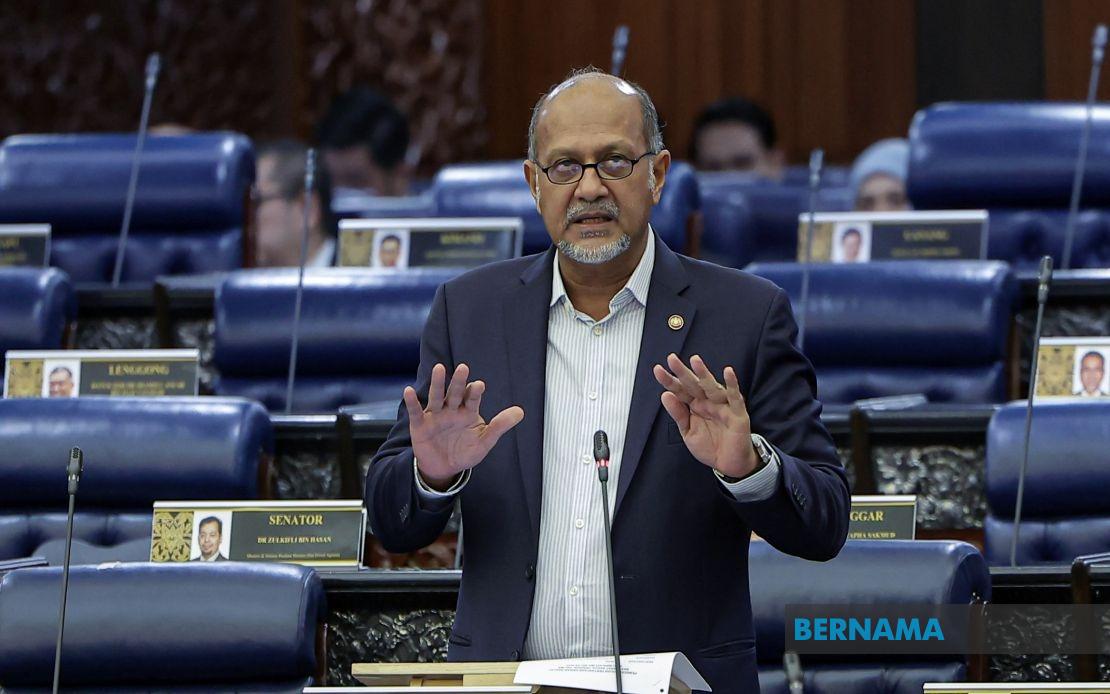
Malaysia is taking a comprehensive stance against the proliferation of artificial intelligence-driven crimes by layering enforcement mechanisms through both current legislation and forthcoming regulatory frameworks. Digital Minister Gobind Singh Deo articulated this dual approach in parliamentary proceedings, revealing that the government plans to leverage established legal provisions to prosecute perpetrators of content misuse while simultaneously developing the Artificial Intelligence Governance Bill to create preventive structures and accountability systems throughout AI's entire operational spectrum.
The strategy addresses a growing concern across the region: the weaponisation of advanced AI capabilities for harmful purposes. Technologies enabling the creation of deepfake imagery, synthetic media fabrication, and identity manipulation present novel challenges that existing legal frameworks were not designed to contemplate. By pursuing prosecutions under current law whilst simultaneously constructing bespoke AI legislation, Malaysia aims to close gaps in accountability and victim protection during the interim period before comprehensive new laws take effect.
Gobind's statement during parliamentary question time revealed that the proposed bill extends beyond reactive prosecution to encompass the entire lifecycle of AI system development and deployment. Rather than treating artificial intelligence as a standalone issue, the government recognises that AI applications permeate virtually every economic and social sector, necessitating a holistic regulatory approach. This orientation distinguishes Malaysia's strategy from purely punitive models focused solely on prosecuting bad actors, instead emphasising preventive design and system-level safety assurance from inception.
The minister specifically addressed concerns raised by Wong Shu Qi regarding deepfake child sexual abuse material, identity impersonation, and the non-consensual distribution of intimate content. These constitute some of the most damaging applications of AI technology, with consequences that extend far beyond individual victims to affect community trust and social cohesion. Wong's questioning reflected legitimate anxieties within Malaysia's parliamentary representation about whether the proposed legislation would explicitly criminalise such conduct and establish meaningful protections for vulnerable populations.
Gobind's response clarified that the AI Governance Bill targets not merely the symptoms of technological misuse but addresses systemic vulnerabilities in how AI systems are developed and released into society. This framework-building approach requires specification of safety standards for model development, mandates for data protection protocols, and assessment procedures before deployment. Such provisions would theoretically prevent harmful systems from reaching users, representing a substantive departure from enforcement models that only punish creators after damage has occurred.
The government's emphasis on data protection and model safety signals awareness that many AI harms stem from compromised training datasets or inadequately vetted systems rather than exclusively from deliberate malicious use. By establishing requirements for secure development environments and rigorous product assessment, Malaysia seeks to eliminate entire categories of preventable harm. This reflects technical sophistication in understanding that artificial intelligence risks cannot be managed through criminal law alone.
The two-pronged structure also accommodates the government's stated commitment to enabling responsible innovation. Technology companies operating in Malaysia have expressed concern that excessive regulation might drive development activities to neighbouring jurisdictions with lighter compliance burdens. By clarifying that the governance framework aims to facilitate safe innovation rather than suppress technological advancement, Gobind signalled that Malaysia intends to position itself as a jurisdiction where AI development can occur responsibly and lucratively. This messaging attempts to attract investment in AI capabilities whilst simultaneously reassuring the public that safety and societal wellbeing remain paramount.
Wan Ahmad Fayhsal's supplementary question regarding AI sovereignty touched on another crucial consideration for developing economies. Malaysia's approach to AI governance intersects with questions of technological independence and whether domestic regulatory frameworks can meaningfully constrain systems developed by foreign technology corporations. Gobind's response emphasised building secure ecosystems and ensuring products meet safety standards before domestic deployment, which could be interpreted as Malaysia's attempt to exercise regulatory authority regardless of where AI systems originate.
The sequential implementation of both immediate enforcement and longer-term legislative change reflects practical recognition that the AI Governance Bill requires substantial parliamentary drafting and stakeholder consultation. Using existing provisions under laws addressing child exploitation, sexual assault, and content regulation allows authorities to commence prosecutions immediately for AI-enabled crimes, providing accountability and deterrence whilst the bill progresses through legislative processes. This interim approach protects potential victims from the delay inherent in formal legislative development.
For Malaysian businesses and technology developers, clarity emerges that the regulatory environment will become more stringent. Companies currently operating in AI-adjacent sectors must anticipate requirements for data security audits, model assessment procedures, and content monitoring protocols. The government's commitment to regulating processes from inception to product release means organisations cannot defer compliance considerations until facing enforcement action.
Regionally, Malaysia's framework potentially establishes precedent for other Southeast Asian nations grappling with identical challenges. The approach balances innovation encouragement with public protection more explicitly than purely prohibitive regulatory models, potentially demonstrating a viable path for the region's technology sectors to grow whilst maintaining social responsibility. However, effectiveness ultimately depends on implementation rigour and adequate resourcing for government bodies charged with governance functions.
The comprehensive nature of Malaysia's announced strategy suggests recognition that artificial intelligence's transformative potential demands proactive rather than reactive governance. By simultaneously prosecuting current harms and constructing preventive frameworks, the government attempts to serve multiple constituencies: protecting current and future victims, enabling legitimate AI development, maintaining public confidence in digital systems, and positioning Malaysia as a responsible technology jurisdiction. The AI Governance Bill's development timeline and ultimate legislative content will determine whether this ambition translates into meaningful risk reduction.