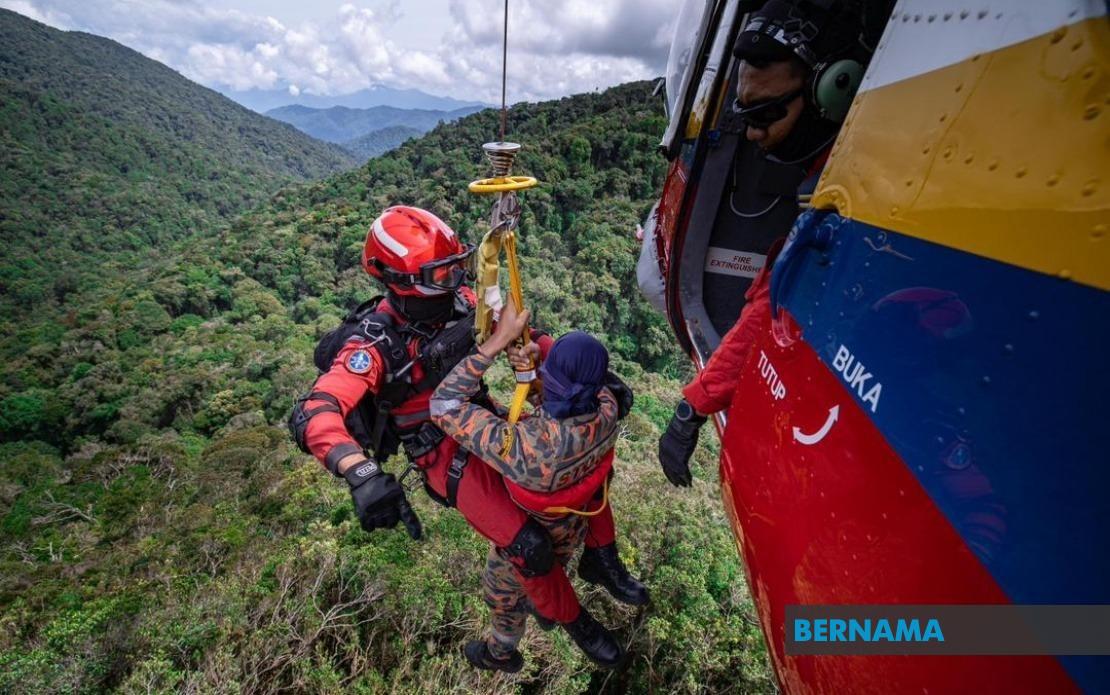
The growing popularity of hiking and outdoor recreation in Malaysia has come with a sobering human cost. Parliamentary records revealed this week that 1,059 accidents involving hiking activities occurred nationwide between 2021 and 2025, leaving 63 people dead and 87 others injured. The figures, disclosed by Deputy Minister of Natural Resources and Environmental Sustainability Syed Ibrahim Syed Noh during Ministers' Question Time in the Dewan Rakyat, underscore the urgent need for comprehensive safety measures as Malaysians increasingly venture into forests and mountainous terrain for leisure.
The statistics, compiled by the Fire and Rescue Department of Malaysia, paint a concerning picture of risks associated with recreational hiking in Permanent Reserved Forests across the country. These numbers highlight a critical gap between the enthusiasm for outdoor activities and the infrastructure necessary to keep participants safe. For Malaysian hikers and their families, the data serves as a stark reminder that mountain recreation, while rewarding, demands serious preparation and respect for environmental hazards. The breadth of accidents recorded over the five-year period suggests that safety lapses occur across different skill levels and hiking locations, from casual day-trippers to experienced mountaineers.
In response to these troubling trends, the Malaysian government has embarked on an ambitious framework to systematise hiking safety across the country. The Peninsular Malaysia Forestry Department, working with funding from the United Nations Development Programme, has created the Mountain Risk Assessment and Management Guideline, known as MoGRAM. This technical document serves as a blueprint for identifying hazards, managing risk, and controlling how many hikers use trails simultaneously to prevent overcrowding and resource depletion. The development of such guidelines reflects international best practice and demonstrates a shift from reactive emergency responses to proactive prevention.
A cornerstone of the government's safety strategy involves mandatory engagement of certified Forestry Mountain Guides in 189 high-risk hiking areas nationwide. These trained professionals, drawn largely from local and indigenous communities, provide essential on-the-ground support that extends beyond simple route guidance. Mountain guides certified under the MGP programme assist with emergency identification and response, enforce proper hiking protocols, and serve as first responders in dangerous situations. To date, 2,322 individuals have completed the Forestry Mountain Guide certification programme, creating employment opportunities while simultaneously raising safety standards across the hiking sector.
The government recognises that professional mountain guides represent the frontline of hiker safety. Beyond their immediate guiding functions, these individuals receive regular training covering a comprehensive curriculum of competencies. Training modules include specialised hiking safety protocols adapted to Malaysia's tropical environment, risk assessment methodologies that account for weather patterns and terrain challenges, practical first aid instruction, wilderness survival techniques, and advanced search and rescue operations. This multifaceted training regime ensures guides can handle routine situations and respond effectively to medical emergencies, environmental hazards, or lost hikers in remote terrain.
Looking forward, the ministry is developing a sophisticated hiking trail management system that leverages geospatial technology and geographic information systems in partnership with the Malaysian Space Agency. This technology-driven approach represents a significant leap forward in how authorities monitor and manage hiking activities. The system will enable real-time mapping of trails, centralised digital repositories of trail conditions and hazard information, and enhanced search and rescue capabilities through precise spatial analysis. When hikers become lost or injured, rescuers will have access to detailed terrain mapping and movement data, potentially reducing response times and improving survival outcomes.
Currently, hiker registration in Permanent Reserved Forests operates through a fragmented system combining manual record-keeping and state-based online platforms, reflecting Malaysia's federal structure where states control forest permits. However, the ministry is advocating for a unified national digital hiking registration system that would supersede these disconnected approaches. Such a system would create a comprehensive log of who enters which forests on specific dates, enabling authorities to trace hiker movements systematically during emergencies. The data collected would not only support immediate search and rescue operations but also provide authorities with detailed analytics about hiking patterns, accident hotspots, and infrastructure needs.
The push toward digitalisation addresses a fundamental weakness in Malaysia's current hiking safety architecture: information fragmentation. When hikers go missing, critical minutes are often lost attempting to determine which authorities have relevant information and where rescue efforts should focus. A centralised national system would eliminate this delay, allowing state forestry departments, rescue teams, and emergency services to coordinate immediately from a single verified database. Additionally, such a system could enforce mandatory safety precautions by requiring hikers to provide emergency contact details, mobile phone numbers, and trip itineraries before entering high-risk areas.
The government's multifaceted approach also reflects recognition that hiking safety encompasses both human and systemic factors. While mountain guides and technology address immediate safety and emergency response, the broader framework involving guidelines, training programmes, and digital systems targets prevention at multiple levels. Communities gain employment and income through guide certification programmes. Hikers receive professional expertise and emergency support. State governments obtain better data for resource allocation and risk management. The system creates stakeholder alignment around safety priorities rather than treating hiking as an unregulated recreational free-for-all.
For Malaysian hikers and those considering outdoor recreation in forests and mountains, these developments signal a transition toward more structured and safer experiences. The mandatory engagement of certified guides in high-risk areas means popular peaks and challenging routes will increasingly feature professional support. The forthcoming digital registration system will likely become standard practice, requiring hikers to log their activities and trip plans. While some may view these measures as restrictive, they reflect global best practice in managing recreational risks in natural environments.
The economic dimensions of hiking safety also merit consideration. Malaysia's natural environment represents a significant tourism asset, attracting both domestic and international visitors seeking mountain and forest experiences. Safety incidents damage both individual lives and the sector's reputation. Investment in proper infrastructure, trained personnel, and monitoring systems protects not only hikers but also the viability of hiking-related tourism and hospitality businesses. Local communities benefit from guide employment and associated economic activity, creating alignment between safety objectives and livelihood improvement.
As implementation of these safety measures accelerates, authorities will face practical challenges including ensuring consistent guide training quality across diverse regions, maintaining digital system security and accessibility in remote forest areas with limited connectivity, and encouraging voluntary compliance from informal hikers who may resist registration requirements. Success will depend on sustained government investment, cooperation between federal and state authorities, and cultural acceptance among the hiking community that safety infrastructure enhances rather than diminishes their outdoor experiences. The next few years will demonstrate whether Malaysia's comprehensive safety framework effectively reduces the tragic toll that hiking accidents currently exact on the nation's outdoor enthusiasts.