%22%2F%3E%3C%2Fpattern%3E%3C%2Fdefs%3E%3Crect%20width%3D%22100%25%22%20height%3D%22100%25%22%20fill%3D%22url(%23ph2uakgg)%22%2F%3E%3Crect%20width%3D%22100%25%22%20height%3D%22100%25%22%20fill%3D%22url(%23ph2uakgp)%22%2F%3E%3Ctext%20x%3D%2250%25%22%20y%3D%2250%25%22%20text-anchor%3D%22middle%22%20dominant-baseline%3D%22central%22%20fill%3D%22rgba(255%2C255%2C255%2C0.95)%22%20font-family%3D%22Georgia%2C%20'Times%20New%20Roman'%2C%20serif%22%20font-weight%3D%22700%22%20font-size%3D%22170%22%20letter-spacing%3D%22-0.02em%22%3EMalaysia%3C%2Ftext%3E%3C%2Fsvg%3E)
Malaysia is moving to overhaul its approach to recruiting workers from Bangladesh by establishing more rigorous oversight mechanisms and governance frameworks. The initiative reflects growing recognition that the recruitment process requires transparent, standardised procedures that protect worker welfare while meeting Malaysia's sustained demand for foreign labour. Human Resources Minister Datuk Seri R. Ramanan announced that the Ministry of Human Resources (KESUMA) would intensify efforts to strengthen foreign worker management protocols, ensuring that all practices conform to standards of transparency, fairness and ethical conduct.
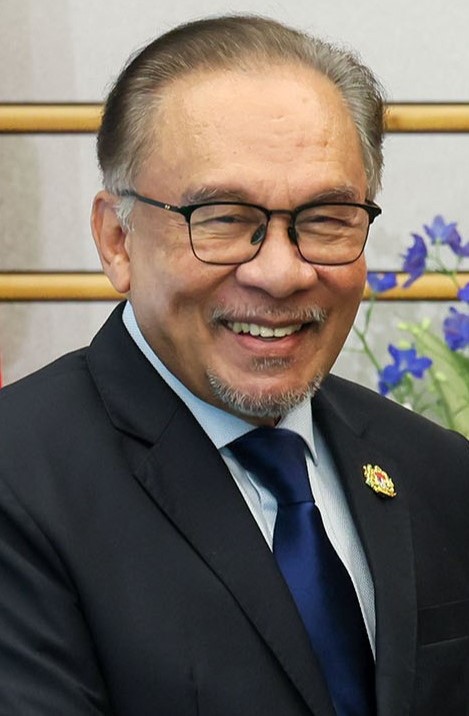
The commitment emerged following bilateral discussions between Prime Minister Datuk Seri Anwar Ibrahim and Bangladeshi counterpart Tarique Rahman during a state visit to Malaysia. Both leaders recognised that migrant workers from Bangladesh constitute a significant portion of Malaysia's foreign workforce, contributing substantially to economic sectors ranging from manufacturing to services. Rather than view this relationship as transactional, the two governments have agreed to formalise cooperation through institutional channels designed to elevate standards across the entire recruitment ecosystem.
A crucial outcome of the bilateral meeting was agreement to establish a Joint Working Group (JWG) tasked with evaluating existing labour arrangements and developing an updated Memorandum of Understanding that reflects contemporary migration realities. This mechanism signals a shift from informal arrangements toward structured bilateral governance, addressing longstanding concerns about worker exploitation, wage theft, and unsafe working conditions that have periodically drawn international scrutiny. The JWG's mandate extends beyond reactive problem-solving to proactive framework-building that anticipates future challenges in managing labour flows between the two nations.
Minister Ramanan emphasised that strengthening governance represents a mutual interest rather than a unilateral Malaysian initiative. Bangladesh, as a primary labour-exporting nation, has vested interest in ensuring its nationals are treated fairly and receive promised compensation. Conversely, Malaysia benefits from having a stable, sustainable supply of workers who arrive through transparent processes rather than through informal networks that often facilitate abuse. This complementary interest forms the foundation for deeper institutional cooperation that transcends diplomatic courtesy.
The governance enhancement initiative addresses several specific areas that have historically generated friction in bilateral labour relations. Worker welfare protections, safety standards in workplaces, and mechanisms for addressing grievances represent focal points requiring attention. The recruitment process itself—from initial screening in Bangladesh through to employment contracts and workplace conditions in Malaysia—will be subjected to greater scrutiny to eliminate intermediaries and practices that obscure accountability. KESUMA's commitment to play an active role signals that Malaysia's federal government intends to exercise tighter supervision rather than delegating responsibility entirely to private recruitment agencies.
For Malaysian employers and economic sectors dependent on foreign labour, the enhanced governance framework carries both implications and obligations. Companies will likely face more stringent compliance requirements when hiring Bangladeshi workers, including documentation standards, employment contract transparency, and workplace safety adherence. While this may increase administrative burden for businesses, it simultaneously reduces liability risks and reputational damage associated with labour violations. Large multinational corporations operating in Malaysia increasingly face pressure from global supply chain partners to demonstrate ethical labour practices, making this alignment with Bangladesh particularly strategic.
The timing of Bangladesh's new leadership, with Tarique Rahman assuming office in February following political transitions, provides an opportune moment for relationship recalibration. His visit represents the first official bilateral trip abroad, suggesting that Malaysia-Bangladesh cooperation ranks among Bangladesh's early foreign policy priorities. This positioning underscores the economic importance of labour migration to Bangladesh, where remittances from overseas workers constitute a vital source of foreign currency and household income for millions of families.
Regional dynamics also influence this governance push. Southeast Asian countries increasingly compete for skilled and semi-skilled labour, particularly as demographic challenges affect workforce availability in developed economies. Malaysia's ability to attract and retain foreign workers depends partly on reputation for treating them fairly and transparently. Enhanced governance frameworks with source countries like Bangladesh create competitive advantages by signalling commitment to ethical recruitment, potentially positioning Malaysian employers as more desirable destinations compared to countries with weaker protections.
Implementing the new frameworks will require coordination across multiple Malaysian agencies beyond KESUMA, including immigration authorities, workplace safety regulators, and law enforcement bodies addressing labour trafficking. This interagency approach recognises that worker protection involves comprehensive systemic reform rather than isolated procedural adjustments. The Joint Working Group structure provides a bilateral forum where implementation challenges can be addressed collaboratively, with Bangladesh officials understanding enforcement obstacles Malaysia faces and Malaysian authorities recognising Bangladesh's concerns about worker outcomes.
Looking forward, the model established with Bangladesh may serve as template for Malaysia's relationships with other significant labour-source countries including Indonesia, Vietnam and the Philippines. As Southeast Asia confronts tighter global scrutiny of labour standards and supply chain ethics, bilateral frameworks emphasising transparency and worker protection offer credible pathways toward sustainable, mutually beneficial migration arrangements. For Malaysia specifically, this governance enhancement positions the nation as a responsible employer in regional and global labour markets while maintaining the workforce flexibility that competitive economic sectors require.