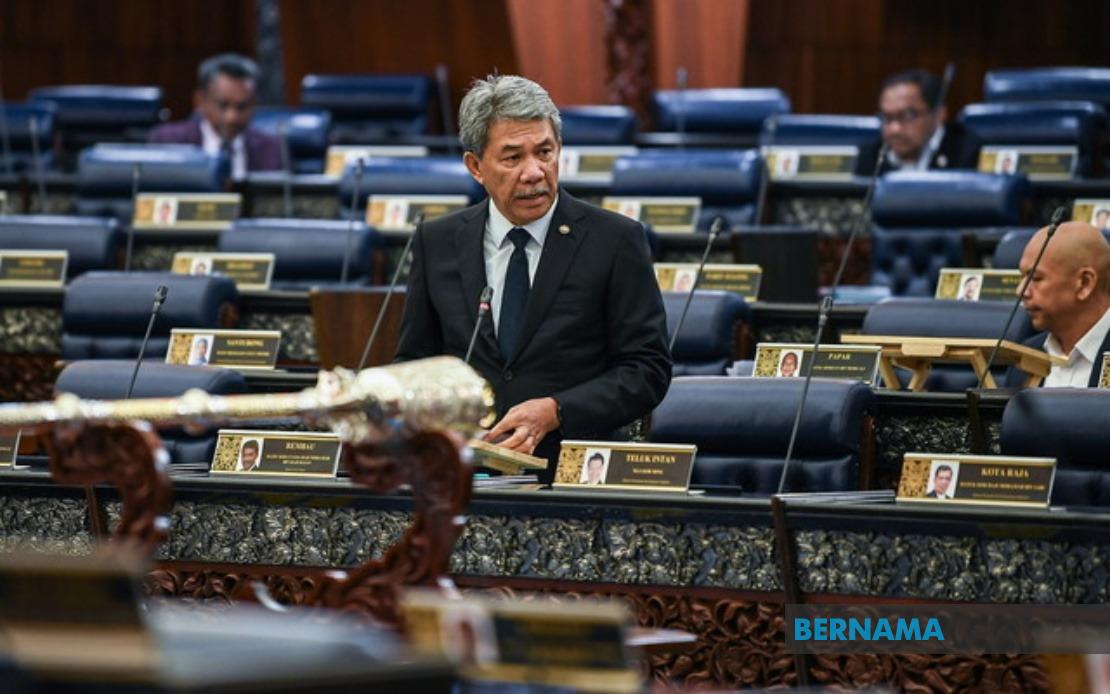
Malaysia intends to mobilise multiple international forums—spanning the United Nations system, the Organisation of Islamic Cooperation, BRICS nations, and the Non-Aligned Movement—to catalyse a durable settlement to the escalating conflict consuming West Asia. Foreign Minister Datuk Seri Mohamad Hasan outlined this multifaceted diplomatic strategy during parliamentary questioning, emphasising that Kuala Lumpur would maintain active engagement across these platforms to create pathways toward comprehensive regional stability and conflict resolution.
The Malaysian government has positioned itself among early endorsers of the memorandum of understanding reached between the United States and Iran last week, signalling Kuala Lumpur's commitment to substantive peace architecture in a region whose instability has sent shockwaves through global energy markets and maritime commerce. Mohamad stated that Malaysia would continue close scrutiny of the subsequent bilateral negotiations scheduled within the MoU's 60-day implementation window, aiming to shepherd both parties toward formal ratification and concrete measures that translate initial agreements into actionable policy.
The unsigned accord itself carries considerable geopolitical weight, embedding 14 distinct provisions designed to fundamentally recalibrate the region's power dynamics. Among the centrepieces are commitments to rehabilitate Iran's war-damaged infrastructure—valued at approximately USD300 billion—alongside the critical reopening of the Strait of Hormuz, a chokepoint through which roughly one-third of globally traded seaborne oil passes annually. The agreement additionally stipulates Israeli military withdrawal from multiple theatres including Lebanon, addressing longstanding flashpoints that have perpetuated the broader conflagration.
Malaysia's diplomatic approach extends beyond passive observation, encompassing direct engagement with key regional and international stakeholders. Mohamad disclosed that he had personally contacted counterparts in Pakistan—the nation that facilitated the US-Iran dialogue—as well as senior foreign ministry officials from the United Arab Emirates and Saudi Arabia. These outreach efforts serve dual purposes: communicating Malaysia's principled backing for de-escalatory initiatives whilst simultaneously reinforcing the message that Kuala Lumpur stands ready to participate in structured peace-building mechanisms as they materialise.
Simultaneously, Malaysia is pursuing what Mohamad termed indirect diplomatic channels, including targeted support for nations directly affected by the conflict and collaborative consultations with the incoming President of the UN General Assembly aimed at amplifying international consensus around conflict resolution imperatives. This layered engagement reflects recognition that durable peace in West Asia demands not merely bilateral US-Iranian arrangements but sustained multilateral pressure and institutional buy-in capable of constraining spoiler actors and maintaining momentum toward settlement.
Yet the Foreign Minister offered sobering analysis of the obstacles impeding successful implementation. He characterised the Israeli government as fundamentally opposed to the emerging peace architecture and warned that Tel Aviv continues to destabilise the region through military operations spanning Gaza, the occupied West Bank, Lebanese territory, and other contested areas. This assessment positions Israel as a principal impediment to collective international efforts aimed at ceasefire and diplomatic resolution, complicating Malaysia's advocacy for comprehensive regional de-escalation.
A critical vulnerability in contemporary international enforcement mechanisms emerged during supplementary questioning, when Mohamad acknowledged that Washington's repeated invocation of its Security Council veto power substantially undermines multilateral pressure campaigns targeting Israel. The Foreign Minister noted that the United States has deployed this blocking mechanism 31 times specifically to shield its Israeli ally from UN Security Council resolutions and enforcement actions. This structural impediment within the global governance architecture fundamentally constrains the diplomatic leverage that nations like Malaysia can exert through formal international institutions, requiring alternative mechanisms and coalition-building outside traditional Security Council frameworks.
For Malaysia and other Southeast Asian nations, the West Asia conflict carries profound implications extending far beyond regional geopolitics. The closure of critical maritime corridors such as the Strait of Hormuz directly threatens the region's energy security, supply chain reliability, and economic growth trajectories. Malaysian commercial interests traverse these waters regularly; disruptions cascade through regional trading networks and inflate commodity prices affecting consumer welfare across Southeast Asia. Malaysia's proactive diplomatic engagement thus reflects not merely principled concern for global peace but tangible national economic interests at stake in regional stabilisation.
Moreover, Malaysia's emphasis on leveraging the Non-Aligned Movement and OIC platforms underscores recognition that traditional Western-dominated international institutions frequently prove inadequate vehicles for advancing perspectives emanating from the Global South. By anchoring diplomatic initiatives within forums where developing nations exercise meaningful collective agency, Malaysia positions itself within a broader movement challenging hierarchical international power structures and asserting the primacy of multilateral consensus over unilateral or bloc-based decision-making in matters affecting regional peace and security.
The sustainability of Malaysia's diplomatic investment remains contingent upon several variables beyond Kuala Lumpur's immediate control. The durability of the US-Iran understanding depends on whether both signatories perceive mutual benefit sufficient to weather inevitable domestic political pressures and implementation complications. Equally critical are whether Israel's military posture moderates in response to international pressure or whether escalatory cycles persist despite renewed diplomatic initiatives. Malaysia's ability to meaningfully influence these trajectories through institutional platforms will ultimately test whether multilateral diplomacy can meaningfully constrain major power actions in regions of strategic significance.
Moving forward, Malaysia's strategy reveals both ambition and acknowledgement of structural limitations inherent in contemporary international relations. By working through multiple institutional channels simultaneously—from the UN system to regional Islamic and non-aligned forums—Kuala Lumpur maximises pathways for diplomatic influence whilst avoiding dependence on any single framework potentially captured by particular power blocs. This approach reflects sophisticated understanding that sustainable conflict resolution demands persistence, institutional creativity, and coalition-building across ideologically and geographically diverse actors united around common interests in regional stability and prosperity.