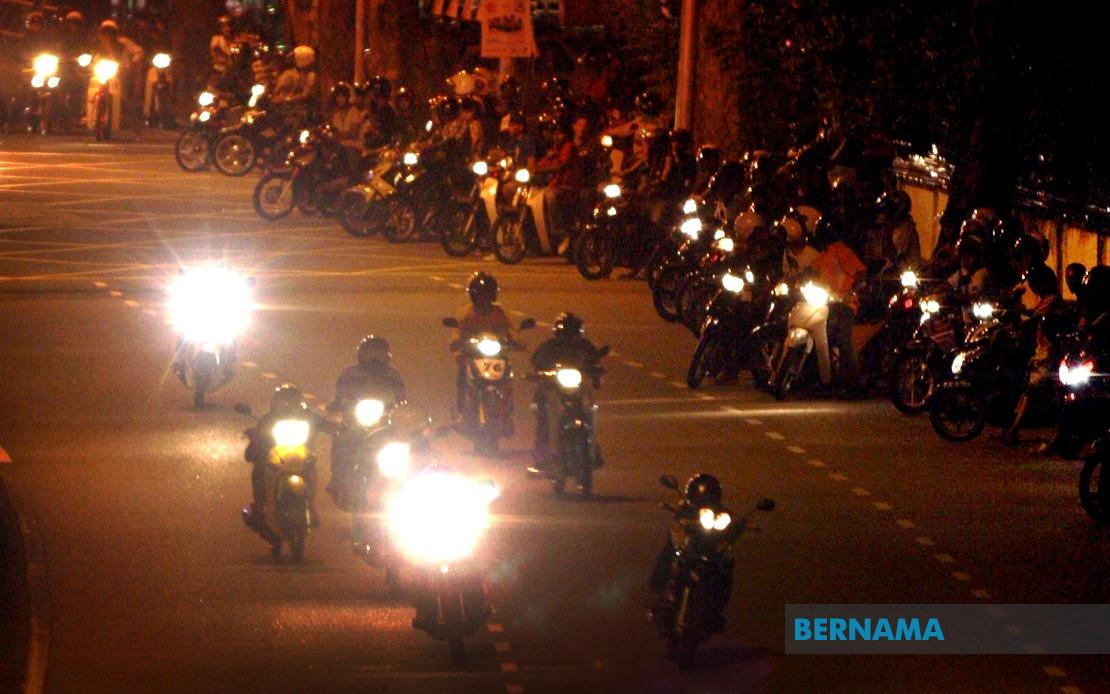
Lawmakers in the Dewan Rakyat have thrown their weight behind a comprehensive crackdown on illegal street racing, presenting the government with multiple proposals to strengthen enforcement and deterrence. The debate on the Road Transport (Amendment) Act 2026 revealed broad parliamentary consensus that current penalties are insufficient to address the growing menace of organised racing on public roads, which has claimed lives and disrupted communities nationwide.
Khairil Nizam Khirudin from PN-Jerantut has championed a rehabilitative approach to complement punitive measures, advocating for a specially designed programme that marries disciplinary training with community service obligations. His proposal reflects recognition that deterrence alone has failed to prevent recidivism, and that offenders require intervention addressing the behavioural and social factors driving participation in illegal racing. This rehabilitative angle distinguishes his stance from purely punitive approaches, suggesting that education and accountability mechanisms may prove more effective in redirecting offenders away from dangerous activities.
Particularly notable is Khairil Nizam's call for parental accountability, which would extend legal responsibility beyond individual racers to their families. This approach draws inspiration from youth justice frameworks used in other jurisdictions, on the theory that family structures bear some responsibility for supervising and discouraging illegal behaviour among younger members. The proposal also recognises that many illegal racers are teenagers and young adults whose parents might exercise meaningful influence over their decisions.
The most severe deterrent proposed comes from Datuk Willie Mongin of GPS-Puncak Borneo, who advocates permanent revocation of driving licences for those convicted of street racing. Combined with proposed minimum penalties of RM300,000 in fines or five years imprisonment, permanent licence revocation would inflict lasting consequences that extend far beyond the immediate punishment period, effectively ending offenders' legal ability to operate vehicles. Mongin's framing emphasises the government's need to demonstrate resolve through uncompromising enforcement.
Multiple MPs have highlighted the inadequacy of existing regulations in addressing racing involving high-powered cars, not merely motorcycles. Wan Razali Wan Nor referenced the fatal Simpang Renggam incident in Johor on June 1, which claimed several lives involving luxury vehicles, as stark evidence that illegal racing extends beyond the motorcycle subculture. This expansion of racing to include expensive cars suggests evolving demographics and sophistication among offenders, potentially attracting wealthier individuals attracted to high-performance vehicles. The tragedy underscores that street racing risks extend across socioeconomic boundaries and vehicle categories.
Shaharizukirnain Abd Kadir has proposed confiscation and destruction of heavily modified motorcycles, targeting the infrastructure that enables racing rather than only the participants themselves. This approach recognises that modified bikes represent significant investments, and that destruction poses a tangible economic consequence beyond incarceration and fines. However, such measures raise complex questions regarding proportionality and due process, particularly in distinguishing between legitimate customisation and illegally modified racing machines.
The workshop modification issue receives particular attention across parliamentary contributions, with multiple MPs expressing concern about businesses that deliberately alter motorcycles to enhance their racing capability. Khairil Nizam has specifically urged the Ministry of Transport to collaborate with the Ministry of Domestic Trade and Cost of Living to leverage existing provisions under Section 66 of the Road Transport Act 1987 against such operations. This coordination between ministries represents an acknowledgment that combating illegal racing requires regulatory approaches spanning transport, trade, and business oversight.
Parliamentarians have also pivoted toward addressing related road safety hazards, particularly driving under the influence of alcohol and drugs. Jeli MP Zahari Kechik proposed establishing compensation mechanisms to ensure that drunk and drugged drivers bear financial responsibility for hospital costs and victim welfare associated with accidents they cause. Such mechanisms would create additional financial accountability beyond standard criminal penalties, potentially enabling victims to recover damages without pursuing expensive civil litigation.
The compensation proposal gains particular resonance given the Ministry of Transport's stated intentions to ensure full accountability from intoxicated offenders. Datuk Seri Dr Ismail Abd Muttalib has endorsed strengthening enforcement specifically targeting accidents involving impaired drivers, suggesting parliamentary impatience with existing enforcement effectiveness. The focus reflects recognition that alcohol and drug-impaired driving represents a persistent threat to public safety, potentially overlapping with illegal racing culture in some instances.
The amendments under discussion encompass Sections 42A, 44, and 45A to 45C of the Road Transport Act 1987, indicating that the legislative review will touch upon multiple regulatory frameworks governing dangerous driving behaviours. Participation from 24 government and opposition MPs underscores that road safety transcends partisan divisions, with members from Pakatan Harapan, Perikatan Nasional, and GPS all contributing substantively to the debate.
For Malaysian drivers and communities, these proposals signal potential transformation of enforcement approaches toward illegal racing. Should parliament adopt permanent licence revocation and the suggested fine levels, consequences for conviction would prove substantially more severe than current penalties, potentially affecting the cost-benefit calculations of potential offenders. However, implementation challenges remain, particularly regarding accurate identification of organisers versus casual participants, and ensuring that rehabilitation programmes receive adequate funding and professional staffing.
The debate reflects growing parliamentary recognition that illegal racing represents not merely a minor traffic violation but a serious public safety threat warranting comprehensive legislative response. The simultaneous focus on vehicle modification workshops, driver rehabilitation, family accountability, and impaired driving demonstrates appreciation for the multifaceted nature of the problem. As the Dewan Rakyat continues deliberations on the amended legislation, the ultimate shape of these penalties and support mechanisms will clarify whether Malaysia's approach to illegal racing enforcement undergoes the transformation these parliamentarians have advocated.