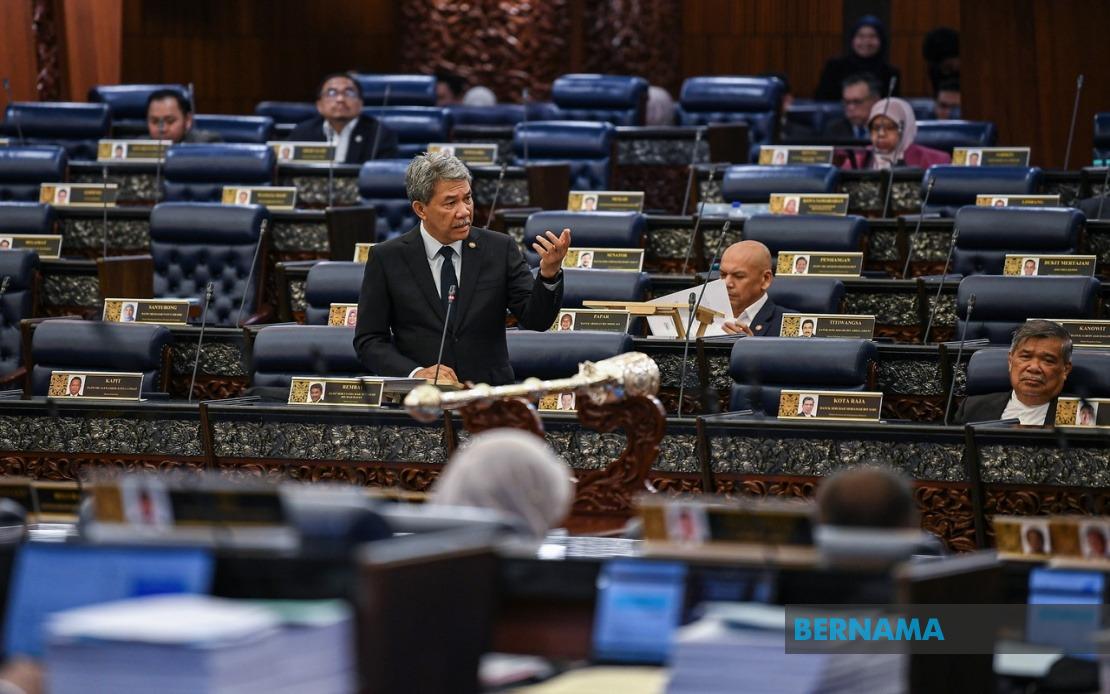
Foreign Minister Datuk Seri Mohamad Hasan has pushed back against criticism of Malaysia's Humanitarian Trust Fund for the People of Palestine (AAKRP), insisting that the mechanism remains properly governed and subjected to rigorous oversight mechanisms designed to ensure accountability and effective aid delivery. Speaking in Parliament on June 23, the minister clarified that claims of irregular management lack factual basis, pointing to the fund's status as a formal government-controlled trust account rather than an independently operated entity that might escape official scrutiny.
The AAKRP operates under multiple layers of institutional supervision that distinguish it from private charitable arrangements. Regular audits conducted by Malaysia's Auditor-General form a cornerstone of this verification process, while the Cabinet receives periodic reporting on the fund's activities and expenditures. These mechanisms reflect standard public finance governance practices applied to bilateral aid programmes, ensuring that every allocation of funds can be traced and justified through official records. The foreign ministry has positioned these safeguards as evidence that Malaysian assistance to Palestinians reaches intended beneficiaries rather than being diverted or misappropriated.
Mohamad's parliamentary response came after Ahmad Tarmizi Sulaiman (PN-Sik) raised questions during Question Time about how humanitarian resources are actually reaching Palestinian communities. Rather than dismissing the concern, the Foreign Ministry provided specific details about the distribution network, revealing that Malaysia deliberately channels assistance through established multilateral and humanitarian organisations rather than attempting direct delivery. This approach, while sometimes slower, provides additional verification that aid conforms to international humanitarian standards and reaches populations with genuine need.
The list of recipient organisations illuminates Malaysia's strategy for ensuring legitimacy and effectiveness. The United Nations Relief and Works Agency for Palestine Refugees in the Near East (UNRWA) operates the world's largest humanitarian programme serving Palestinian refugees, bringing institutional credibility and operational scale. The Jordan Hashemite Charity Organisation (JHCO) provides access to communities in Jordan where significant Palestinian populations reside, while the Palestine Red Crescent Society offers direct presence within Palestinian territories. King Hussein Hospital, situated in Amman, addresses critical medical needs for Palestinians requiring advanced treatment unavailable locally, demonstrating a comprehensive approach beyond simple cash transfers.
Malaysia's recent material aid shipments underscore a diversified assistance strategy extending beyond financial contributions. Food supplies, medical equipment, and healthcare resources have moved toward Gaza following the reopening of overland humanitarian corridors through Egyptian territory. These deliveries represented a breakthrough after earlier consignments faced logistical obstacles, with the Egyptian government's coordination proving essential to transport success. The shift from purely financial aid to tangible supplies reflects both the severity of Gaza's humanitarian crisis and Malaysia's determination to ensure concrete assistance reaches affected populations.
The humanitarian catastrophe in Gaza provides the critical context for understanding Malaysia's assistance programmes. The territory's basic infrastructure has sustained systematic damage throughout the ongoing conflict, with hospitals, educational facilities, and religious institutions among the most severely affected structures. This destruction directly impacts the population's capacity to respond to ordinary healthcare needs, educate children, and maintain social cohesion. Malaysia's recognition of these conditions justifies the deployment of resources across multiple sectors rather than focusing assistance narrowly on single categories of need.
The Foreign Ministry's reference to "inaccurate social media claims" points toward a broader credibility challenge facing aid organisations in the digital age. Unverified allegations spread rapidly across online platforms, frequently without factual foundation, potentially undermining public confidence in legitimate assistance programmes. Mohamad's direct appeal to Malaysians to resist misinformation reflects both the seriousness with which the ministry treats its stewardship responsibility and the frustration that accurate governance can face when competing against compelling but false narratives. The emphasis on "professional and responsible" management represents an implicit acknowledgement that public trust requires not merely sound administration but also effective communication of that administration's nature and scope.
For Malaysian donors and taxpayers, the Foreign Ministry's assurances carry implications for understanding how public resources advance Malaysia's foreign policy objectives. The AAKRP represents a tangible expression of Malaysia's declared commitment to Palestinian humanitarian welfare, implemented through mechanisms designed to withstand scrutiny. The willingness to subject the fund to Auditor-General examination and Cabinet reporting suggests confidence that the programme can withstand external review, distinguishing it from aid channelled through less transparent mechanisms that characterise assistance in some other contexts.
The broader Southeast Asian dimension of Malaysia's Gaza assistance deserves consideration. As the region's largest Muslim-majority nation and a significant player in international humanitarian efforts, Malaysia's approach to Palestinian aid carries symbolic weight beyond the immediate resource transfer. The emphasis on transparency and multilateral coordination projects an image of responsible aid stewardship, potentially influencing how other regional governments structure their own assistance programmes. This demonstration effect could contribute to raising standards for humanitarian accountability across Southeast Asia.
Moving forward, the Foreign Ministry faces continued pressure to maintain both the substance and the appearance of rigorous fund management. While the current governance structure appears adequate by Malaysian standards, international expectations for humanitarian aid transparency continue rising. Regular public reporting on AAKRP disbursements and outcomes, beyond the Cabinet-level briefings already occurring, could further strengthen public confidence and preempt future allegations. Such transparency initiatives need not compromise operational security or donor confidentiality while still demonstrating that Malaysian assistance genuinely advances humanitarian objectives in Palestine.