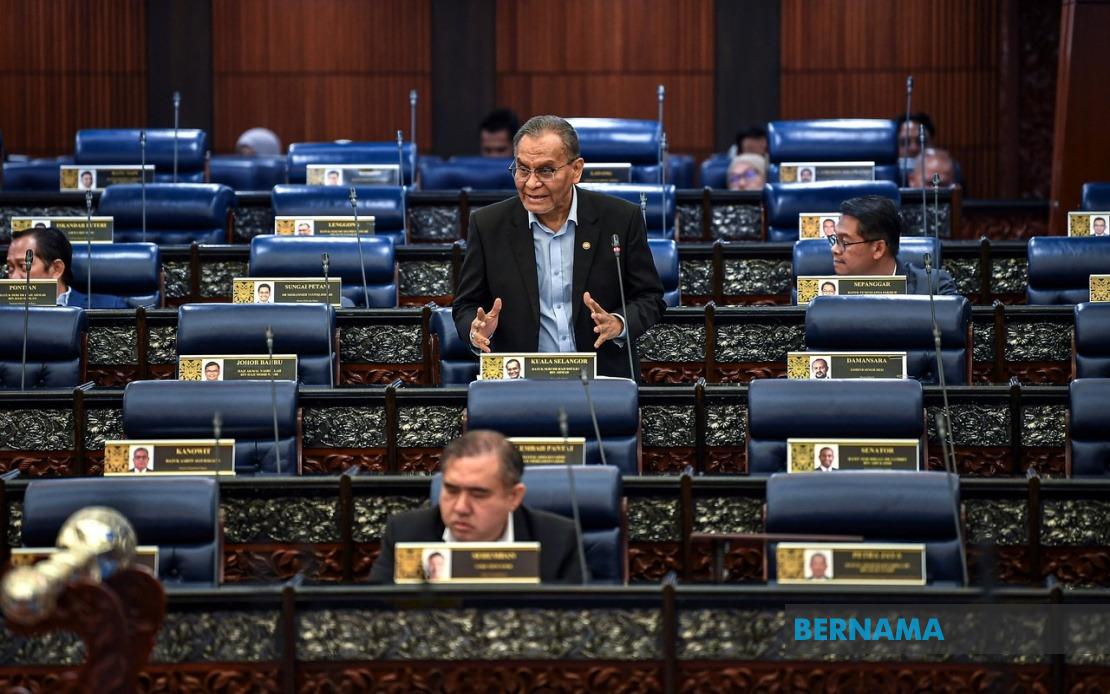
The Ministry of Health has signalled its determination to preserve the viability of Malaysia's private clinic sector, recognising that thousands of private general practitioner practices have closed over the past decade and that further attrition would undermine the nation's healthcare system. Health Minister Datuk Seri Dr Dzulkefly Ahmad outlined a multipronged approach during parliamentary question time, emphasising that government support through outsourcing arrangements and regulatory adjustments is essential to keep private practitioners competitive and operational within Malaysia's evolving healthcare landscape.
The scale of the crisis affecting private primary healthcare in Malaysia has become increasingly apparent. According to parliamentary testimony, approximately 2,034 private medical clinics have shut their doors since 2013, a figure that underscores the mounting financial pressures facing independent practitioners operating outside government-funded structures. This erosion of the private primary care network has coincided with declining intake of house officers into the private sector, suggesting both financial constraints and reduced career appeal for junior medical professionals seeking employment pathways. The closures represent not merely a loss of business entities but a contraction in healthcare access points that traditionally serve communities unable or unwilling to navigate the overloaded public hospital system.
In response to these pressures, the government has taken a concrete step by revising fee regulations to allow private medical practitioners to charge a minimum consultation fee of RM80, up substantially from the previous floor of RM10. This regulatory adjustment addresses one of the fundamental challenges facing private clinics: the inability to generate sufficient revenue from patient consultations alone to sustain operations, pay staff, maintain premises, and invest in equipment and technology. By establishing a more realistic minimum fee that better reflects the cost of delivering quality primary care, the MOH has acknowledged that outdated pricing structures were making private practice economically unsustainable for many practitioners, particularly in less densely populated areas where patient volumes are naturally lower.
The private primary healthcare sector plays a far more critical role in Malaysia's overall health system than casual observation might suggest. The country's primary care infrastructure comprises 2,916 government-operated MOH health clinics and 10,208 private GP clinics, meaning that private practitioners actually outnumber their public sector counterparts by a ratio of roughly 3.5 to 1 in terms of facility count. This distribution effectively makes private clinics the true frontline of primary healthcare delivery for millions of Malaysians, absorbing patient demand, providing preventive services, managing minor acute illnesses, and referring complex cases upward to the specialist and hospital networks. The collapse of significant portions of this private infrastructure would inevitably redirect additional patient flows to already-stretched government clinics and hospitals, compounding existing congestion and waiting times.
Beyond fee adjustments, the MOH is pursuing structured collaboration arrangements between public and private sectors as a longer-term sustainability strategy. These outsourcing mechanisms are designed to create stable revenue streams for private practitioners by formalising their roles within broader healthcare initiatives rather than leaving them entirely dependent on walk-in patient consultations. Such arrangements can include contracts for preventive health screenings, chronic disease management programmes, vaccination campaigns, and surveillance activities that leverage private sector infrastructure and reach while funding services through government allocation. This model has proven effective in health systems internationally and offers Malaysian private practitioners predictable income alongside their regular practice operations.
The management of non-communicable diseases (NCDs) has emerged as a particular focus for public-private collaboration under Malaysia's planning framework. As chronic conditions including hypertension, diabetes, heart disease, and obesity impose mounting burdens on hospital services and consume growing portions of healthcare budgets, the potential for distributed management across both public and private primary care settings becomes increasingly valuable. Rather than requiring all NCD patients to attend government clinics for ongoing monitoring and medication management, partnerships with private practitioners can extend specialist-initiated care into the community, improving access for patients living near private clinics while reducing hospital outpatient department pressures. The 13th Malaysia Plan explicitly incorporates this collaborative NCD management approach, signalling policy-level commitment to rebalancing healthcare delivery across sectors.
International precedent provides additional validation for the public-private primary care integration strategy that Malaysia is pursuing. The United Kingdom's National Health Service model, despite its primarily public character, has historically engaged private practitioners in primary care delivery and maintains structures for public funding of private provider services. Taiwan's healthcare system, similarly, demonstrates how competitive private primary care providers can operate alongside robust public structures, with funding mechanisms and regulatory frameworks that enable both sectors to flourish. These examples suggest that carefully designed integration is feasible and that Malaysian policymakers have studied comparable international approaches before committing to similar directions.
The parliamentary exchange revealing these measures also highlighted the particular vulnerability of private medical professionals themselves, who face income instability, isolation from institutional support systems available to public sector colleagues, and limited pathways for professional development and career advancement. By framing sustainability measures not merely as economic support but as safeguarding the welfare of private practitioners, the Health Minister acknowledged this human dimension of the crisis. Practitioners facing years of declining patient volumes and fee pressures experience professional burnout and financial hardship that ultimately drives retirement, career switching, and—in many cases—closure of once-thriving practices that served their communities for decades.
For Malaysian patients and the broader healthcare system, the successful preservation of private primary care capacity has immediate practical implications. Geographic accessibility improves when private clinics remain distributed across urban and rural areas, offering alternatives to patients unable to access government facilities quickly. Service choice expands when multiple providers compete for patient preference, potentially incentivising quality improvements and responsive service delivery. System resilience increases when healthcare demand spreads across multiple sectors rather than concentrating in government facilities. During health emergencies such as the COVID-19 pandemic that initially devastated private clinic revenues, a robust private sector capable of rapid response and surge capacity becomes increasingly valuable.
The proposed fee structure increase to RM80 minimum consultation charge requires context regarding its actual adequacy for sustainable practice. While substantially higher than the previous RM10 floor, this fee remains lower than consultation charges in many Southeast Asian neighbouring countries and may still prove insufficient for practitioners operating in lower-income areas or those serving patient populations with limited ability to pay. The regulation establishes a floor rather than a comprehensive solution, and successful implementation will require complementary outsourcing arrangements, workforce development support, and possibly additional measures to address structural challenges in different geographical and demographic contexts. Government and private sector stakeholders will need ongoing engagement to refine these policies based on implementation experience.
The government's commitment to private clinic sustainability also reflects pragmatic recognition of fiscal constraints limiting expansion of public sector healthcare infrastructure. Building new government clinics, recruiting and training additional MOH staff, and expanding public health facilities requires capital investment and recurrent budget allocation that governments operating with competing expenditure demands cannot indefinitely increase. Maintaining a functional private primary care sector effectively extends government healthcare capacity without corresponding budget outlays, representing efficient use of public resources through enabling private sector contributions. This economic efficiency argument, combined with genuine patient welfare considerations and health system resilience benefits, creates alignment among multiple policy objectives supporting intervention to preserve private practice viability in Malaysia.