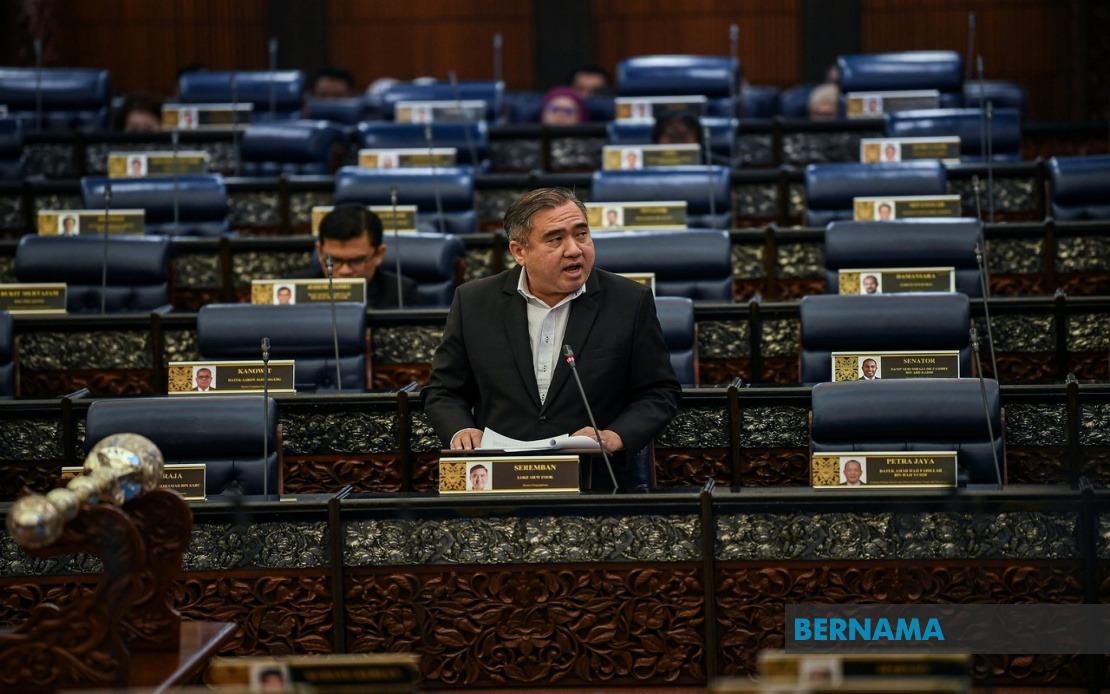
The Malaysian Parliament has moved to close a significant legal loophole in the country's traffic enforcement framework by introducing targeted legislation against illegal street racing. Transport Minister Anthony Loke tabled the Road Transport (Amendment) Bill 2025 in the Dewan Rakyat on June 23, marking a watershed moment in efforts to curb dangerous driving behaviour that has claimed lives across Malaysian roads. The proposed Section 42A would establish racing and speed trials on public roads as a distinct criminal offence under the Road Transport Act 1987, allowing authorities unprecedented leverage to intervene before tragedy strikes.
Under the current legal framework, enforcement agencies have struggled to prosecute street racers effectively because existing regulations treat dangerous driving as the primary violation. This approach creates a prosecutorial dependency on demonstrating actual harm—accidents, injuries, or fatalities—before meaningful action can be taken. Loke highlighted this enforcement challenge, explaining that two motorcyclists engaged in a high-speed race on a public road might currently escape serious charges if no collision or injury results from their reckless behaviour. The legislative gap has effectively permitted dangerous conduct to flourish provided participants avoid visible consequences, a loophole the new bill directly addresses.
First-time offenders convicted under the new provision would face financial and custodial penalties scaled to match the seriousness of the transgression. The legislation proposes fines ranging from RM2,000 to RM10,000, imprisonment stretching up to two years, or a combination of both sanctions. This graduated penalty structure recognises that not all first-time offences are equally egregious and grants courts discretion in determining appropriate sentences based on circumstances. However, the bill introduces substantially harsher consequences for repeat offenders, signalling Parliament's intent to deter recidivism through escalated punishment.
Second and subsequent convictions would carry fines between RM5,000 and RM20,000, with imprisonment potentially reaching five years or both penalties applied concurrently. This sharp escalation—from two to five years' maximum imprisonment—reflects parliamentary consensus that persistent street racing behaviour warrants serious criminal sanctions. The lengthy prison sentences proposed for repeat offenders represent a significant deterrent shift, suggesting authorities view chronic illegal racing as categorically distinct from isolated indiscretions. For Malaysian road users fatigued by dangerous driving incidents, particularly involving motorcyclists in urban corridors, this legislative response addresses longstanding public safety concerns.
Beyond criminalising the racing behaviour itself, the bill introduces ancillary provisions designed to protect enforcement operations from interference. Proposed Section 110B targets individuals who obstruct, assault, threaten, or follow enforcement officers' vehicles, as well as those who disseminate intelligence about enforcement operations to assist offenders in evading apprehension. Such obstruction offences would attract fines of RM10,000 to RM50,000, imprisonment from one to five years, or both, and would be classified as arrestable offences requiring no warrant. This provision acknowledges growing patterns of organised obstruction against traffic enforcement, where street racing communities coordinate to shield members from police operations.
The legislation also strengthens the enforcement toolkit by empowering authorities to act during ongoing illegal racing without awaiting accident outcomes. Loke provided practical examples of the operational impact: if motor vehicle drivers use public roads to test vehicle speeds illegally, authorities can now intervene immediately based on the racing activity alone, rather than waiting for consequential harm. This preventive capacity represents a significant shift toward proactive road safety management and reflects international best practices where jurisdictions criminalise dangerous driving activity independent of resulting accidents.
Compounding the enforcement enhancements, the bill revises penalty structures for existing traffic offences by adjusting compound fine limits. The legislation proposes increasing the standard fine baseline from RM300 to RM500 for selected offences, with the new maximum compound rates scheduled to take effect on January 1, 2029. However, Loke emphasised that implementing the RM500 figure would not occur automatically; enforcement officers retain discretion to adjust compound amounts based on offence severity, the time permitted for settlement, and applicable regulations. This flexible approach prevents rigid application while modernising financial penalties that had become eroded by inflation.
The amendments targeting overloading, non-compliant vehicles, and commercial vehicle violations address a distinct enforcement priority within Malaysia's road safety ecosystem. Commercial vehicles operating beyond weight limits pose acute dangers to road infrastructure and create collision risks; similarly, vehicles failing to meet safety standards endanger occupants and other road users. By strengthening enforcement mechanisms and increasing penalties for these categories, the bill aims to elevate compliance among transport operators whose conduct disproportionately affects public safety outcomes.
For Malaysian motorists and road safety advocates, this legislative package responds to observable trends in dangerous driving that have strained emergency services and traumatised communities. Street racing incidents, often involving young drivers in motorcycles or modified vehicles, have generated persistent news coverage and sparked public outcry across urban areas. The bill's dual approach—establishing racing as a standalone offence while protecting enforcement operations from organised interference—represents a comprehensive strategy acknowledging both the direct harms of illegal racing and systemic obstacles to effective policing.
The legislation also carries implications for regional transport regulation, as Malaysia's framework may influence enforcement practices among neighbouring Southeast Asian countries contending with similar challenges. Police forces across the region have documented rising street racing incidents, particularly in metropolitan zones where youth culture and vehicle modification intersect with inadequate legal frameworks. Malaysia's experience in addressing this enforcement gap through tailored legislation could provide a model for regional counterparts developing enhanced traffic laws.
Implementation of these provisions will depend substantially on enforcement resource allocation and inter-agency coordination between traffic police, transport authorities, and the judiciary. Successful prosecution of street racing cases will require officers trained in identifying and documenting racing behaviour, as well as judicial understanding of the new offence category. The five-year timeline before enhanced compound penalties take effect provides authorities preparation period to develop enforcement protocols and communication strategies.
Stakeholders including road safety organisations, insurance industry representatives, and transport operators will monitor implementation closely. Insurance companies may adjust premium calculations once conviction data becomes available, while community groups advocating for safer roads will assess whether the legislation yields measurable reductions in illegal racing incidents. The bill's passage through Parliament signals strong political commitment to road safety, though translating legislative intent into meaningful behavioural change requires sustained enforcement resources and community engagement throughout the implementation phase.