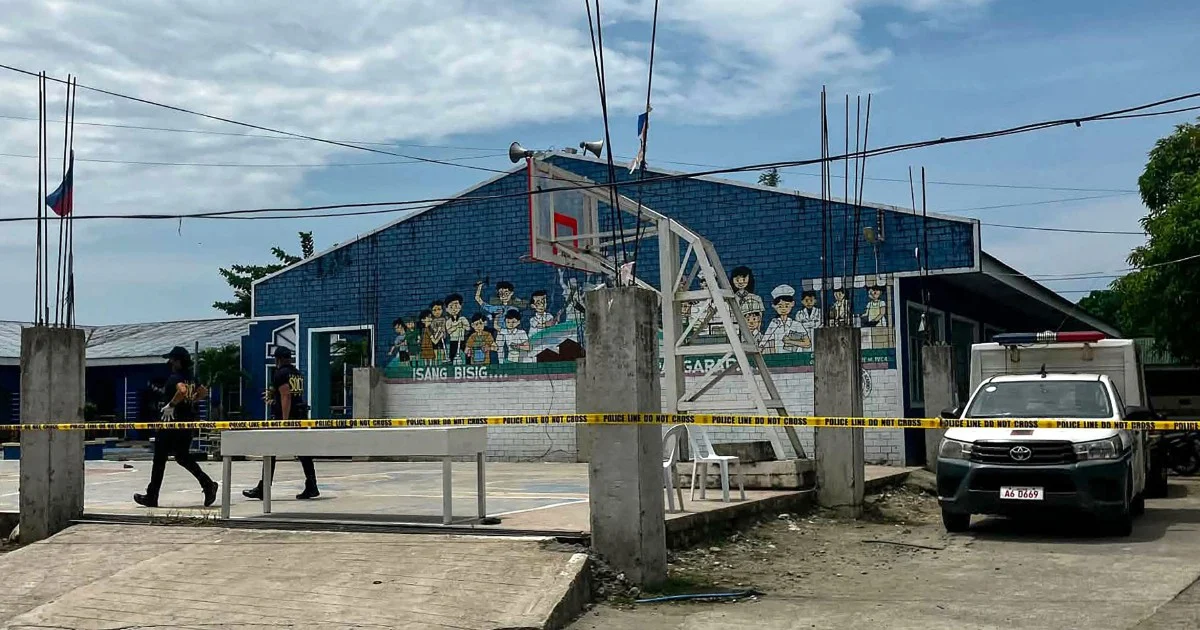
Philippine President Ferdinand Marcos Jr has directed authorities to conduct a comprehensive investigation into a shooting incident at a school in Tacloban that resulted in three fatalities and left five others wounded, signalling the administration's immediate response to the tragedy.
The Tacloban shooting represents a stark reminder of the persistent challenges surrounding firearms access and school safety in the Philippines, where educational institutions have increasingly become sites of concern for security breaches. The incident has prompted heightened scrutiny from the presidential office, with Marcos Jr moving swiftly to launch formal inquiries that will examine the circumstances surrounding the attack, the shooter's background, and potential security lapses that allowed the incident to occur.
School shootings, while less frequent than in some other nations, carry particular significance in Philippine society due to the relatively restricted nature of civilian gun ownership. The fact that such an incident occurred within a school environment—traditionally considered a sanctuary for young Filipinos—has intensified public alarm and raised difficult questions about institutional preparedness and law enforcement coordination. Tacloban, the capital of Leyte province and a city of significant historical and political importance, now faces the traumatic aftermath of violence that has shattered the sense of security families expect when sending their children to school.
The presidential directive reflects broader governmental concerns about maintaining public safety amid ongoing crime challenges across the archipelago. By ordering an investigation, Marcos Jr has acknowledged both the severity of the incident and the need for accountability among security agencies responsible for safeguarding civilian spaces. Such investigations typically examine multiple dimensions including weapon acquisition methods, possible motives, connections to criminal or extremist networks, and whether institutional security protocols were adequate or required strengthening.
For Malaysian observers, this incident underscores the distinct security landscape across Southeast Asia and how neighbouring countries grapple with violence prevention in ways that differ substantially from Malaysia's own gun control framework. Malaysia's stricter regulations on civilian firearm ownership mean school shootings of this nature remain exceptionally rare, though the Philippines' experience offers cautionary insights about the rapid escalation possible when weapons become more accessible and institutional defences are insufficient.
The response from Philippine authorities will likely influence regional discussions about best practices in school security and threat assessment protocols. Regional education ministries and law enforcement bodies often share intelligence and procedural frameworks, meaning that findings from this investigation could inform policy discussions across Southeast Asian nations seeking to enhance protective measures without compromising educational access or campus openness.
Tacloban's experience with this tragedy adds to the city's complex history; already marked by natural disaster recovery efforts following Typhoon Haiyan, the community now confronts a different form of crisis requiring emotional and institutional resilience. The convergence of security challenges in educational settings has prompted comparable concerns in neighbouring jurisdictions, where policymakers balance educational freedom with the imperative to protect vulnerable student populations from violence.
The investigation ordered by Marcos Jr will presumably coordinate multiple agencies including the Philippine National Police, the National Bureau of Investigation, and local government units, establishing a comprehensive fact-finding mechanism. Such inter-agency efforts are essential for identifying systemic vulnerabilities that may have contributed to the incident and for developing preventive frameworks applicable to other schools nationwide.
The incident arrives amid broader Philippine policy discussions about law enforcement capacity, crime prevention strategies, and community safety initiatives. Educational administrators throughout the country will likely reassess their own security measures in response, potentially implementing additional screening protocols, emergency response training, and threat detection systems—changes that educators across Southeast Asia have similarly undertaken following high-profile incidents elsewhere globally.
For the families affected by this Tacloban shooting, the presidential investigation represents an acknowledgment of their tragedy and a commitment toward understanding how such violence occurred. Beyond the immediate investigation, the incident raises enduring questions about how the Philippines balances its constitutional protections, cultural values surrounding firearm ownership, and the paramount duty to safeguard young people in institutional settings where they should feel secure learning and developing.
The broader implications extend to regional security frameworks and how Southeast Asian nations collectively address emerging threats to public safety. As the investigation unfolds, findings may contribute to wider conversations within ASEAN about cross-border security cooperation, information-sharing protocols on potential threats, and coordinated approaches to preventing violence in spaces designated for education and community wellbeing.