The construction of Masjid Warisan, set to rise in front of the Tun Razak Exchange (TRX) tower in Kuala Lumpur, will advance as originally planned, according to Religious Affairs Minister Dr Zulkifli Hasan. The long-anticipated project forms part of the government's broader vision to strengthen the role of mosques as important anchors for social cohesion within urban communities.
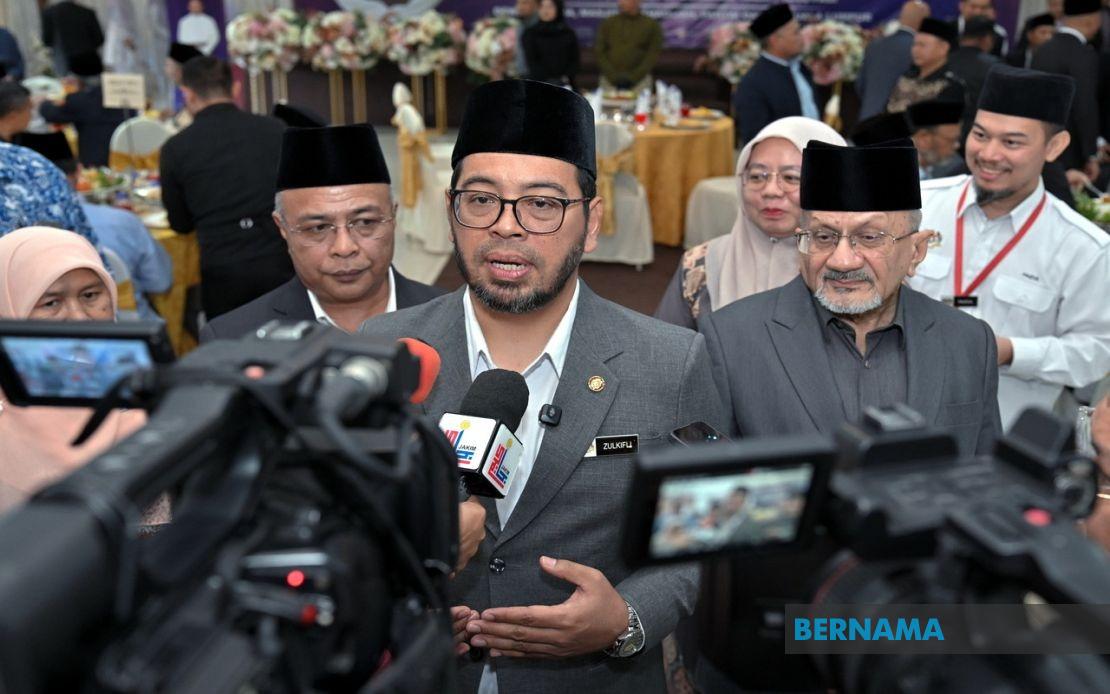
Dr Zulkifli, who holds the position of Minister in the Prime Minister's Department overseeing religious affairs, made the declaration during a media interaction at the launch of appointments for the Federal Territories Mosque and Friday prayer surau committee for the 2026-2029 term. He emphasised that the initiative has been under consideration for an extended period and represents a carefully considered addition to the capital's religious infrastructure.
The minister's comments come amid reports that certain quarters had publicly called for the project's abandonment, with critics arguing that the mosque's construction could potentially create social discord and generate public dissatisfaction within the community. Rather than engaging directly with these objections, Dr Zulkifli directed those with specific concerns to seek clarification from the Federal Territories Islamic Religious Council (MAIWP), positioning the council as the appropriate body to address questions and provide substantive explanations.
The minister drew upon international precedent to contextualise the project's appropriateness, noting that mosques exist as established fixtures in many prominent cities worldwide. He further characterised the Islamic call to prayer not as a source of conflict but as a contributor to spiritual tranquillity and societal wellbeing, suggesting that concerns about the mosque's location were misplaced given the normalcy of such facilities in global urban centres.
The appointment ceremony itself reflected the scale of institutional reorganisation underway across Kuala Lumpur's religious governance structures. A total of 3,010 nominations had been submitted for positions on mosque and surau committees representing 91 different mosques and 124 Friday prayer surau across the Federal Territories. From this substantial pool, 2,914 candidates advanced to appointment following a rigorous integrity screening process.
The vetting procedure involved coordination across multiple government agencies, including the Royal Malaysia Police, the Malaysian Anti-Corruption Commission, and the Insolvency Department. This multi-agency approach underscores the seriousness with which authorities regard the selection of individuals entrusted with religious administrative responsibilities, particularly in the context of managing institutions that serve as touchstones for community trust and spiritual guidance.
For Malaysian readers observing developments in Kuala Lumpur's urban landscape, the Masjid Warisan project carries several layers of significance. Positioned opposite the TRX tower, one of the capital's most prominent modern commercial developments, the mosque would occupy a symbolically important location that visibly integrates religious and secular infrastructure within the city's evolving skyline. This spatial relationship reflects broader questions about how Malaysia's cities accommodate diverse institutional functions and cultural expressions as they develop.
The project also arrives at a moment when religious institutions across Southeast Asia face heightened scrutiny and sometimes polarised public discourse. By proceeding with the TRX mosque despite opposition, Malaysia's government is signalling its commitment to a pluralistic vision of urban development that reserves space for religious expression alongside economic and commercial advancement. The decision carries implications for how other Southeast Asian nations approach similar infrastructure questions, particularly in contexts where religious sensitivities intersect with rapid modernisation.
The minister's emphasis on the MAIWP as the appropriate channel for addressing public concerns suggests an institutional approach to managing potentially contentious issues. Rather than reopening fundamental questions about whether the mosque should be built, this framing essentially closes the debate at the policy level while offering communities a structured mechanism for seeking information. Such institutional gatekeeping reflects how religious governance operates in Malaysia's federal system, where appointed bodies often serve as intermediaries between government decisions and public reception.
Dr Zulkifli's invocation of international examples—mosques in great cities around the world—represents an implicit argument that opposition to the TRX project stems from parochial concerns rather than legitimate principles. This rhetorical move positions supporters of the mosque on the side of cosmopolitan normalcy while characterising opponents as resistant to standard urban patterns. Whether this framing will successfully neutralise ongoing criticism remains uncertain, but it demonstrates how officials strategically construct justifications for contested projects.
The timing of the announcement—made during a separate ceremony honouring newly appointed mosque and surau committee members—suggests that religious affairs officials are treating the Masjid Warisan confirmation as part of broader institutional consolidation. The appointment of 2,914 vetted individuals to these committees represents significant collective authority over how Islam is administered and presented within the Federal Territories, and their support or acquiescence regarding the TRX mosque could prove consequential for its eventual reception within religious communities.
As the project moves forward, implementation will likely generate further discussion about the relationship between religious institutions and commercial development in Malaysia's capital. The construction timeline, budget allocation, and final architectural design remain unspecified in available statements, suggesting that detailed planning still lies ahead. During this development phase, the government's ability to manage stakeholder expectations while maintaining momentum on the project will substantially shape whether Masjid Warisan ultimately becomes an accepted feature of Kuala Lumpur's landscape or remains a focal point for broader debates about religious expression in secular spaces.