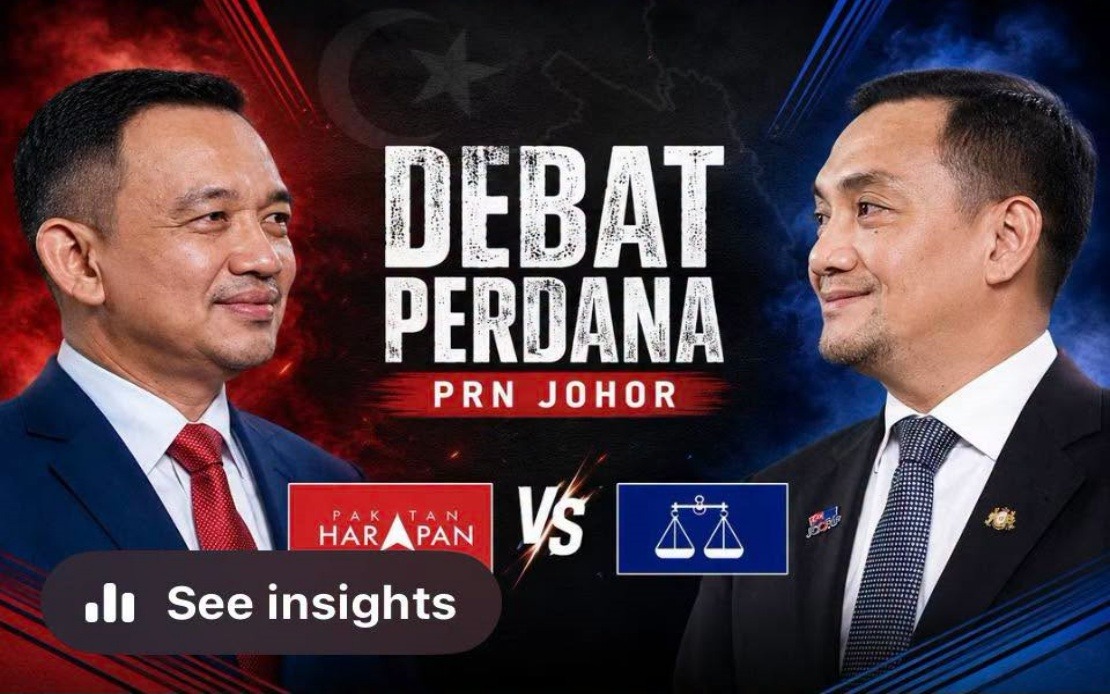
Former Education Minister Maszlee Malik has confirmed he will participate in a high-profile debate with Johor Menteri Besar Onn Hafiz Ghazi as the Johor state election campaign intensifies. The decision by Maszlee, who was named Pakatan Harapan's candidate for the Puteri Wangsa seat, signals his commitment to engaging in substantive political dialogue with his principal opponent during what is shaping up to be a closely contested electoral battle in the southern state.
Maszlee's acceptance of the debate invitation carries symbolic weight within the coalition's strategy. Rather than simply acknowledging the challenge through a brief statement, he took to social media to articulate a broader vision for the campaign, framing the debate as an instrument for democratic education rather than mere electoral combat. His emphasis on elevating political maturity reflects a broader frustration among some political figures that Malaysian election campaigns have become increasingly personalised and superficial, lacking substantive policy discussions that would inform voters about competing visions for governance.
The proposal for what organisers are calling the "Johor State Election Grand Debate" originated from social media influencer Muhamad Harris Nasril, whose digital platform subsequently amplified the idea through the Redaksi.com Facebook page. This grassroots genesis distinguishes the debate initiative from top-down arrangements typically orchestrated by political parties themselves, suggesting genuine public appetite for direct confrontation between senior political figures on key issues facing the state. The involvement of digital media personalities in brokering such events reflects the evolving landscape of Malaysian political communication, where non-traditional media actors increasingly shape campaign agendas.
The timing of this debate initiative coincides with Pakatan Harapan's comprehensive candidate announcement for the Johor contest. The coalition has distributed its 56 nominations strategically across three parties: the People's Justice Party securing 20 candidatures, the Islamic party Amanah fielding 19, and the Democratic Action Party contesting 17 seats. This numerical breakdown reveals deliberate calculations about party positioning and voter demographics across different electoral divisions, with each coalition member seeking to maximise its influence in specific constituencies while maintaining overall coalition coherence.
Onn Hafiz Ghazi's incumbent position as Menteri Besar gives him significant institutional advantages heading into the contest, though the challenge he has issued to Maszlee suggests confidence in his ability to defend his record in public debate. The Johor leadership has pursued distinct economic and development policies during its tenure, presenting opportunities for substantive comparison with opposition alternatives. A debate format would theoretically allow voters to assess competing claims about state performance, future direction, and resource allocation in areas ranging from infrastructure investment to social services delivery.
Maszlee's framing of the debate as an opportunity to demonstrate "mature politics" implicitly critiques the tenor of recent electoral contests in Malaysia, where personal attacks and character assassination have frequently overshadowed policy discussion. His invocation of democratic values suggests the former minister views the debate as more than tactical advantage, positioning it instead as contributing to broader democratic renewal. This rhetorical stance, whether genuinely held or strategically calculated, reflects awareness among some political leaders that voter cynicism about Malaysian politics stems partly from perception that elites debate personality rather than substance.
The logistical timeline for the Johor election remains compressed. The Election Commission has designated the coming Saturday for nomination day, with early voting scheduled for July 7 and election day set for July 11. This abbreviated campaign period compresses the window available for debate promotion, candidate exposure, and voter education. The proposed grand debate may become a pivotal moment where significant portions of the Johor electorate form conclusions about competing candidates and visions, given the limited time frame for extended political engagement.
For Malaysian observers following the Johor contest, this debate development carries wider significance beyond the state itself. Johor represents a substantial electoral prize with substantial parliamentary seats and considerable economic importance as Malaysia's second-largest state economy. Performance in Johor state elections often influences perceptions about which coalitions possess momentum heading into federal elections. A strong showing by either side could reshape national coalition calculations and influence which parties position themselves as potential partners in post-election negotiations.
The nature and conduct of this debate will likely influence expectations about future electoral campaigns in Malaysia. If the encounter proves substantive and elevates public discourse, it may establish precedent for similar arrangements in other state contests. Conversely, if the debate devolves into personal attacks or rhetorical posturing, it may reinforce public perception that Malaysian politics remains mired in personality-driven conflict. Media coverage and social media reactions will shape interpretation of which side benefited from the encounter, influencing broader campaign momentum in the final stretch before polling day.