%22%2F%3E%3C%2Fpattern%3E%3C%2Fdefs%3E%3Crect%20width%3D%22100%25%22%20height%3D%22100%25%22%20fill%3D%22url(%23ph5o7jrg)%22%2F%3E%3Crect%20width%3D%22100%25%22%20height%3D%22100%25%22%20fill%3D%22url(%23ph5o7jrp)%22%2F%3E%3Ctext%20x%3D%2250%25%22%20y%3D%2250%25%22%20text-anchor%3D%22middle%22%20dominant-baseline%3D%22central%22%20fill%3D%22rgba(255%2C255%2C255%2C0.95)%22%20font-family%3D%22Georgia%2C%20'Times%20New%20Roman'%2C%20serif%22%20font-weight%3D%22700%22%20font-size%3D%22226%22%20letter-spacing%3D%22-0.02em%22%3EMelaka%3C%2Ftext%3E%3C%2Fsvg%3E)
Malaysia's small and medium enterprise sector is receiving sustained government support, with the Ministry of Entrepreneur Development and Cooperatives (KUSKOP) approving nearly RM100 million in financing for over 4,300 entrepreneurs across Melaka as of the end of May. This significant capital injection underscores the government's strategic push to strengthen grassroots economic development and create employment opportunities within the state, where microenterprises and family-run businesses form the backbone of many local communities.
Minister Steven Sim has been vocal about the ministry's philosophy, emphasizing that entrepreneurial growth extends far beyond individual business owners. When enterprises expand and prosper, the positive effects ripple through entire ecosystems—employees gain stable employment, suppliers secure regular contracts, and local communities benefit from improved economic activity. This multiplier effect is particularly crucial in Melaka, where tourism, food services, and retail sectors employ thousands of people across both formal and informal channels. The minister's perspective reflects a growing recognition among policymakers that supporting grassroots entrepreneurship generates broader economic resilience than top-down industrial policy alone.
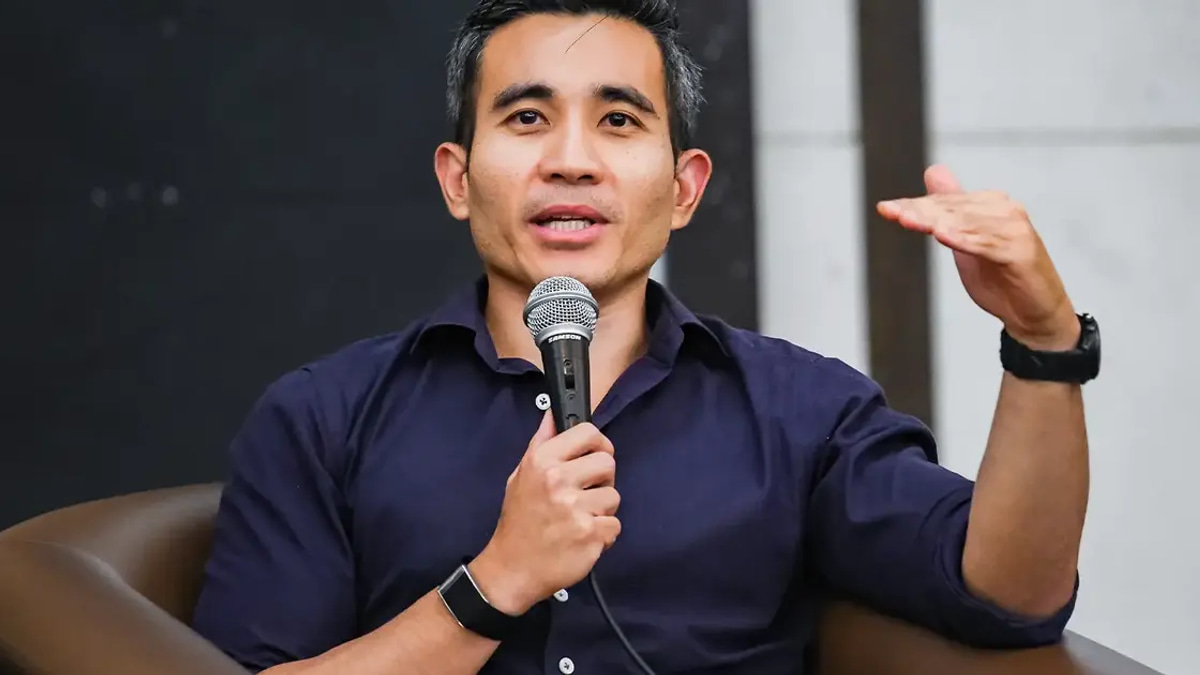
During a three-day working visit to Melaka from June 19 to 21, Minister Sim actively engaged with the entrepreneurial community at the Hebatkan Perniagaan Malaysia Carnival (KHPM), a government-sponsored initiative designed to showcase success stories and connect business owners with financing opportunities and mentoring resources. At Malim Food Town, a prominent commercial hub, the minister participated in a meet-and-greet with approximately 50 TEKUN Nasional entrepreneurs, demonstrating the government's commitment to direct, on-ground engagement with business operators. This approach contrasts with purely bureaucratic administration, allowing policymakers to understand real challenges faced by traders and identify bottlenecks in accessing support programmes.
During the walkabout at Malim Food Town, Minister Sim presented nearly RM1 million in fresh financing to 18 entrepreneurs through TEKUN Nasional and SME Corp Malaysia. The recipients represented a cross-section of the local economy—food and beverage operators, wholesalers, professional service providers, construction contractors, retailers, online merchants, automotive businesses, and service sector entrepreneurs. This diversity reflects KUSKOP's inclusive approach to financing, recognizing that growth opportunities exist across multiple industries and business models. For Malaysian entrepreneurs navigating a competitive landscape, access to such targeted capital represents the difference between stagnation and expansion.
When extrapolated to the national level, the scale of KUSKOP's intervention becomes even more impressive. In the first five months of 2024, the ministry approved RM5 billion in financing nationwide, benefiting nearly 180,000 entrepreneurs across all states. These figures demonstrate that Melaka's nearly RM100 million represents approximately 2 per cent of national disbursements, proportional to its economic size and entrepreneurial population. The cumulative effect of this capital deployment is substantial: RM5 billion circulating through supply chains, wage payments, and local procurement creates demand for goods and services throughout the economy.
Looking forward, the ministry has established an ambitious target through its PowerUp10K initiative, aiming to channel RM15 billion in total financing to microenterprises and small-to-medium enterprises nationwide during 2024. This represents a 200 per cent increase from the RM5 billion already deployed in the first five months, suggesting the ministry intends to significantly accelerate disbursement rates in coming months. For entrepreneurs awaiting approval, this signals that application pipelines are being prioritized and that processing timelines may improve as the year progresses. The scale of ambition also indicates the government's confidence in the demand for such financing and its belief that capital availability, rather than business quality, remains a primary constraint on MSME growth.
Minister Sim also touched on Malaysia's competitive advantages in attracting both foreign investment and supporting local business expansion. The country's multicultural society, linguistic diversity, and cultural richness create advantages often overlooked in purely economic analysis. These characteristics enable Malaysian companies to navigate Asian markets more effectively, attract talent with international exposure, and develop products and services with cross-cultural appeal. For entrepreneurs receiving KUSKOP financing, this broader context matters: they are not simply growing businesses in isolation but participating in an economy with structural advantages for regional expansion and cross-border trade.
The emphasis on ensuring financing reaches the market reflects an important macroeconomic principle: capital sitting in government coffers generates no economic activity, but capital actively deployed through businesses generates employment, tax revenue, and consumer spending. By pushing financing toward entrepreneurs rather than hoarding funds for future uncertainties, KUSKOP is making a deliberate choice about how government resources contribute to economic growth. This approach assumes that vetted entrepreneurs represent sound investments and that failure rates, though likely not zero, are outweighed by the economic benefits generated by successful expansion.
For Melaka specifically, the concentration of RM100 million across 4,300 entrepreneurs suggests an average financing amount of approximately RM23,000 per recipient. While this may seem modest, such sums are often sufficient for microenterprises to purchase additional equipment, upgrade retail spaces, expand inventory, or undertake marketing initiatives that would otherwise require years of savings to achieve. In a state where many entrepreneurs operate on tight margins, such infusions of capital can represent transformative opportunities for business development and formalization.
The financing initiative also carries implicit recognition that traditional banking sector lending often underserves microenterprises, particularly those with limited collateral or formal accounting systems. TEKUN Nasional and SME Corp Malaysia, the disbursing agencies, are designed to operate with criteria more flexible than commercial banks while maintaining reasonable due diligence standards. This intermediary role is critical for broadening access to capital beyond the handful of entrepreneurs who can satisfy strict banking requirements, thereby addressing a market failure that would otherwise constrain economic dynamism.
Moving forward, the success of KUSKOP's initiatives will depend not only on capital deployment but on complementary support services: business mentoring, market information, technology access, and supply chain integration. Many entrepreneurs receiving financing are simultaneously navigating digital transformation, regulatory compliance, and talent recruitment—challenges that cannot be solved through financing alone. Government agencies and private sector partners must therefore coordinate to ensure that capital access forms one component of a comprehensive ecosystem supporting entrepreneurial growth.
For Malaysian readers and regional observers, the scale of KUSKOP's financing activity indicates that Southeast Asia's largest Muslim-majority economy continues to prioritize grassroots economic inclusion and MSME development. This commitment reflects both economic pragmatism—small businesses create most employment—and political necessity, as entrepreneurs form an influential voting bloc. Regardless of motivations, the result is a significant pool of capital available to businesses across Melaka and beyond, supporting economic resilience and opportunity creation in communities often overlooked by national media coverage.

%22%2F%3E%3C%2Fpattern%3E%3C%2Fdefs%3E%3Crect%20width%3D%22100%25%22%20height%3D%22100%25%22%20fill%3D%22url(%23ph5fxjxg)%22%2F%3E%3Crect%20width%3D%22100%25%22%20height%3D%22100%25%22%20fill%3D%22url(%23ph5fxjxp)%22%2F%3E%3Ctext%20x%3D%2250%25%22%20y%3D%2250%25%22%20text-anchor%3D%22middle%22%20dominant-baseline%3D%22central%22%20fill%3D%22rgba(255%2C255%2C255%2C0.95)%22%20font-family%3D%22Georgia%2C%20'Times%20New%20Roman'%2C%20serif%22%20font-weight%3D%22700%22%20font-size%3D%22170%22%20letter-spacing%3D%22-0.02em%22%3EMalaysia%3C%2Ftext%3E%3C%2Fsvg%3E)