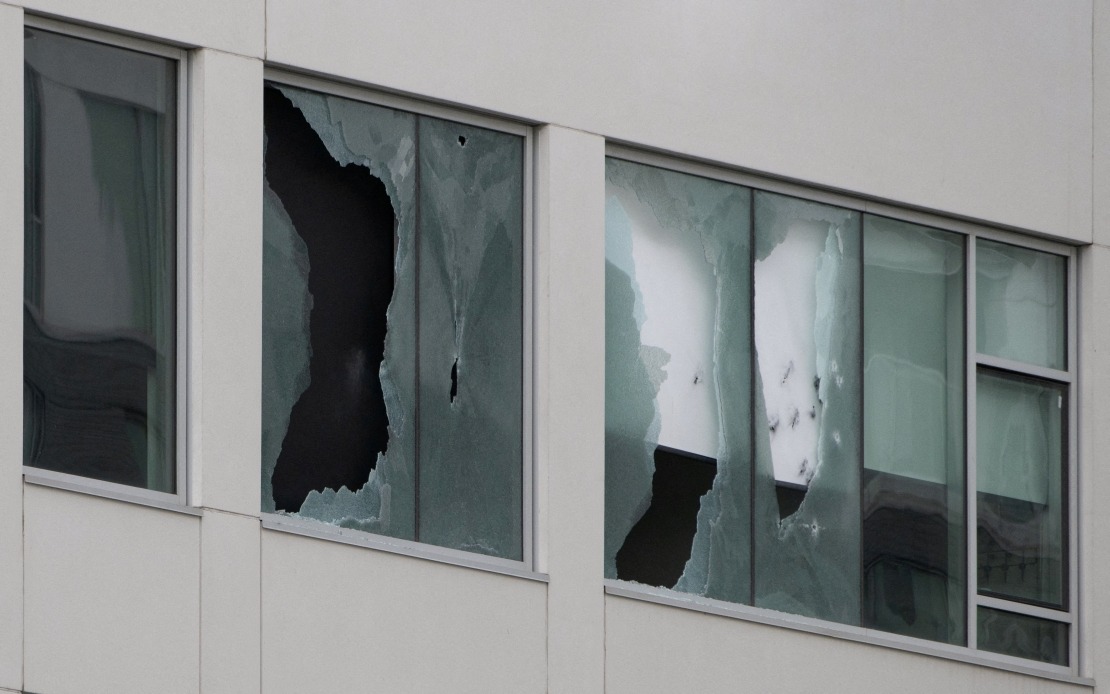
A tragic incident unfolded in Montreal on Monday when gunfire in a residential neighbourhood claimed the lives of three individuals, including an officer from the Montreal police service who was shot while responding to the emergency. The incident has shaken Canada's second-largest metropolitan area and renewed concerns about public safety and armed violence in urban centres across North America.
Montreal police announced the death of the officer through social media, describing the loss with deep regret whilst confirming that the on-duty officer had been fatally wounded during the operational response. Beyond the fallen police officer, a civilian resident in the affected area was also killed, along with the gunman whose identity remains subject to ongoing investigation. The unfolding of events throughout the day saw additional injuries, with two people wounded during the encounter, though one of the injured officers was reported to have escaped life-threatening conditions as medical treatment progressed.
Montreal police chief Fady Dagher briefed reporters on the operational details, explaining that law enforcement personnel came under fire upon arriving at the scene in the Côte-des-Neiges neighbourhood. The suspect was subsequently "neutralised" by responding officers, bringing the immediate threat to an end. Initial investigations have led authorities to conclude that the perpetrator was acting in isolation, with no indication of accomplices or coordinated planning. The emergency alert that had prompted residents to remain indoors and secure their premises was later lifted as the situation stabilised.
From a security perspective, investigators moved swiftly to rule out any connection to organised terrorism or ideologically motivated extremism in the conventional sense. The thorough assessment by Canadian security authorities found no evidence pointing toward terrorist networks or international extremist organisations. However, media outlets reported that the suspected shooter may have left behind written materials expressing hateful sentiments, with reports suggesting possible alignment with so-called incel ideology—a fringe online movement rooted in misogynistic worldviews that rejects feminist principles and advocates for rigid, traditional gender hierarchies.
The incel movement, which has garnered increasing scrutiny from law enforcement and security analysts across North America, represents a concerning intersection of online radicalisation and real-world violence. Members of these communities typically congregate on internet forums to express grievances against women and those they perceive as rivals, occasionally escalating rhetoric to include calls for violence. Several high-profile attacks in recent years have been attributed to individuals with documented involvement or sympathy toward incel philosophy, making the alleged connection in this Montreal case a focal point for investigators and community observers alike.
At the time of the shooting, Montreal police had issued an urgent appeal describing an armed suspect considered dangerous and urged members of the public within the Côte-des-Neiges area to exercise caution. Residents received notifications to remain sheltered indoors and to lock their doors as a precautionary measure whilst law enforcement conducted their response. The neighbourhood, located in central Montreal, temporarily became a restricted area as police cordoned off the immediate vicinity and secured the scene for forensic examination and evidence collection.
The incident raises broader questions about the prevalence of armed violence in Canadian cities and the emerging threat posed by online radicalisation movements that harbour anti-social ideologies. Whilst gun violence in Canada occurs at substantially lower rates compared to the United States, incidents involving firearms remain a public concern, particularly when they result in the loss of law enforcement personnel dedicated to protecting communities. The death of a uniformed officer whilst responding to a call of duty underscores the inherent risks that police personnel face in their professional roles.
For Malaysia and Southeast Asia, this incident offers cautionary perspective on global trends in online extremism. The incel movement, though predominantly Western in origin, has begun establishing footholds in Asian online communities, with reports of incel forums and content appearing in regional languages and platforms. Malaysian authorities and counterparts across the region have increasingly monitored such spaces, recognising that ideological movements centred on misogyny and violence can transcend geographical boundaries in the digital age.
The Montreal shooting also underscores the importance of inter-agency coordination in responding to armed threats. Canadian law enforcement's ability to neutralise the threat whilst simultaneously limiting collateral casualties—despite the tragic loss of life—demonstrates the value of training, preparedness, and swift operational decision-making. Regional security agencies in Southeast Asia continue to refine their own protocols for active shooter scenarios, drawing lessons from incidents across North America, Europe, and elsewhere.
As the investigation progresses, Canadian authorities will likely examine the alleged manifesto in detail to determine the shooter's precise motivations and whether any warning signs or concerning online activity had been documented previously. Such post-incident analysis contributes to the growing body of knowledge about how radicalised individuals plan and execute attacks, information that informs prevention strategies and community awareness campaigns. The Montreal police department and broader Canadian law enforcement community will undoubtedly conduct thorough reviews to assess whether procedural improvements can enhance officer safety and response effectiveness in future encounters.
The loss of a police officer in the line of duty has prompted expressions of solidarity from law enforcement communities across North America and internationally. In Malaysia, where police casualties are treated with significant ceremonial respect and public acknowledgement, such incidents abroad often resonate with domestic forces. The incident serves as a reminder of the dangers inherent in law enforcement work and the importance of community support for those who dedicate their lives to public service.