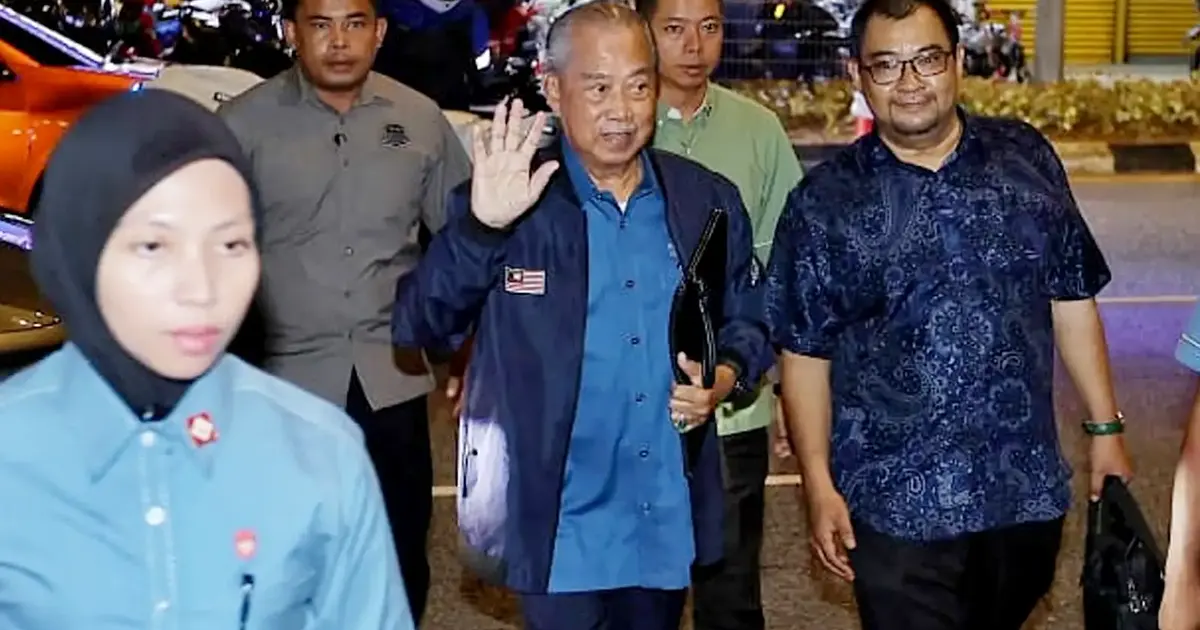
Datuk Seri Muhyiddin Yassin assembled senior Perikatan Nasional figures for an urgent closed-door session tonight to navigate the fallout from PAS's dramatic decision to withdraw from its partnership with Bersatu, marking a significant rupture within the opposition coalition that has dominated Malaysian politics over the past five years. The impromptu gathering underscores mounting tensions simmering beneath the surface of the three-party alliance, which has faced persistent friction between its ideological wings and competing electoral interests since its formation following the 2020 general election.
The severance of ties between PAS and Bersatu represents more than a routine realignment of political partnerships. It signals a fundamental recalibration of power dynamics within Perikatan Nasional, which has positioned itself as a counterweight to the Pakatan Harapan-led federal government. PAS, as the largest component party by membership and electoral presence in rural constituencies, holds disproportionate influence over the coalition's strategic direction. Its departure forces a reconsideration of the bloc's viability as a cohesive political force capable of challenging the government in the next national election.
Bersatu's position has grown increasingly precarious within the broader opposition landscape. The party, led by Muhyiddin, emerged from the 2023 general election with eight parliamentary seats and has struggled to establish independent political relevance beyond its partnership arrangements. The departure of PAS leaves Bersatu more dependent than ever on UMNO's cooperation and support, fundamentally weakening its negotiating position within Perikatan Nasional. This dynamic threatens to reduce Bersatu to a junior partner with limited leverage over coalition decisions, constraining its ability to secure electoral pacts and policy concessions.
The timing of PAS's withdrawal carries strategic implications for the broader Malaysian political environment. The party's leadership has signalled a preference for independent action and bilateral relationships with other opposition components, potentially opening pathways for negotiation with UMNO or other political entities. This calculated move reflects PAS's confidence in its grassroots organizational capacity and electoral competitiveness in Peninsular Malaysia's northern and eastern regions, where it maintains strong traditional support.
Muhyiddin's decision to convene tonight's emergency meeting demonstrates his commitment to salvaging what remains coherent within Perikatan Nasional. The gathering brings together leaders from all component parties to address immediate operational concerns and longer-term strategic planning. Discussions will inevitably centre on Bersatu's continued role within the coalition framework and whether remaining partnership configurations can sustain mutual political benefits for participating parties.
For Malaysian observers monitoring opposition politics, this development highlights the persistent vulnerability of multi-party coalitions constructed around personalities and electoral calculations rather than cohesive ideological platforms. Perikatan Nasional has always represented an uneasy marriage between conservative Islamic politics championed by PAS, Malay-centric nationalism articulated by UMNO and Bersatu, and broader reformist impulses. These contradictory political philosophies have generated repeated strain points threatening the alliance's stability and effectiveness.
The implications extend beyond immediate coalition mechanics. A fragmented opposition weakens collective capacity to articulate coherent alternative policy agendas and reduces competitive pressure on the federal government. Voters seeking genuine political alternatives may perceive increased political fragmentation as symptomatic of opposition unreliability and strategic confusion. This electoral environment potentially advantages the current ruling coalition, which despite internal challenges maintains greater institutional cohesion and governmental resources.
Regional considerations also matter. In Southeast Asia's competitive political landscape, Malaysian opposition coalitions that cannot maintain internal discipline often fail to translate popular discontent into electoral victory. The examples of Thai and Philippine opposition movements demonstrate how fragmentation allows stronger institutional actors to consolidate power despite governance challenges. Perikatan Nasional's internal instability may discourage international observers from viewing it as a credible future governing alternative.
The emergency meeting tonight will likely produce immediate statements affirming coalition commitment while acknowledging PAS's decision. Substantive discussions about restructuring opposition strategy probably extend beyond tonight's session. Muhyiddin faces the dual challenge of maintaining Bersatu's profile as an independent political force while preserving whatever residual coalition benefits remain. This balancing act grows more difficult as key partners recalibrate their political calculations.
Looking forward, the opposition landscape will depend heavily on how PAS, Bersatu, and UMNO navigate the post-Perikatan Nasional environment. Bilateral negotiations may emerge, creating shifting alignments based on electoral geography and constituency-level arrangements rather than comprehensive coalition frameworks. Such fragmentation mirrors broader global trends where traditional multi-party opposition blocs fracture into loosely coordinated competing factions. Malaysia's political future will increasingly reflect these transformation dynamics as established coalitions adjust to new realities.