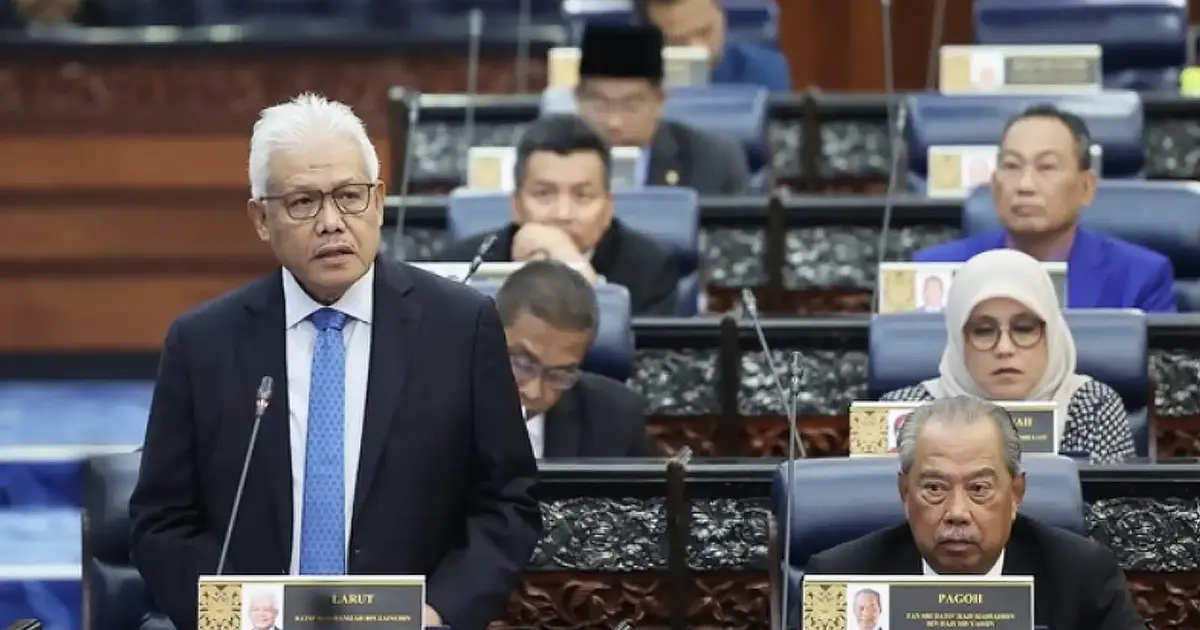
Dewan Rakyat Speaker Johari Abdul has revealed that former Prime Minister Ismail Sabri Yaakob, who represents Bera, requested a change of seating arrangements within the lower house of parliament. The speaker made this disclosure whilst confirming that documentation received from the opposition bloc formally identifies Larut MP Hamzah Zainudin as the leader of the parliamentary opposition.
The request for seating reassignment, though seemingly procedural, carries symbolic weight within Malaysia's legislative chamber. Parliamentary seating arrangements carry historical and political significance, as positions within the Dewan Rakyat often reflect both party standings and individual stature among lawmakers. The speaker's confirmation that such a request was made suggests shifting dynamics within the political landscape as various factions continue to reposition themselves following recent parliamentary developments.
Muhyiddin's specific reasons for seeking a seating change remain undisclosed, though observers suggest such moves typically reflect changes in factional alignment or strategic repositioning within coalition arrangements. Given the fluidity of Malaysian politics in recent years, where coalition compositions have shifted significantly, such seemingly administrative matters often signal deeper political realignments among senior figures and their respective support bases.
The formal recognition of Hamzah Zainudin as opposition leader, documented through official correspondence received by Speaker Johari, represents a key procedural development. This acknowledgement carries constitutional importance, as the opposition leader status carries defined privileges within parliament, including designated speaking time, access to parliamentary committees, and formal recognition in legislative proceedings. The formal nature of this appointment through written documentation underscores the institutional significance of the designation.
Hamzah Zainudin's elevation to opposition leadership occurs against the backdrop of ongoing political negotiations and coalition adjustments that have characterised Malaysian politics. His tenure as Larut MP provides him with parliamentary experience, though the broader composition of the opposition alliance behind his leadership remains a subject of political interest. The timing of this formal recognition coincides with various legislative priorities and policy debates within the current parliamentary session.
Speaker Johari Abdul's public disclosure of both matters reflects the increasing transparency around procedural parliamentary developments, where previously such matters might have remained within internal legislative channels. This openness allows Malaysian political observers and citizens to track shifts in parliamentary dynamics and leadership structures more directly. The speaker's role as custodian of parliamentary procedures and norms positions such statements as officially sanctioned clarifications of parliamentary developments.
For Malaysian lawmakers and political observers, these developments signal the continued restructuring of opposition political forces. The formalization of opposition leadership through parliamentary channels represents an important institutional anchor for whatever opposition coalition has coalesced around Hamzah's leadership. This structural clarity becomes essential as the opposition seeks to coordinate legislative strategy, shadow government activities, and provide parliamentary scrutiny of government initiatives.
The significance of these announcements extends beyond mere parliamentary housekeeping. Seating changes and leadership recognitions within the Dewan Rakyat reflect fundamental shifts in how elected representatives position themselves within Malaysia's political ecosystem. Such developments often precede or coincide with broader political announcements regarding coalition formations, policy platforms, or strategic parliamentary initiatives. The dual nature of Speaker Johari's confirmation suggests a period of active repositioning among parliamentary actors.
Regional observers monitoring Malaysian politics have long noted how parliamentary procedures and institutional arrangements often presage larger political shifts. The recognition of Hamzah Zainudin's opposition leadership at this particular juncture may signal consolidation of opposition forces, potentially ahead of future parliamentary sessions where critical legislation or confidence matters might be tested. The opposition's institutional clarity through formal recognition of leadership becomes increasingly important in a parliament where governing coalitions have demonstrated fragility.
Looking forward, the clarity provided through these procedural confirmations allows all parliamentary stakeholders to understand the formal configuration of legislative forces. For Malaysian businesses, civil society, and ordinary citizens following parliamentary developments, such institutional landmarks provide reference points for understanding how opposition and government forces are arrayed as they engage with legislation affecting national policy, economic initiatives, and governance priorities. The speaker's transparent communication of these arrangements contributes to institutional accountability and public understanding of parliamentary operations.

%22%2F%3E%3C%2Fpattern%3E%3C%2Fdefs%3E%3Crect%20width%3D%22100%25%22%20height%3D%22100%25%22%20fill%3D%22url(%23ph5fxjxg)%22%2F%3E%3Crect%20width%3D%22100%25%22%20height%3D%22100%25%22%20fill%3D%22url(%23ph5fxjxp)%22%2F%3E%3Ctext%20x%3D%2250%25%22%20y%3D%2250%25%22%20text-anchor%3D%22middle%22%20dominant-baseline%3D%22central%22%20fill%3D%22rgba(255%2C255%2C255%2C0.95)%22%20font-family%3D%22Georgia%2C%20'Times%20New%20Roman'%2C%20serif%22%20font-weight%3D%22700%22%20font-size%3D%22170%22%20letter-spacing%3D%22-0.02em%22%3EMalaysia%3C%2Ftext%3E%3C%2Fsvg%3E)