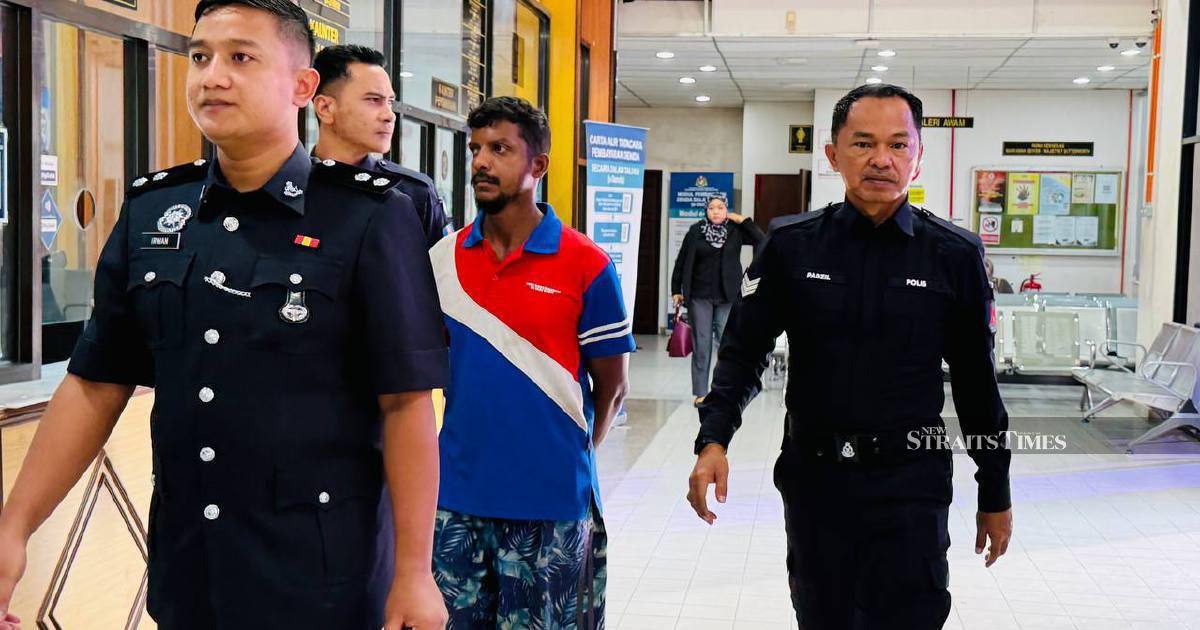
A Myanmar citizen faced serious assault charges in the Butterworth Sessions Court, with magistrates declining to grant bail as authorities work to verify the defendant's personal identification. The case underscores ongoing challenges Malaysian law enforcement encounters when processing foreign nationals through the criminal justice system, particularly those without readily available documentation.
The alleged incident involving the Myanmar national and his compatriot occurred during the previous week, culminating in formal charges of causing grievous hurt being brought before the court. The severity of the charge reflects the injury sustained by the victim, as grievous hurt charges in Malaysian law require demonstration of damage affecting bodily function or health in a meaningful way. Prosecutors presented evidence sufficient to establish probable cause, leading the court to proceed with formal proceedings against the accused.
The decision to withhold bail represents a cautious approach by the judiciary when dealing with cases involving foreign nationals lacking established identification credentials. Courts routinely consider factors including community ties, flight risk, and verified identity when determining bail eligibility. In this instance, the absence of validated identification documents created uncertainty regarding the defendant's background and stability within Malaysian jurisdiction, justifying the court's conservative stance on release conditions.
Myanmar nationals represent a significant portion of foreign workers and migrants within Malaysia, with border proximity and established migration corridors facilitating movement between the two countries. This demographic reality means Malaysian courts frequently encounter cases involving Myanmar citizens, creating recurring procedural challenges around documentation verification and identity confirmation. When defendants lack proper identification credentials, courts face genuine obstacles in assessing whether they pose flight risks or present community safety concerns.
The identification documentation requirement reflects standard international practice in criminal proceedings. Malaysian authorities routinely request passport information, travel documents, or government-issued identification when processing foreign nationals. These documents serve multiple purposes: confirming genuine identity, establishing previous criminal histories through international databases, and determining whether the person legally entered and remains in Malaysia under appropriate visa conditions. Absent such documentation, courts operate with incomplete information, justifying restrictive bail decisions.
The case highlights the vulnerability of migrant populations navigating unfamiliar legal systems while facing serious criminal allegations. Many Myanmar nationals in Malaysia work in informal sectors where documentation expectations differ from formal employment environments. Language barriers, unfamiliarity with Malaysian legal procedures, and limited access to legal representation compound challenges facing the accused in establishing bail eligibility. The inability to produce identification documents may reflect their circumstances rather than culpability for the alleged offence.
For Malaysian law enforcement, cases involving foreign nationals require coordination with multiple agencies. Immigration authorities must verify whether the defendant entered Malaysia legally and holds appropriate work permits or visa status. The Butterworth court's approach reflects best practice whereby criminal proceedings proceed in parallel with immigration status verification rather than allowing one process to entirely delay the other. This dual-track approach ensures criminal justice proceeds while identity questions are systematically resolved.
The grievous hurt charge carries substantial potential penalties under Malaysian law. Conviction could result in imprisonment, fine, or both, depending on aggravating circumstances and the defendant's prior record. Such outcomes can reverberate through migrant communities, as individuals facing serious criminal convictions may become deported following sentence completion. For Myanmar nationals in particular, deportation following criminal conviction creates cascading challenges given limited governmental support structures in Myanmar and potential persecution risks for certain populations.
The court's remand decision means the defendant will remain in custody while authorities undertake identification verification procedures. This period allows prosecutors to gather evidence, interview witnesses, and establish facts supporting the grievous hurt allegation. Simultaneously, identification documents can be requested through official channels, potentially involving Myanmar's embassy or consular offices in Malaysia. The timeline for such verification remains uncertain, occasionally extending proceedings beyond standard periods.
From a regional perspective, this case reflects broader challenges facing Southeast Asian countries managing cross-border migration while maintaining judicial efficiency and fairness. Myanmar, Thailand, Cambodia, and other nations in the region grapple with similar issues when their nationals become embroiled in foreign legal proceedings. Harmonizing procedures and establishing clearer protocols for identity verification could streamline justice while protecting migrant rights.
The Butterworth Sessions Court decision demonstrates how practical constraints shape judicial outcomes in international criminal cases. While bail decisions ostensibly reflect legal principles regarding community protection and flight risk, practical realities around documentation frequently determine actual outcomes. Malaysian courts must balance fair treatment for foreign defendants against legitimate institutional concerns regarding identity confirmation and case management efficiency. As migrant populations continue growing throughout Malaysia's labour force, refinements to these procedures may benefit both justice administration and vulnerable foreign workers.