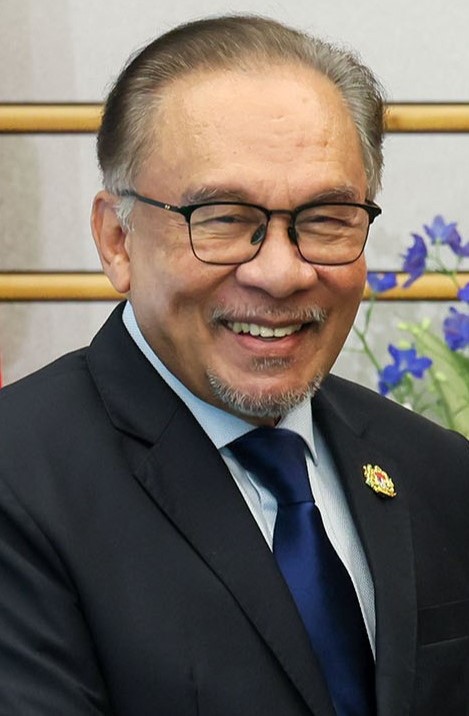
Retired military officer Captain Najib Lep is stepping back into active politics for the Johor state election, marking a significant shift in his political allegiances as he now contests under the Pakatan Harapan banner. The move represents another chapter in an evolving political trajectory that has seen the former Bukit Pasir assemblyman navigate between different political coalitions seeking to strengthen their base ahead of the anticipated state polls.
The return of Najib Lep to electoral politics underscores the dynamic nature of Malaysian political realignments, particularly as major coalitions prepare for the Johor contest. His decision to contest under Pakatan Harapan signals both his personal reassessment of political direction and potentially reflects broader strategic calculations by the opposition coalition to field experienced candidates in key constituencies. The Muar area, where Najib Lep previously held office, remains an important battleground in Johor politics, and his candidacy could influence voter sentiment in the region.
Najib Lep's previous tenure as Bukit Pasir assemblyman established him as a recognisable figure in local politics. His background as a retired military officer brought a certain credibility and public service orientation that resonated with constituents seeking representation grounded in discipline and institutional experience. The trajectory from his initial entry into electoral politics through PAS, followed by a transition to UMNO, reflects the pragmatic approach many Malaysian politicians adopt in seeking the platform they believe offers the best prospects for election and legislative influence.
The shift from UMNO to Pakatan Harapan represents a notable ideological or strategic repositioning. UMNO, as the dominant Malay-Muslim party that anchored Malaysia's political establishment for decades, typically attracts candidates focused on Bumiputera interests and traditional governance frameworks. By contrast, Pakatan Harapan represents a broader coalition encompassing diverse political voices, from the Democratic Action Party's multi-ethnic base to Amanah's focus on progressive Islamic governance. Najib Lep's decision to contest under this banner suggests either a personal evolution in political philosophy or a pragmatic assessment of electoral viability in the current political climate.
The competitive landscape in Johor politics has intensified significantly in recent years. The state historically served as a UMNO stronghold, but the 2022 national elections demonstrated that no region remains politically monolithic. The emergence of multiple viable coalitions—UMNO-aligned Barisan Nasional, the increasingly assertive Perikatan Nasional, and the resurgent Pakatan Harapan—has fragmented voter loyalties and created openings for individual candidates with credible track records. Najib Lep's experience and name recognition in Muar could prove valuable in attracting swing voters unmoored from strict party loyalty.
For Pakatan Harapan, recruiting candidates with military or civil service backgrounds serves strategic purposes beyond mere candidate selection. Such figures often command respect in constituencies where institutional stability and meritocratic governance matter to voters. They can also help counter narratives that opposition coalitions lack administrative experience or credibility in managing state resources. The engagement of retired military officers strengthens Pakatan Harapan's appeal to demographic groups traditionally aligned with more conservative, security-minded political positions.
The timing of Najib Lep's return also reflects the intensity with which all coalitions are preparing for state-level contests. The Johor election, whenever held, will attract significant national attention and resources. Larger coalitions vie to demonstrate strength and expand their footprint in traditionally competitive states. By recruiting experienced local politicians back into active contention, Pakatan Harapan signals serious intent to contest every viable constituency and mount a comprehensive challenge to entrenched power structures.
Najib Lep's career illustrates how Malaysian politics accommodates multiple power centres and shifting allegiances. Unlike more rigid two-party systems, Malaysia's multi-coalition landscape permits politicians to reassess their political homes based on changed circumstances, evolving policy preferences, or shifting calculations about electoral prospects. This fluidity generates both dynamism and uncertainty—voters must continuously reassess which parties and figures genuinely represent their interests, while coalitions must work harder to build stable electoral coalitions.
For voters in Bukit Pasir and surrounding Muar constituencies, Najib Lep's reappearance invites reflection on how effectively different coalitions address local concerns. Those who supported him under PAS or UMNO must now evaluate whether Pakatan Harapan's platform better serves regional interests. The candidate's military background and prior legislative experience provide a foundation for his campaign, but success will depend on whether voters believe he has effectively represented their interests previously and whether they trust Pakatan Harapan's broader agenda for Johor's development.
The Johor election, whenever called, will reveal much about the direction of Malaysian politics post-2022. The return of experienced politicians like Najib Lep to active contention suggests that established figures with constituency connections retain value. However, voters increasingly demonstrate willingness to switch allegiances when they perceive better alternatives. Najib Lep's ability to retain previous supporters while attracting new voters under the Pakatan Harapan banner will serve as a barometer for broader coalition performance in the state.
Ultimately, Najib Lep's political comeback reflects the perpetually shifting terrain of Malaysian electoral politics. His progression through multiple parties demonstrates both personal ambition and the reality that political success requires alignment with prevailing winds. Whether this latest repositioning under Pakatan Harapan marks a permanent political home or represents another waypoint in his journey remains to be seen, contingent upon election results and subsequent political developments. His candidacy adds another layer of complexity to what promises to be a fiercely contested Johor election.